
10 Places to Spot Sea Lions, Seals and Orcas From Shore Around BC This Winter
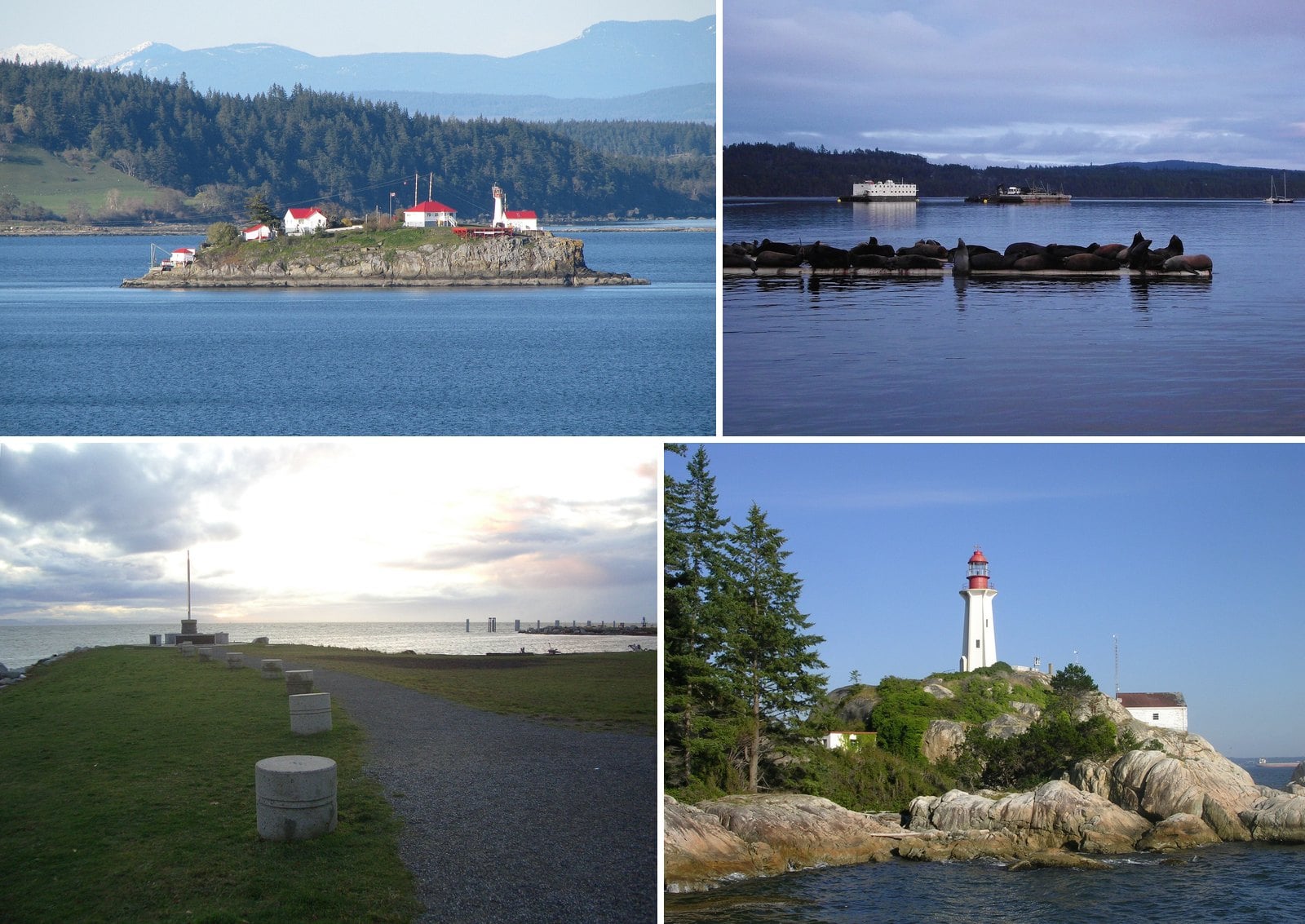
Winter is sea lion season on this coast. A provincial description of Race Rocks says both Steller and California sea lions use the reserve as a winter haul-out. Herring pull them into Baynes Sound later in the season. Harbour seals stay put all year, and they show up at almost every viewpoint below.
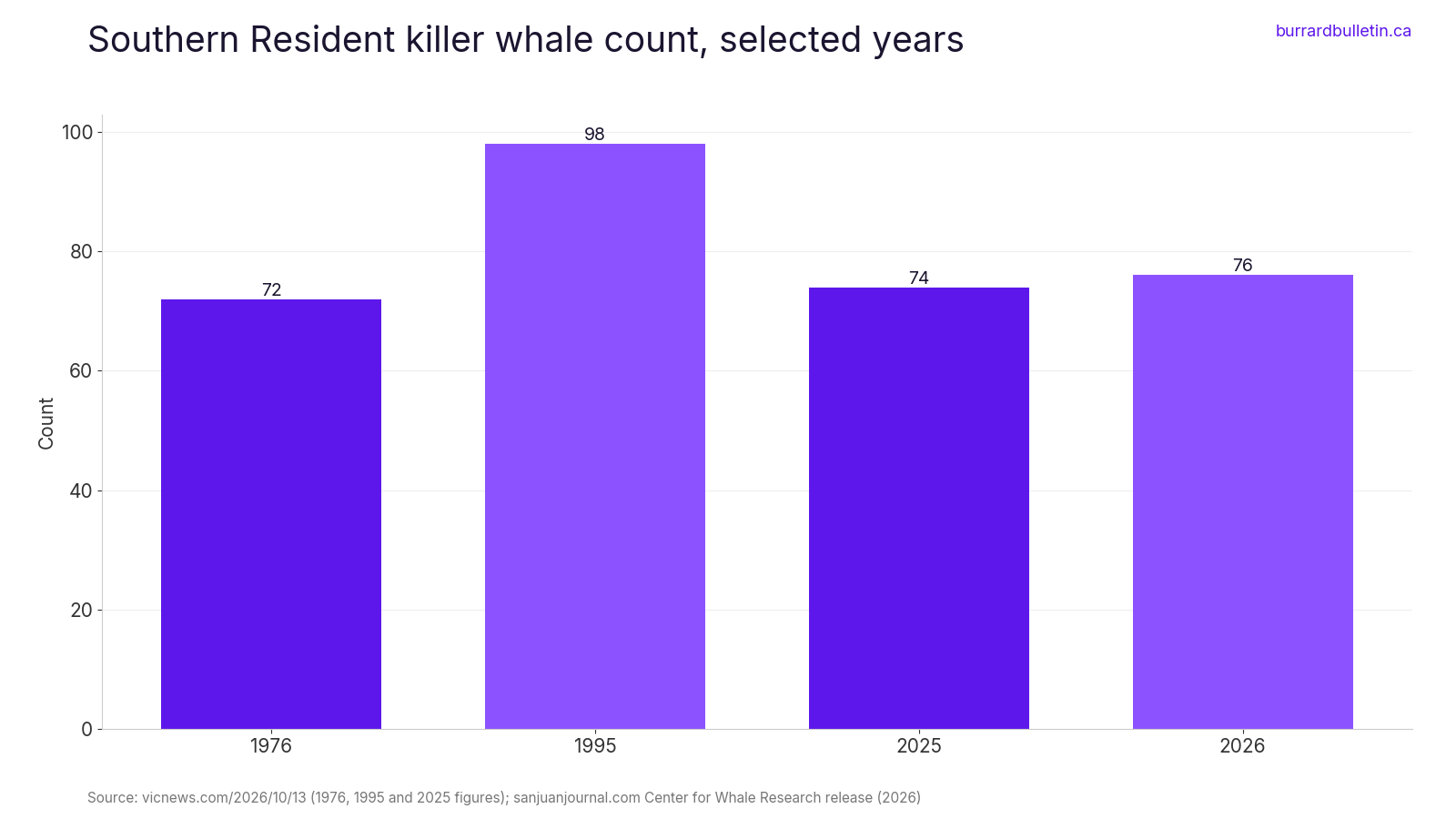
Orcas are the long shot. The 2026 census counted 76 Southern Resident killer whales as of July 1, 2026, two more than the previous count. Parks Canada encourages watching whales from shore instead of from a boat, because shore viewing disturbs endangered whales less. That is the idea behind the Whale Trail sites that turn up on this list.
The spots run from the mouth of the Fraser and the Shore out to Howe Sound, the Gulf Islands, Greater Victoria and the southern tip of Denman Island. Each one comes with what official sources actually say lives there, when to go, what it costs and how to get there. Where something isn’t confirmed, you’ll see that too.
| Spot | Animals named by official sources | Best window | Cost noted |
|---|---|---|---|
| Boyle Point, Denman Island | California and Steller sea lions, seals | Late-winter herring season | No fee listed; ferry fare |
| Fanny Bay, Baynes Sound | California and Steller sea lions (CBC report) | Winter into herring season | Not confirmed |
| Steveston and Garry Point, Richmond | California and Steller sea lions, harbour seals | Cooler months; eulachon peak April and May | Free park |
| Lighthouse Park, West Vancouver | Harbour seals, seabirds; orcas rare | Year-round | Pay parking |
| Whytecliff and Whyte Islet | Seals reported by visitors only | Year-round; low tide for the islet | Pay parking |
| Porteau Cove, Howe Sound | Harbour seals, harbour porpoises, river otters, mink | Year-round; whales spring to fall | Day-use fee not confirmed |
| East Point, Saturna Island | Harbour seals, Bigg’s killer whales | Seals year-round | Ferry fare |
| Georgina Point, Mayne Island | Killer whales possible | Year-round | Ferry fare |
| Fort Rodd Hill, Colwood | Harbour seals, sea lions, passing whales | Winter hours run to Apr. 30 | Adult $10; youth free |
| Race Rocks, off Metchosin | Steller and California sea lions | Fall and early winter | Webcams free |
10. Race Rocks Ecological Reserve (Metchosin)
Where: Strait of Juan de Fuca, off Metchosin, southern Vancouver Island
When: Peak in fall and early winter; counts drop through late winter
Cost: Webcams online; no fee is mentioned
Getting there: Offshore reserve with no official shore viewpoint; watch via the racerocks.ca webcams, or only a very distant view from the Metchosin shore
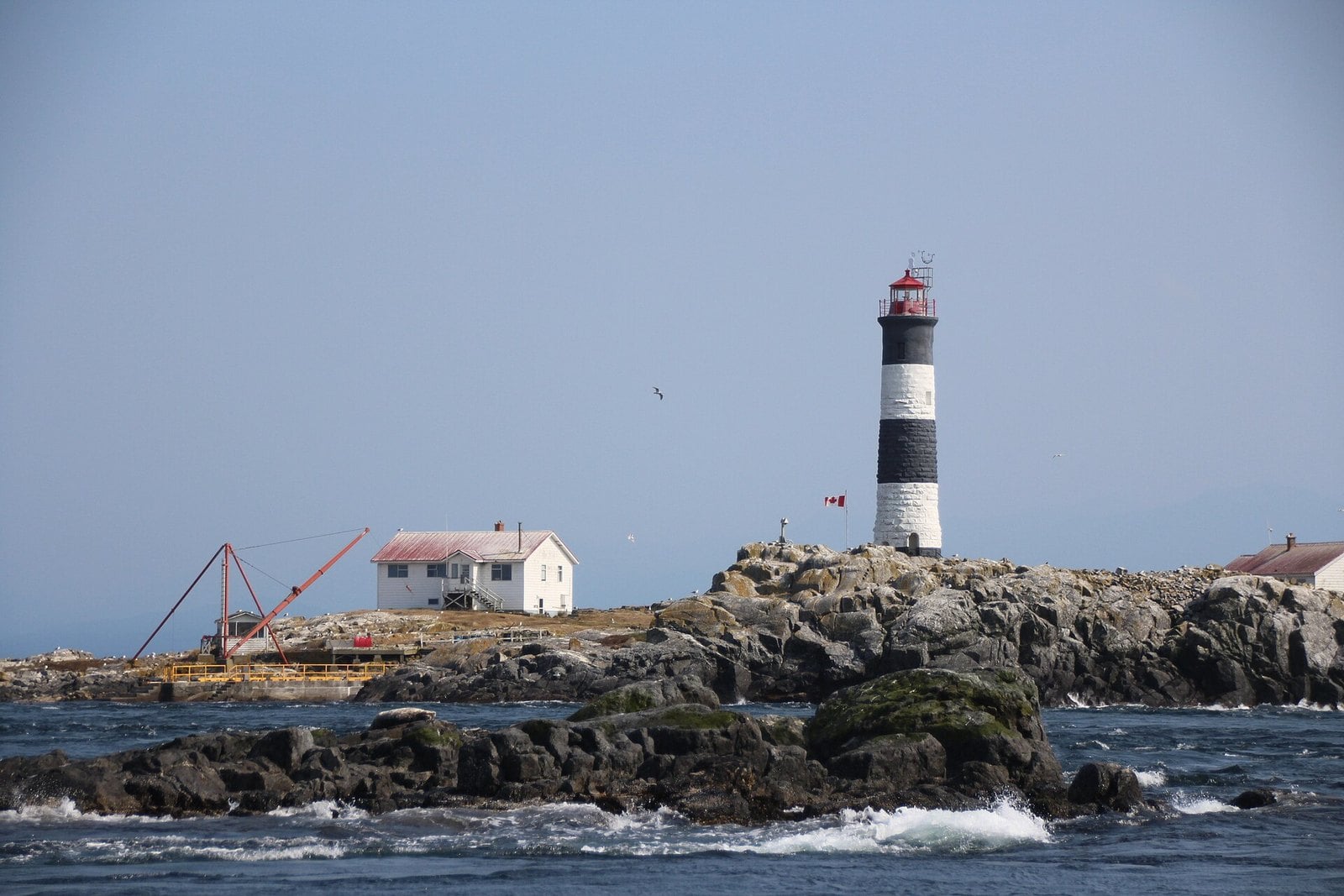
Race Rocks, or XwaYeN, is where the big numbers are. A provincial description says both Steller and California sea lions use the reserve as a winter haul-out. The reserve’s eco-guardians post weekly animal counts. On Nov. 7, 2026, they logged 318 Steller and 223 California sea lions.
The counts swing hard through the year. A July 2026 log entry put the previous year’s high marks at 906 California sea lions on Sept. 19, 2025, and 525 Steller sea lions on Nov. 18, 2025. By March 22, 2026, the Steller count was down to 26.
This is a watch, don’t land spot. No official shore-viewing point was found, so treat it as a webcam visit or a very distant view. The reserve’s website runs remote-control webcams.
Check the latest Saturday count on racerocks.ca before you plan a drive out to the Metchosin and East Sooke shoreline.
9. Georgina Point (Mayne Island)
Where: North tip of Mayne Island, Gulf Islands National Park Reserve
When: Year-round day visits; orcas not guaranteed
Cost: No park fee confirmed; BC Ferries fare
Getting there: BC Ferries to Village Bay, then drive to Georgina Point
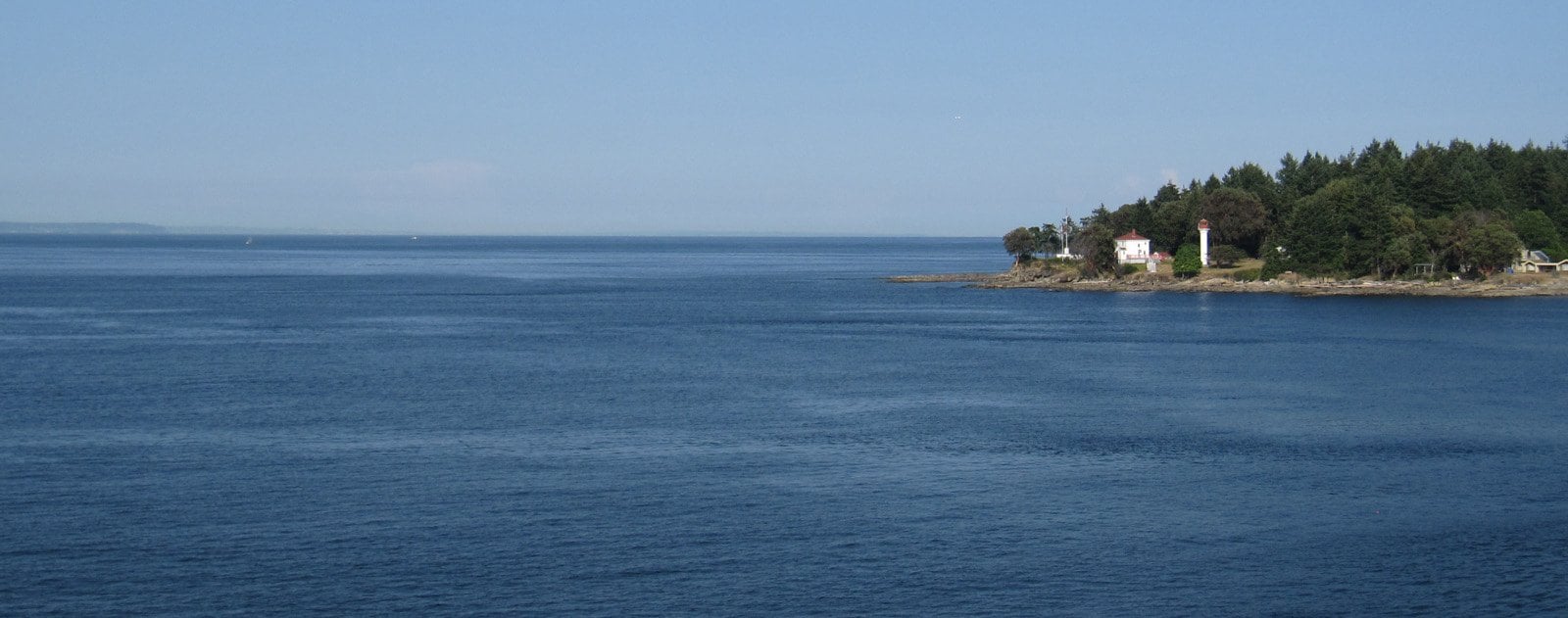
Parks Canada names Georgina Point as one of its two Whale Trail sites in Gulf Islands National Park Reserve where you can look for killer whales. The point sits at the north tip of Mayne Island, beside the Active Pass Lighthouse. It looks straight over Active Pass, where ferries run between the islands.
Official sources say less about seals and sea lions here than at East Point. Reports of them come only from non-official sources. Come for the water, the ships and the chance of a fin.
Take BC Ferries to Village Bay on Mayne, then drive to the point. Time your visit with the ferry schedule. Watching a ship thread Active Pass gives you something to look at while you scan for orcas.
8. Whytecliff Park and Whyte Islet (West Vancouver)
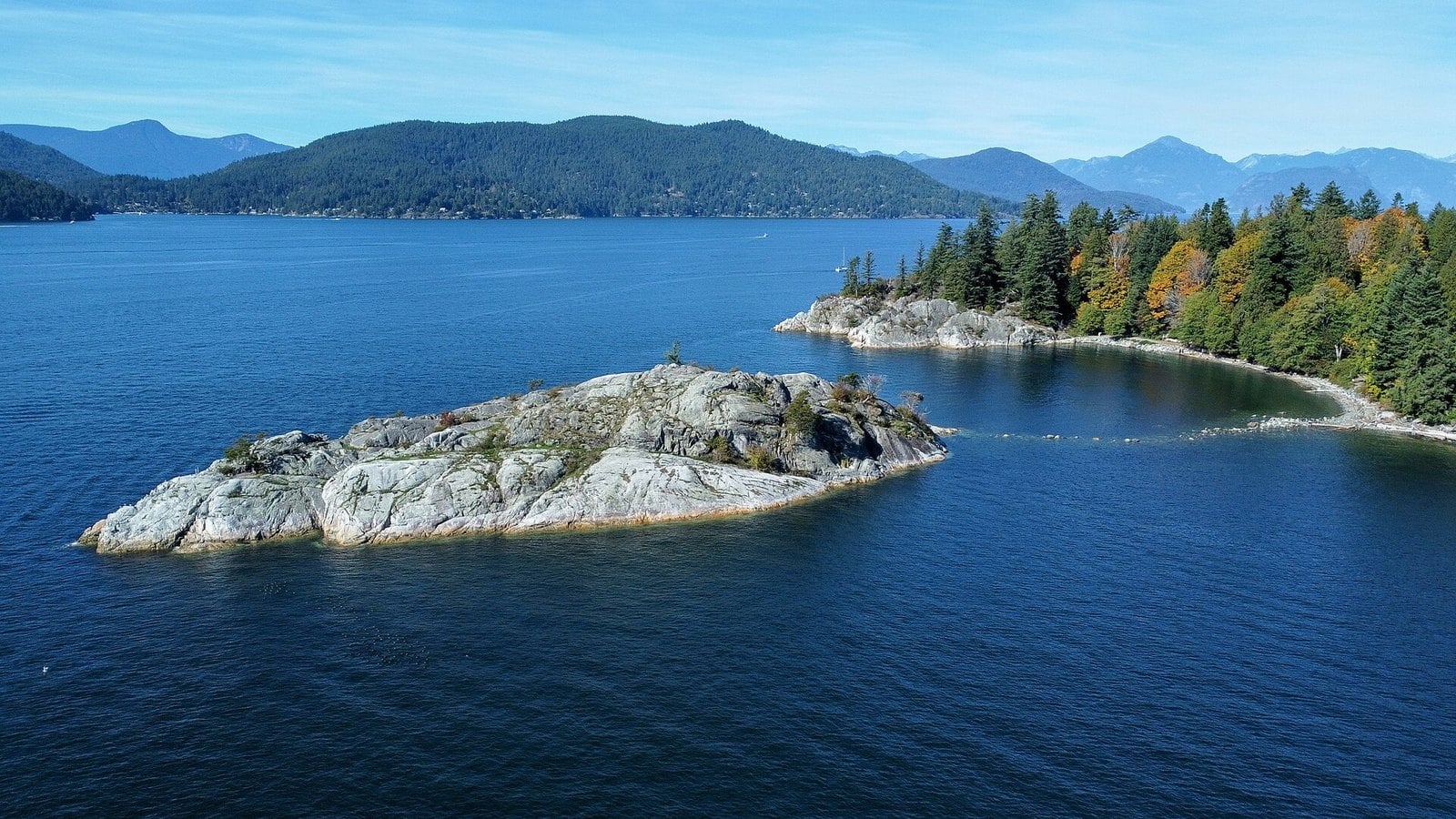
Where: Whytecliff, near Horseshoe Bay, West Vancouver
When: Year-round; cross to Whyte Islet only at low tide
Cost: Pay parking year-round, 7 a.m. to 10 p.m.
Getting there: West end of Marine Drive, just past Horseshoe Bay
Whytecliff has a strong claim to protected-water history. West Vancouver Archives records that in 1993 the waters off the park became Canada’s first saltwater marine protected area. The district bought the land from Union Steamships for $75,000 and dedicated it as a park by bylaw in 1953.
Whyte Islet is technically its own park but works as part of Whytecliff. Visitors widely report harbour seals around the islet. No official page confirms them, so treat seals as likely but unproven.
The tide decides your visit. The rocky path out to Whyte Islet covers over as the water comes in. Only cross at low tide, and check a tide table before you leave home.
The park is at the west end of Marine Drive, just past Horseshoe Bay. Pay parking is in effect year-round, 7 a.m. to 10 p.m.
7. Porteau Cove Provincial Park (Howe Sound)
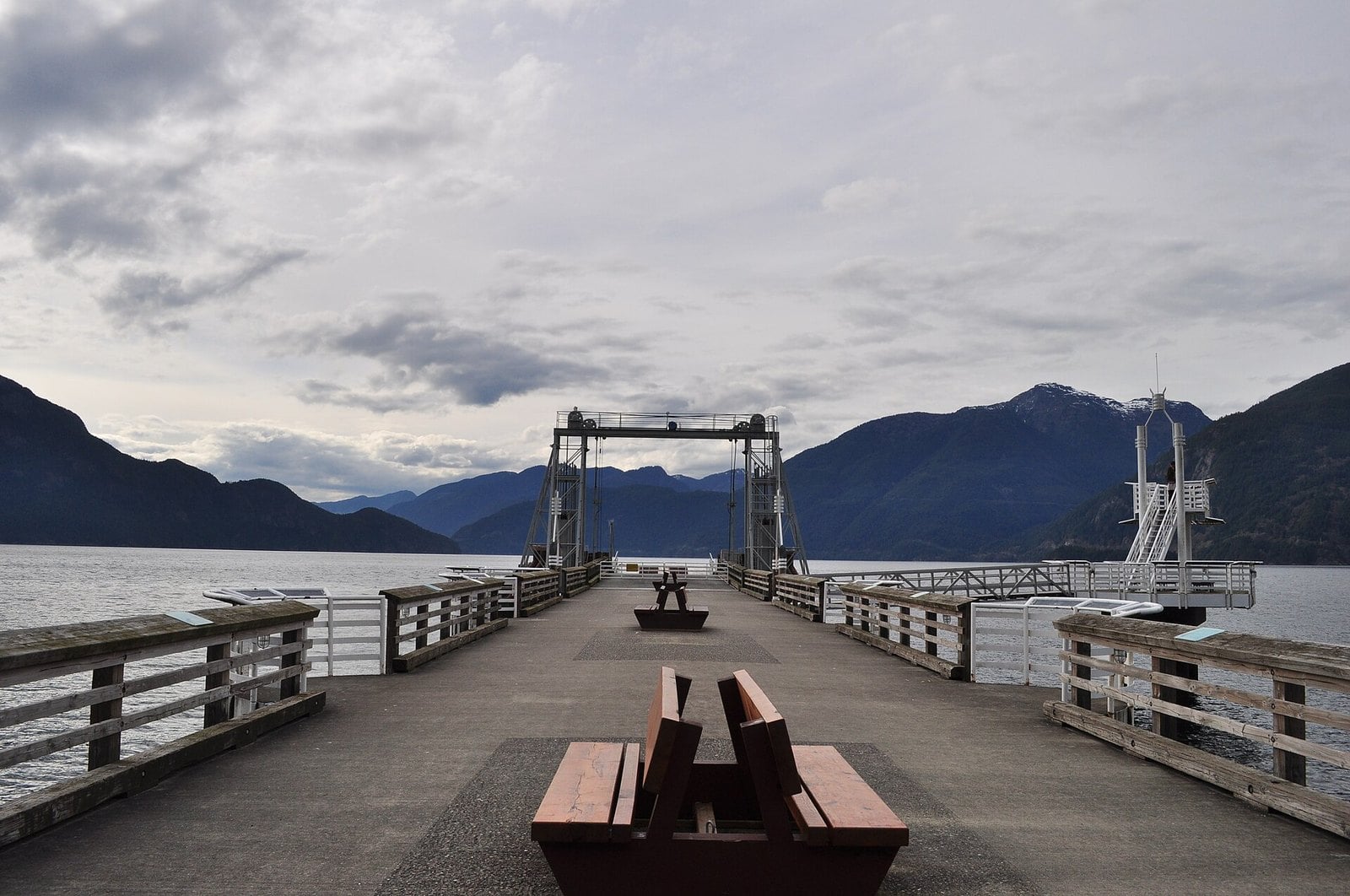
Where: Howe Sound, on the Sea to Sky Highway
When: Year-round for seals and porpoises; whales mainly spring to fall
Cost: Day-use fee not confirmed
Getting there: 38 km north of Vancouver on Hwy 99; 20 km south of Squamish
BC Parks lists good views of waterfowl, harbour seals, harbour porpoises, river otters and mink at Porteau Cove. It also says orcas, gray whales and humpbacks may be seen from spring until fall. In winter, treat whales as a bonus and the seals and porpoises as the reason to stop.
An easy trail of about 300 m leads to a lookout over Porteau Cove and Howe Sound. Expect some rock and wooden steps along the way. Harvesting or harassing marine life is prohibited along the park’s marine foreshore, and beach fires aren’t allowed.
The park sits on the Sea to Sky, 38 km north of Vancouver on Hwy 99. It’s 20 km south of Squamish and 8.5 km south of Britannia Beach. Active train tracks run beside the park, so keep an eye on kids near the crossing.
6. Fanny Bay Wharf Area (Baynes Sound)
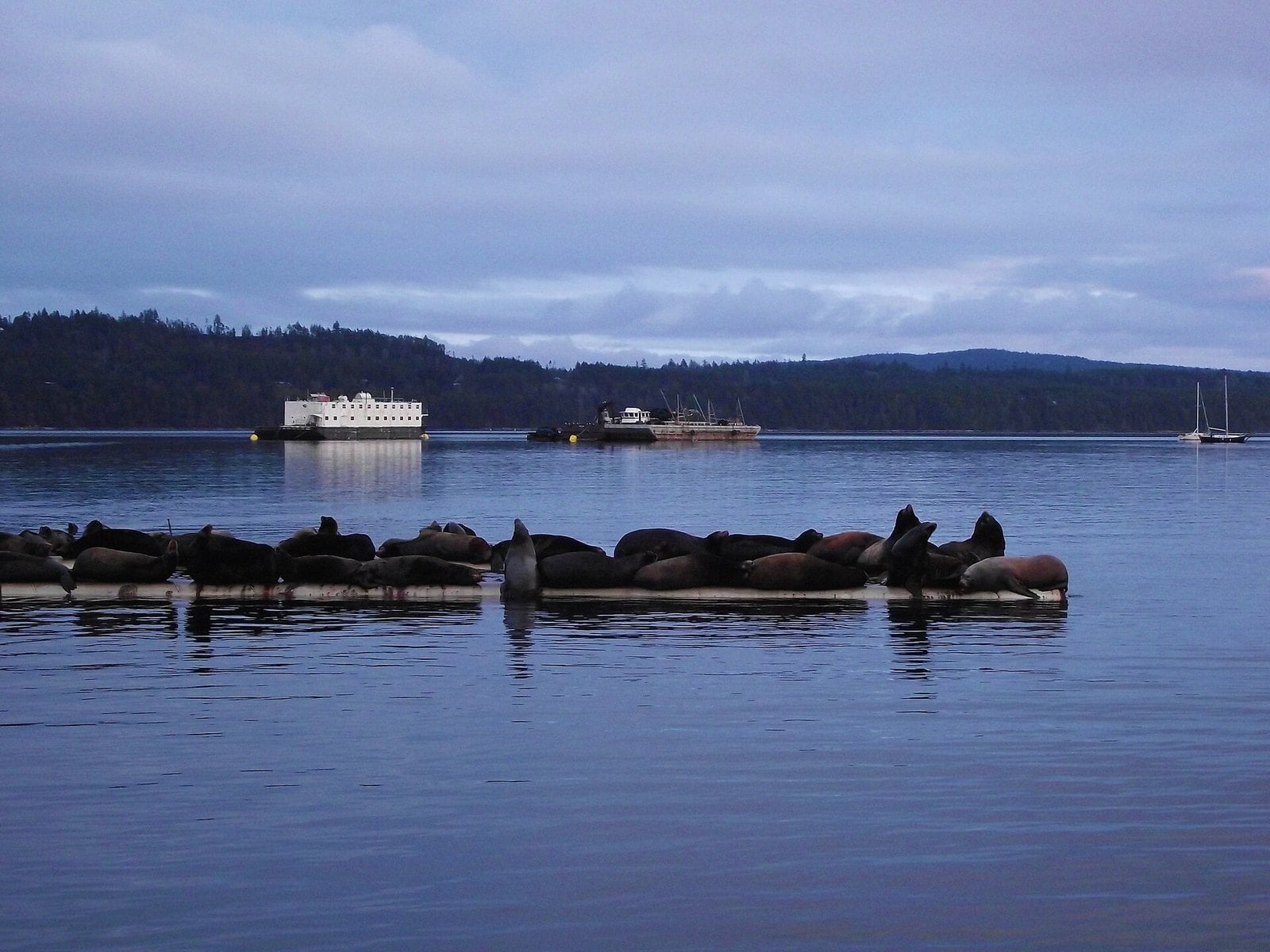
Where: Fanny Bay, Comox Valley Regional District, Vancouver Island
When: Winter into the late-winter herring season; no count published this season
Cost: Free to look from public areas (not confirmed by an official source)
Getting there: Old Island Highway near Buckley Bay
Fanny Bay sits on Baynes Sound, the same herring water BC Parks describes for Boyle Point across the channel. In 2014, CBC reported California and Steller sea lions hauled out on log booms in the Fanny Bay area. The sound is the draw, not any one dock.
The story here has a hard edge. A Vancouver Aquarium rescue team working with Fisheries and Oceans Canada freed several sea lions from marine debris in the area. Some animals here have been tangled in straps and netting. If you see one, don’t try to help it yourself.
Note where it is and call DFO’s 24/7 line at 1-800-465-4336. Numbers change from year to year, and no count has been published for this season. The bay is on Vancouver Island’s east coast, along the old Island Highway near Buckley Bay.
5. Lighthouse Park (West Vancouver)
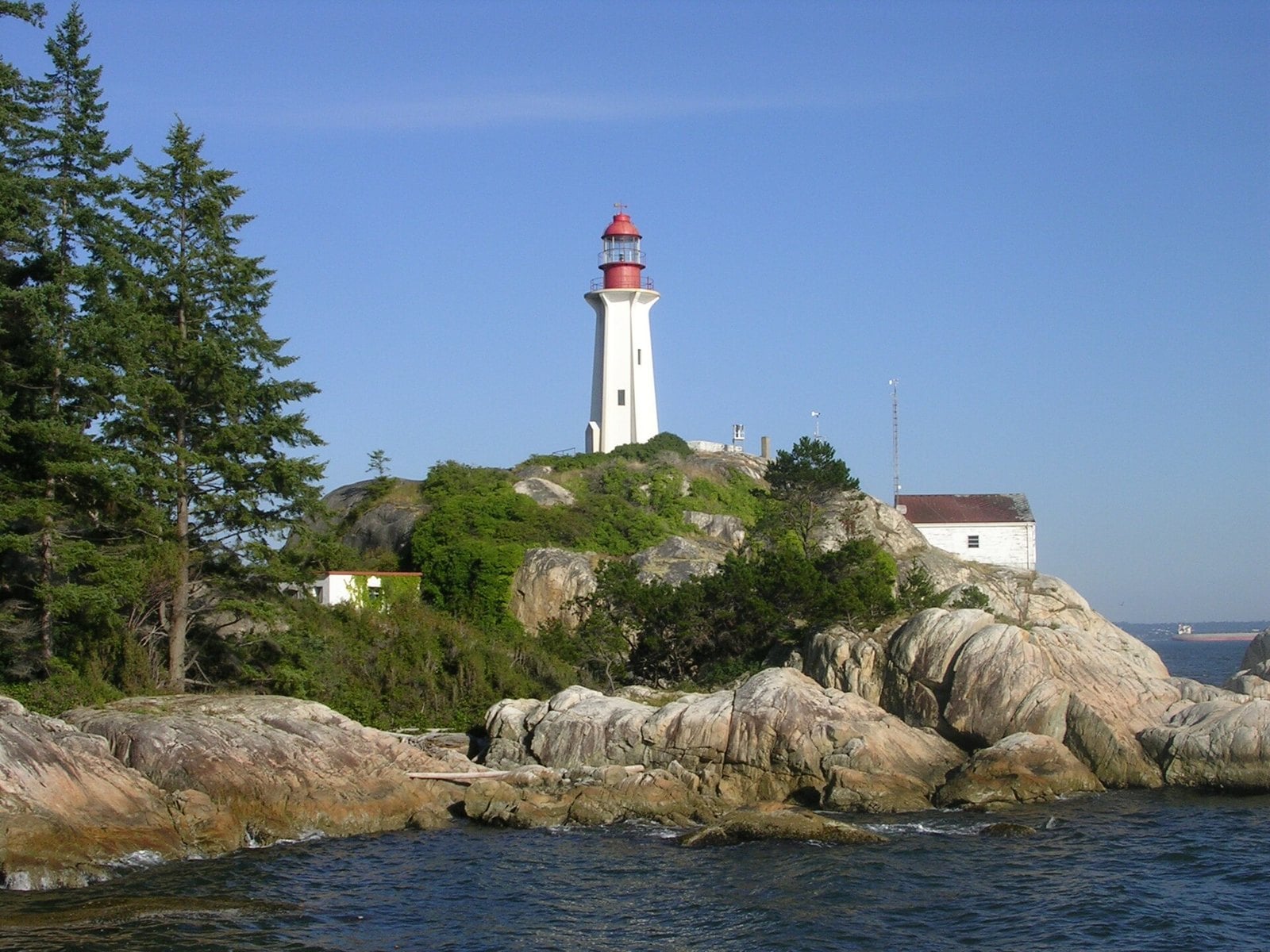
Where: Point Atkinson, West Vancouver
When: Year-round for seals and seabirds; orcas rare
Cost: No entry fee; pay parking year-round, 7 a.m. to 10 p.m.
Getting there: Lot off Beacon Lane, off Marine Drive; TransLink 250 stops at Marine Dr @ Beacon Lane; no buses allowed into the lot
Destination Vancouver suggests heading to the park’s ocean viewpoints to look for curious harbour seals. Seabirds are the other half of the show: cormorants, oystercatchers, surf scoters and grebes. The park has a Whale Trail sign, and Ocean Wise has held land-based whale-spotting events there. Orca sightings are rare, so come for the seals.
The lighthouse has its own history. Point Atkinson Lighthouse was designated a national historic site in 1974. Parks Canada calls its hexagonal reinforced-concrete tower an early example of the design. It was the first of three lighthouses built to serve the Port of Vancouver.
Park in the lot off Beacon Lane, just off Marine Drive. Pay parking applies year-round. West Vancouver residents can apply for a free annual pass, and vehicles with accessible placards or Veteran or Memorial Cross plates are exempt. No buses are allowed down Water Lane or into the park lot.
The district says to plan for a 25-minute uphill walk from the lighthouse back to the lot. That climb is the part people underestimate on short winter afternoons.
4. Steveston Fisherman’s Wharf and Garry Point Park (Richmond)
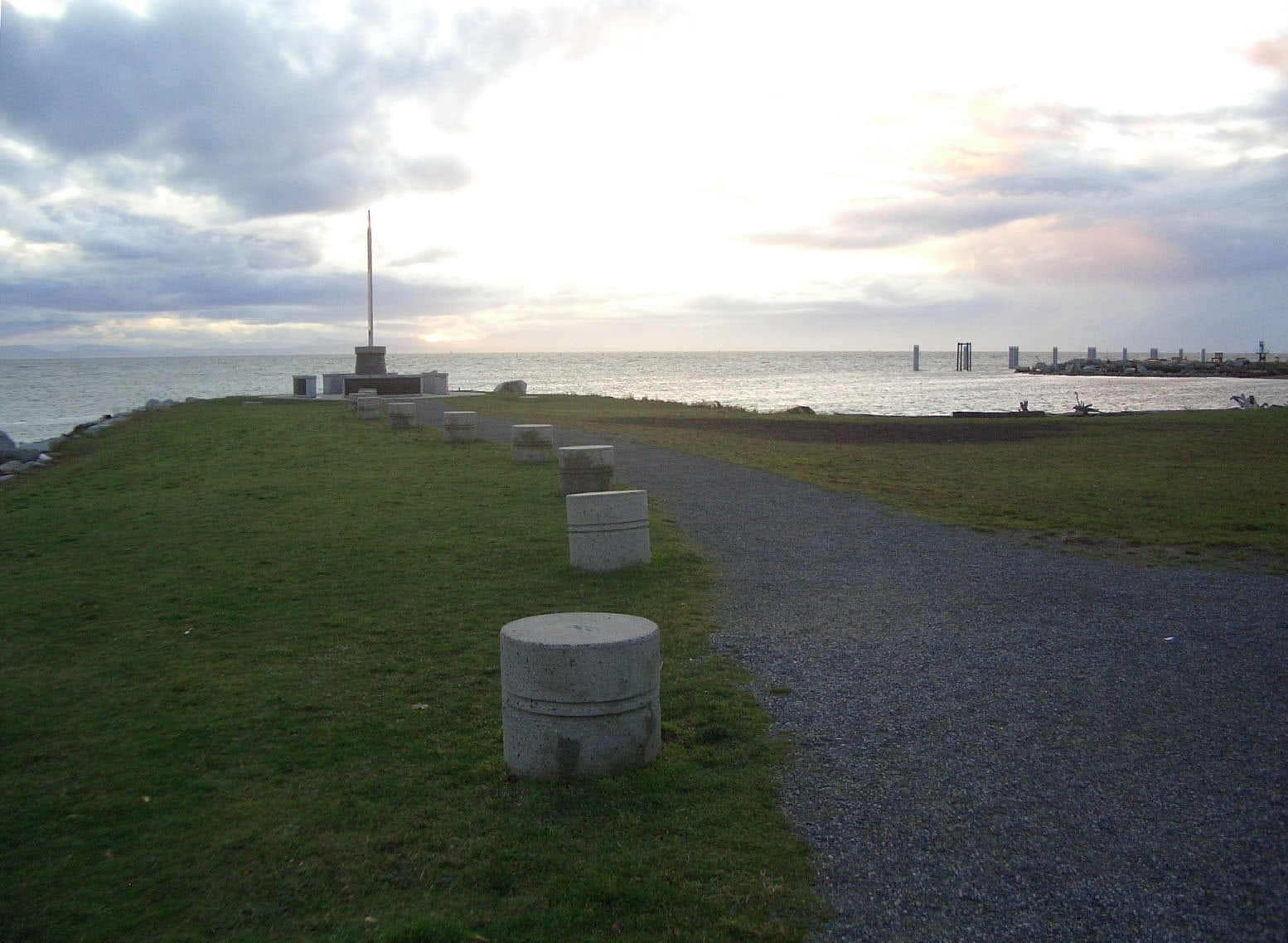
Where: Steveston, Richmond, at the mouth of the Fraser
When: Cooler months; eulachon peak in April and May
Cost: Free park; on-site parking
Getting there: Garry Point Park, 12011 7th Avenue, Richmond
This is a sea lion spot close to the city that doesn’t need a ferry. Garry Point Park is a large waterfront park at the southwest tip of Richmond, close to Steveston Village. The harbour authority has said California sea lions often pass through Steveston on their migration, looking for handouts from fishers.
That habit has consequences. In 2017, a sea lion that had been fed pulled a child into the water off the Steveston docks. The Steveston Harbour Authority says feeding wildlife is illegal and dangerous and points to the Marine Mammal Regulations. Watch from the boardwalk, stay back from the edge of the sales float and keep your food to yourself.
Sea lions are around in the cooler months. The river gets more interesting as winter ends. DFO lists Steller sea lions and harbour seals among the Fraser’s eulachon predators, and the eulachon spawn usually peaks in April and May.
The park is at 12011 7th Avenue, Richmond. It’s a free city park, and the city lists on-site parking.
3. Fort Rodd Hill and Fisgard Lighthouse (Colwood)
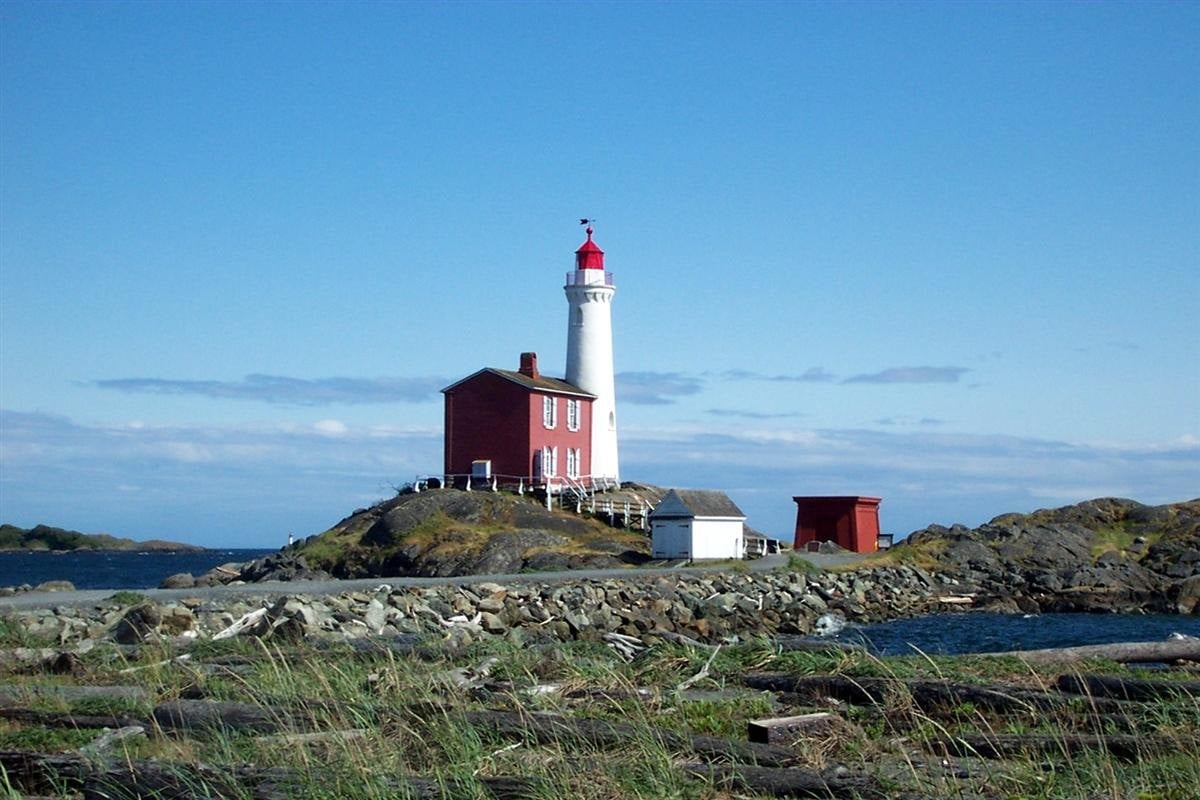
Where: 603 Fort Rodd Hill Road, Colwood, Greater Victoria
When: Oct. 16 to Apr. 30, 10 a.m. to 4 p.m.; lighthouse weekends only
Cost: Adult $10 per day; youth 17 and under free
Getting there: 603 Fort Rodd Hill Road, Victoria (Colwood)
Parks Canada has a Whale Trail site on the beach near Fisgard Lighthouse. It suggests looking for harbour seals, sea lions and passing whales from the three beaches near the lighthouse. The Whale Trail adds a practical note. Bring binoculars, because whales mostly travel the Strait of Juan de Fuca well offshore.
There’s a lot of history on the grounds. Fisgard is the oldest lighthouse on Canada’s west coast. Fort Rodd Hill was an artillery fort on active duty from 1895 to 1956.
From Oct. 16 to Apr. 30, the site is open 10 a.m. to 4 p.m. The grounds open daily, but the lighthouse and historic buildings open only on weekends. It’s closed Dec. 24, 25, 26 and 31 and Jan. 1. Check the Parks Canada hours page before you go. Adults pay $10 a day and youth 17 and under get in free, per the fee page.
The address is 603 Fort Rodd Hill Road. Parks Canada advises caution on the beach and rocky outcrops. Winter storms here are part of the show.
2. East Point (Saturna Island)
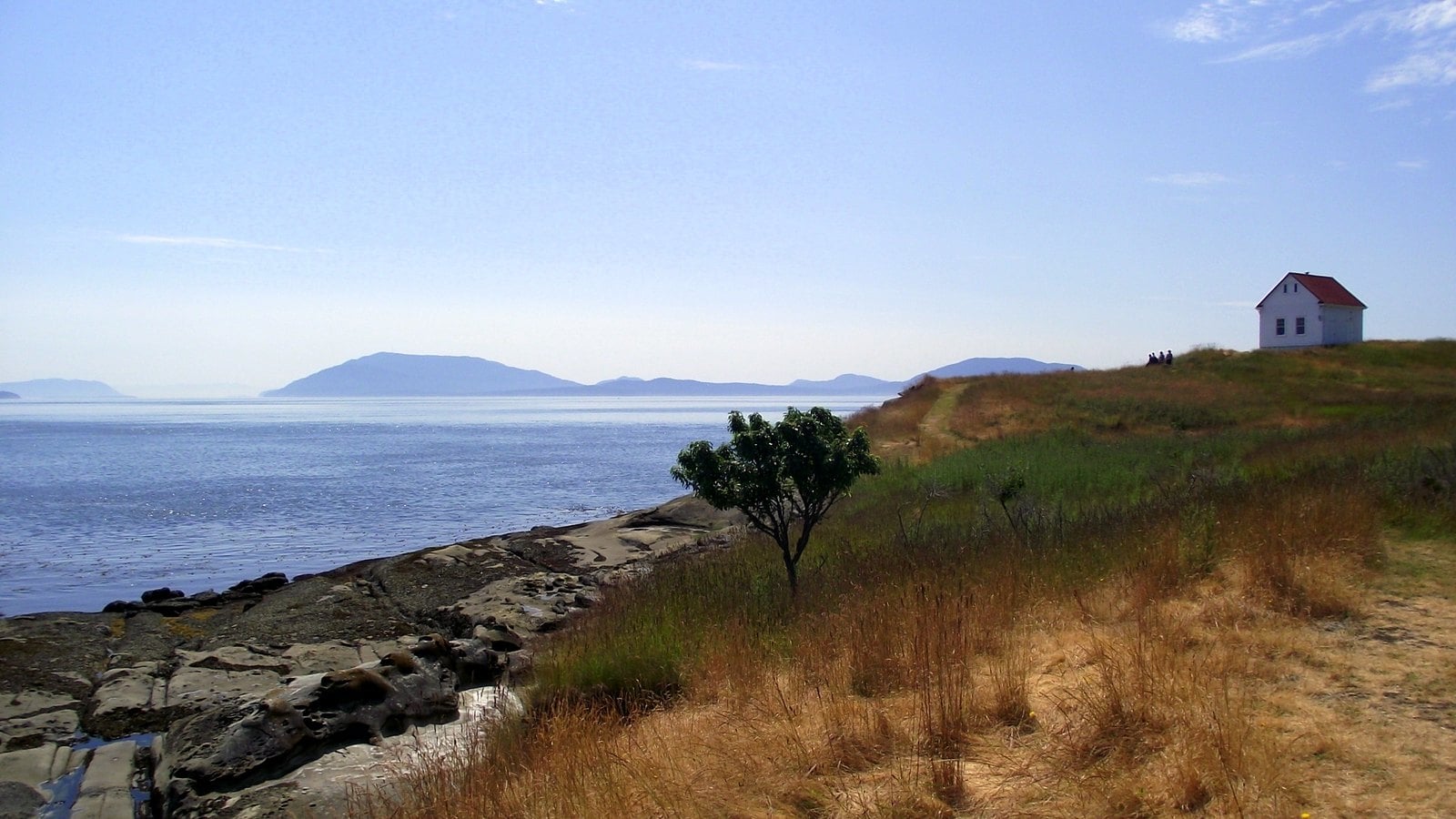
Where: Saturna Island, Gulf Islands National Park Reserve
When: Seals year-round; orcas possible, not guaranteed
Cost: No park fee confirmed; BC Ferries fare
Getting there: BC Ferries to Saturna, then East Point Road
If you want a real shot at orcas from land, this is the place to try. Parks Canada lists East Point as a shore-based whale-watching site on the Whale Trail. The Whale Trail’s site page says Bigg’s (transient) killer whales have often been seen there in recent years. Harbour seals are there any time of year.
The point carries one of the coast’s turning-point stories. In 1964, a killer whale later named Moby Doll was harpooned off Saturna. It survived 88 days in captivity and died Oct. 9, 1964. The Whale Trail says you can learn its story at the heritage Fog Alarm Building and see part of the whale’s skull. The museum is run by community volunteers in summer, so don’t count on it being open on a winter visit.
The current steel lighthouse tower was built in 1949 to replace the original 1888 lighthouse and dwelling. Parks Canada notes that visits are heavily concentrated in summer. Take BC Ferries to Saturna, then drive to East Point Road. Orcas are possible here but never guaranteed, especially in winter.
1. Boyle Point Provincial Park (Denman Island)
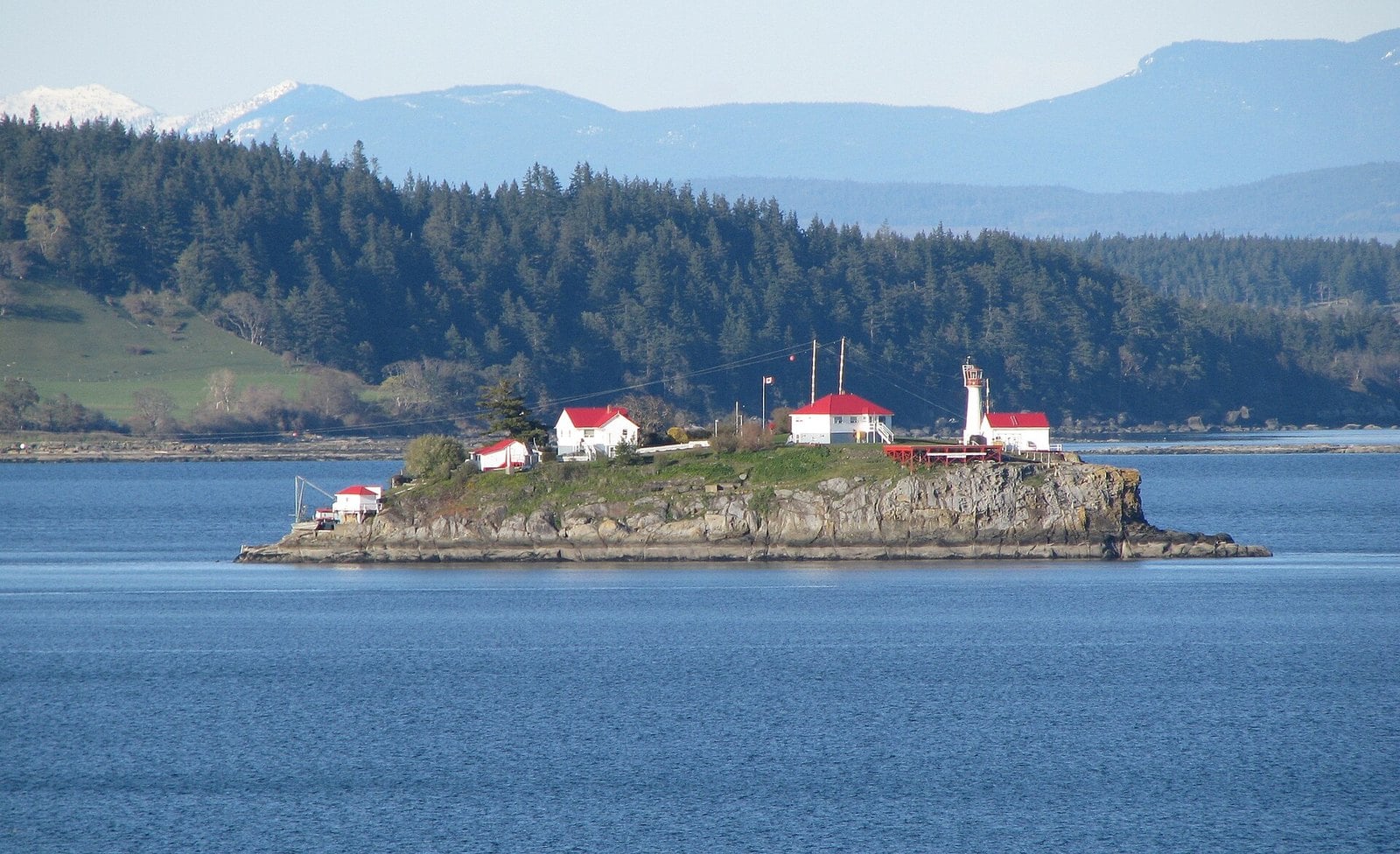
Where: Southern tip of Denman Island, Comox Valley
When: Winter herring season; day-use only
Cost: No fee listed by BC Parks (not confirmed); BC Ferries fare to Denman
Getting there: Ferry from Buckley Bay (Hwy 19 exit 101), then East Road; 1.5 km walk each way
This is the clearest winter sea lion call on the list. BC Parks says California and Steller sea lions come to the waters around Boyle Point in winter to feed on big schools of herring in Baynes Sound. From the viewpoint you look out over the sound and the Chrome Island Lighthouse. Seals, sea lions, bald eagles, ospreys and seabirds can all be seen from here.
The walk in is part of the reason to go. In 2013, BC Parks added 52 hectares of never-logged forest to the park. BC Parks says that addition holds some of Denman’s oldest and largest Douglas fir, hemlock and western cedar, though the main trail to the viewpoint runs through second-growth forest. It’s about 1.5 km each way to the viewpoint, roughly 25 minutes.
Timing follows the herring. DFO’s Strait of Georgia herring spawn flights in 2020 ran from Feb. 19 to March 31, which gives you a rough idea of the late-winter window. The park is day-use only. Take the Denman Island ferry from Buckley Bay at Hwy 19 exit 101. On Denman, follow Denman Road toward the Hornby Island ferry terminal, turn right and follow East Road to the park.
Bring binoculars. The sea lions are out on the water, not on the beach at your feet. Fanny Bay is right on the way to the Buckley Bay ferry, so you can do both in one trip.
| Animal | Distance | Status |
|---|---|---|
| Southern Resident killer whales (vessels) | 1,000 m | Mandatory June 1, 2026–May 31, 2027 |
| Other killer whales (vessels) | 200 m | Marine Mammal Regulations |
| Whales/porpoises/dolphins resting or with calf | 200 m | Regulation |
| Other whales, porpoises, dolphins | 100 m | Regulation |
| Seals and sea lions on shore | 100 yards | Be Whale Wise recommendation |
How close is too close
Be Whale Wise advises staying about 100 m (100 yards) from all marine mammals on shore. DFO says it is illegal to disturb seals under the Marine Mammal Regulations. A seal resting on a beach is not stranded by default. Keep children and dogs well back, and never feed anything.
Orca rules on the water
From June 1, 2026 to May 31, 2027, vessels must not approach within 1,000 m of Southern Resident killer whales, per Transport Canada. The distances for other whales are in the table below. These rules apply to boats, not to you on the beach. Watching from shore is the low-impact option.
See an animal in trouble?
- Don’t touch or move it.
- Call DFO’s 24/7 Observe, Record, Report line toll-free at 1-800-465-4336.
- Note the exact location and what you see, such as a strap or net around the neck.
When to go
- October and November: peak sea lion numbers at haul-outs like Race Rocks.
- Winter, peaking late February and March: the Baynes Sound herring season draws sea lions. DFO’s 2020 spawn flights ran Feb. 19 to March 31.
- April and May: the Fraser eulachon peak brings seals and sea lions into the river.
- Spring to fall: the main whale window at Porteau Cove, per BC Parks.
The Race Rocks chart shows how sharply sea lion numbers fall between early winter and spring.
What to bring
- Binoculars. The Whale Trail suggests them, and most animals here are offshore.
- Rain gear. It’s winter on the coast.
- Grippy footwear for wet rock.
- A tide table if you’re heading to Whyte Islet.
- The WhaleReport app, which lets you log sightings for Ocean Wise’s sightings network.
Short days catch people out. Go prepared for a walk back in fading light, especially at Lighthouse Park and Boyle Point.
Getting there
Four spots are reachable without a ferry from Vancouver: Steveston and Garry Point, Lighthouse Park and Whytecliff on the Shore, and Porteau Cove on the Sea to Sky. Saturna and Mayne need BC Ferries. Fanny Bay, Fort Rodd Hill and the Metchosin shore near Race Rocks need a BC Ferries crossing to Vancouver Island, and Boyle Point needs that crossing plus the Denman Island ferry from Buckley Bay. Check the BC Ferries schedule before you commit to an island day.
Winter favours sea lions. Seals are a near-sure thing at most of these spots all year. Orcas are a maybe, and East Point is your best bet if you want to try. Pick the spot that fits your day, check the tide or the ferry, and bring binoculars. If you see something in trouble, call it in and leave it to DFO.
Get the weekend plan in your inbox. Burrard Bulletin is a free email on what’s actually on from Vancouver to Whistler. Sign up here.
Photo credits
- Chrome island 01.jpg by KenWalker kgw@lunar.ca, CC BY-SA 3.0 (combined into a montage, cropped). Via Wikimedia Commons.
- Fanny Bay with oyster processor and sea lions.JPG by Wasrts, CC BY-SA 3.0 (combined into a montage, cropped). Via Wikimedia Commons.
- Vancouver-RIchmond Steveson 6.jpg by Rayxz, CC BY-SA 3.0 (combined into a montage, cropped). Via Wikimedia Commons.
- Lighthouse Lighthouse Park.JPG by Clayoquot, CC BY-SA 3.0 (combined into a montage, cropped). Via Wikimedia Commons.
- Whytecliff Park, West Vancouver.jpg by Northwest, CC BY-SA 4.0 (resized). Via Wikimedia Commons.
- Porteau Cove Provincial Marine Park 01.jpg by Joe Mabel, CC BY 3.0 (resized). Via Wikimedia Commons.
- East Point Park – panoramio.jpg by Kiwibirdman, CC BY 3.0 (resized). Via Wikimedia Commons.
- Mayne Island and Washington State from BC Ferries (7700936498).jpg by InSapphoWeTrust from Los Angeles, California, USA, CC BY-SA 2.0 (resized). Via Wikimedia Commons.
- Fisgard Lighthouse (2007).jpg by The original uploader was Gulielmus at English Wikipedia., CC BY 2.5 (resized). Via Wikimedia Commons.
- Race Rocks Lighthouse, Strait of Juan de Fuca.jpg by Keely Hill, CC BY-SA 4.0 (resized). Via Wikimedia Commons.
