
8 Dark-Sky Spots Near Vancouver for Winter Stargazing
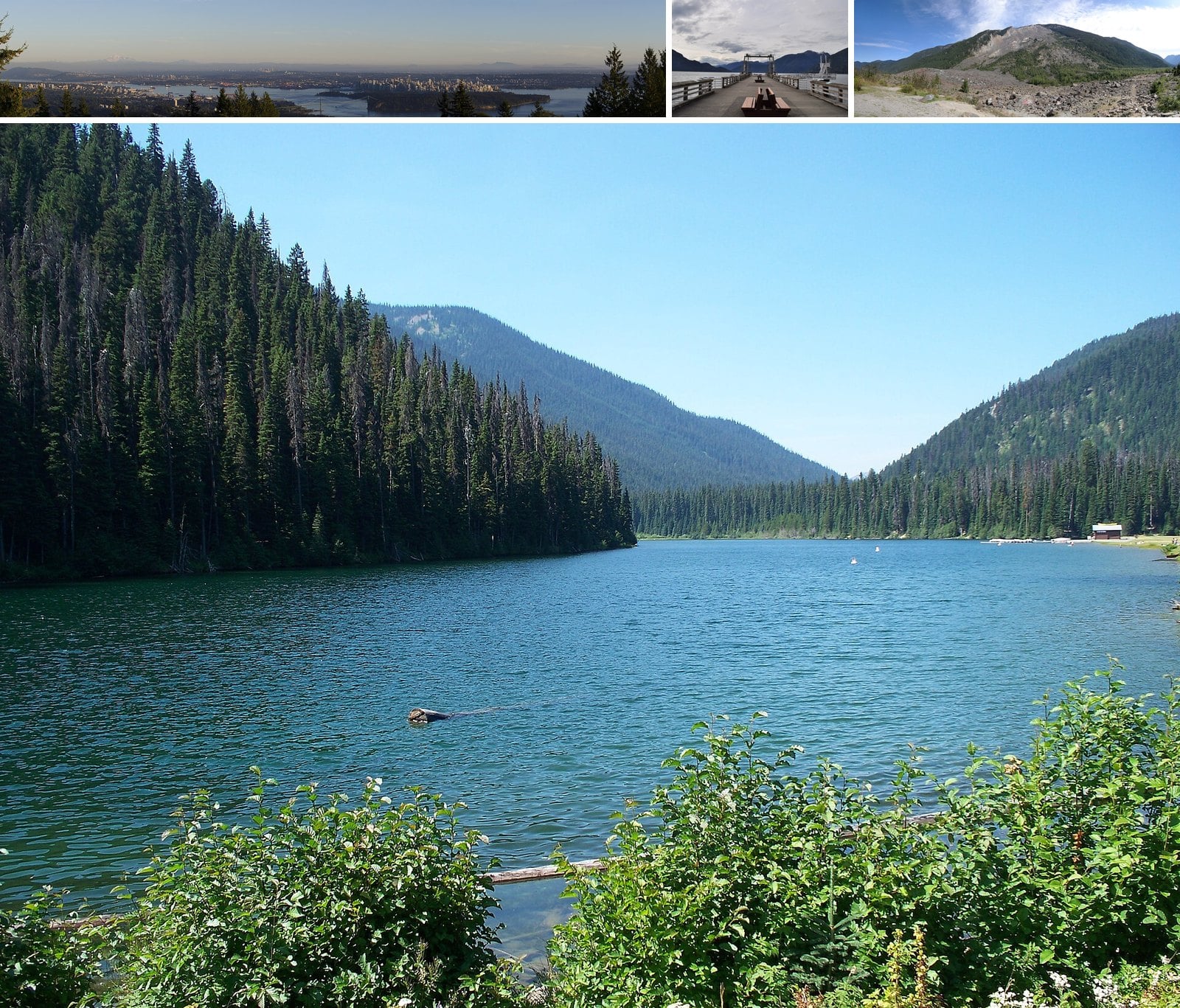
Vancouver’s sky is about as bright as skies get. Destination Sunshine Coast puts the city’s urban skies at Bortle 6 to 9 on the scale astronomers use for light pollution. At that level you see the Moon, a few planets and not much else. To see more stars, you have to drive out of the glow.
This winter there’s a new wrinkle. B.C. didn’t turn its clocks back on Nov. 1, 2026. On the clock, full darkness now arrives about an hour later than it did in past winters. Many parks close their gates at a fixed hour, so that lost hour comes straight out of your viewing time.
This list covers the places that still work after dark. It runs from a lookout above the Shore to a dark-sky preserve below Sumas Mountain, with stops on the Sea to Sky, Highway 3 and the Sunshine Coast. For each spot you’ll get the gate rules, the cost, how to get there and what you’ll actually see. Two of them, Cypress and the Hope Slide, are on the list of observing sites that RASC Vancouver Centre publishes for its members.
| Spot | How far | Cost |
|---|---|---|
| Cypress: Highview Lookout | Off Highway 1, West Vancouver | Free (Lot 3B free in winter) |
| Porteau Cove | 38 km north of Vancouver | No day-use fee found. $12 overnight permit for campers and boaters. |
| McDonald Park | 15 km from Abbotsford, 18 km from Chilliwack | Free |
| Hope Slide | About 14 km east of Hope | Free |
| Manning: Lightning Lake | Within three hours of the Lower Mainland | Free. $13 per night for self-contained camping. |
| Sunshine Coast Observatory | Ferry crossing, then Sechelt airport | Free, by donation |
| Golden Ears: Gold Creek | Just over an hour east of Vancouver | $13 per party per night (2021 rate) |
| Chilliwack Lake | 64 km southeast of Chilliwack, plus about 800 m walk | Free |
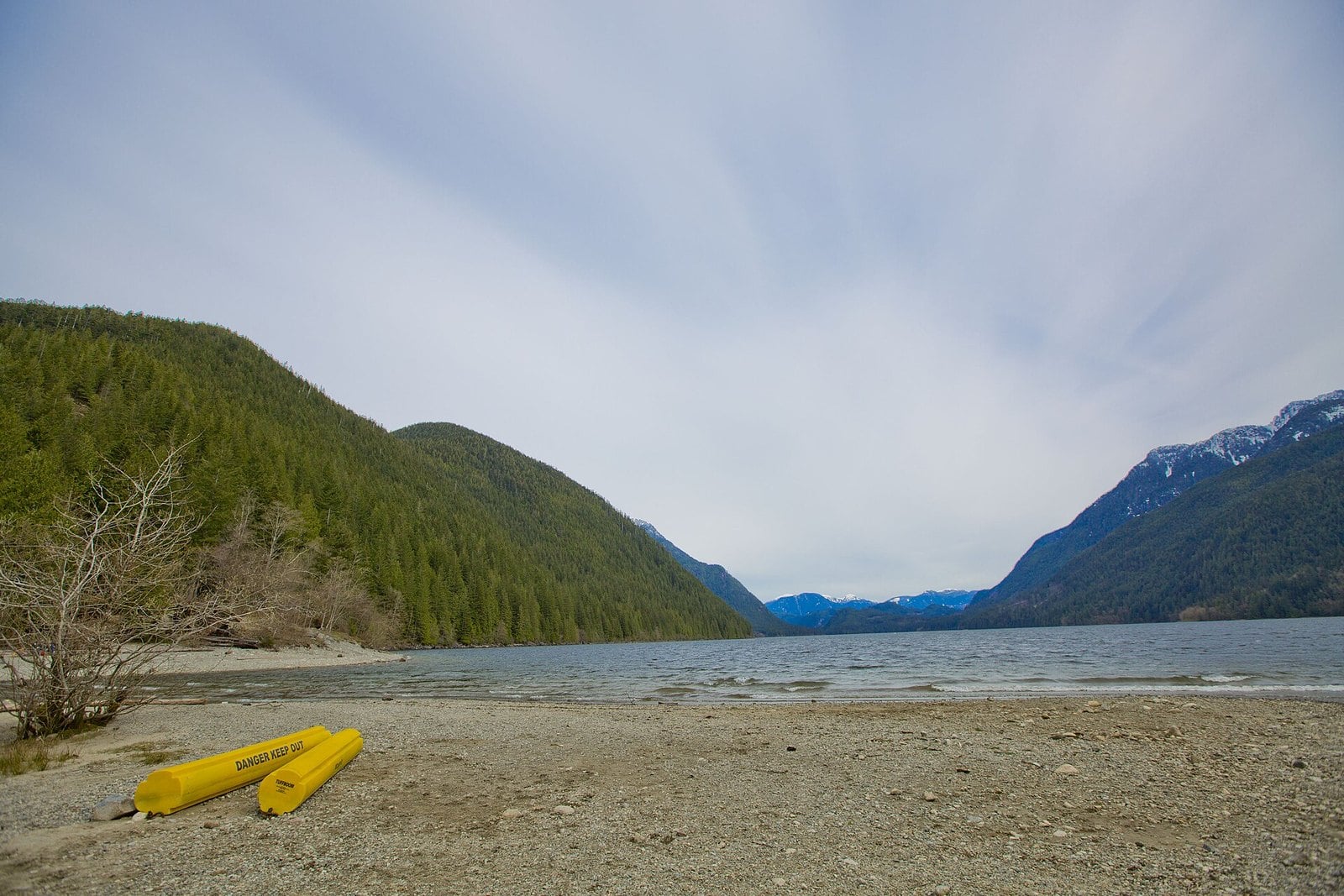
8. Golden Ears Park: Gold Creek Campground (Maple Ridge)
Where: Maple Ridge, north of Fern Crescent
When: Winter camping season, when the park road is open
Cost: Winter camping was $13 per party per night (2021). Check the current rate with Alouette Park Management.
Getting there: Highway 1 or Lougheed Highway to Maple Ridge, then Dewdney Trunk Road. Just over an hour from Vancouver.
BC Parks puts Golden Ears just over an hour east of Vancouver. That makes it one of the closest big parks on this list. In winter, though, the main gate is locked overnight.
The posted hours are muddy. The operator’s most recent posted hours, from 2021, were 7 am to 7 pm. An archived BC Parks page says the gate is locked from 5:30 pm to 8 am. Either way, day visitors have to be out around the time the sky gets fully dark.
That leaves camping. Gold Creek is the campground the operator lists for winter camping, with minimal services. Winter camping was $13 per party per night as of the 2021 operator post. Check the current rate with the park operator, Alouette Park Management. The park road can also close for snow, so check before you go.
Take Highway 1 or the Lougheed Highway to Maple Ridge, then Dewdney Trunk Road to the park entrance. Once the gate locks, you can’t drive in again until it reopens in the morning. Arrive with everything you need.
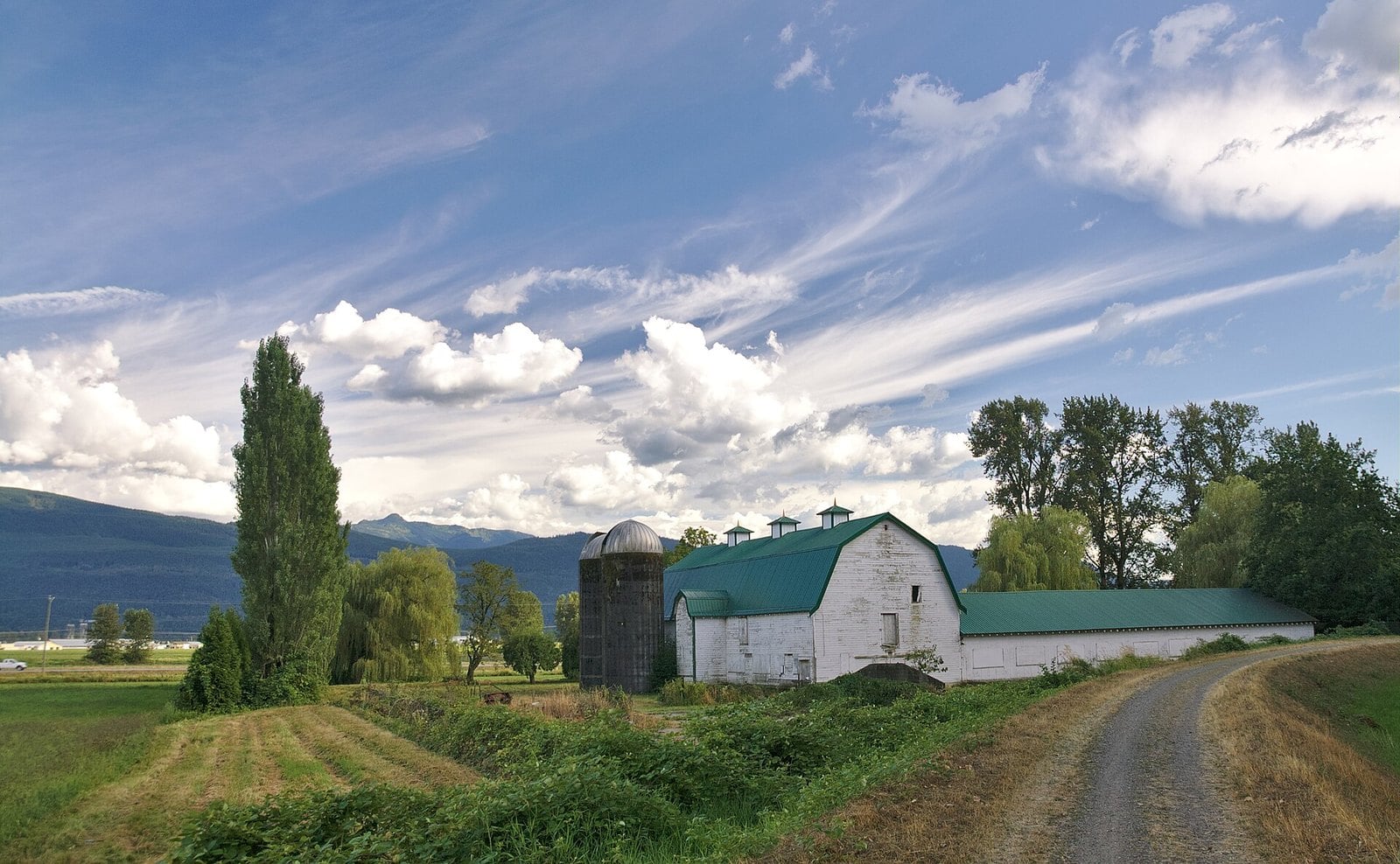
7. McDonald Park Dark-Sky Preserve (Abbotsford)
Where: No. 3 Road, Abbotsford (Sumas Prairie)
When: Nights when the Fraser Valley Astronomers Society is observing
Cost: Free (city park)
Getting there: Highway 1 east to Abbotsford. 15 km from Abbotsford, 18 km from Chilliwack.
This Abbotsford city park on No. 3 Road was designated a Dark-Sky Preserve on April 7, 2000. The Fraser Valley Astronomers Society, the Vancouver RASC Centre and Abbotsford City Council worked on the designation together. The reason it works is geography. According to RASC, Sumas Mountain blocks direct light from Abbotsford, Chilliwack and Mission.
It’s not what it was. RASC itself says nearby urban growth and greenhouses have badly degraded the sky. Even so, it remains the only designated preserve on this list, and it’s a short drive off Highway 1.
Night observing here is set up for Fraser Valley Centre members. The washrooms are locked when no member is on site, and there’s no public power. RASC says the park gates close at 9 pm. It strongly advises leaving your vehicle outside the gate and carrying your gear in, so you don’t get locked in.
The better plan is to connect with the Fraser Valley Astronomers Society, also known as RASC Fraser Valley, and go on a night when they’re observing. Without the club, aim for an early evening visit or park outside the gate. RASC puts the park 15 km from Abbotsford and 18 km from Chilliwack.
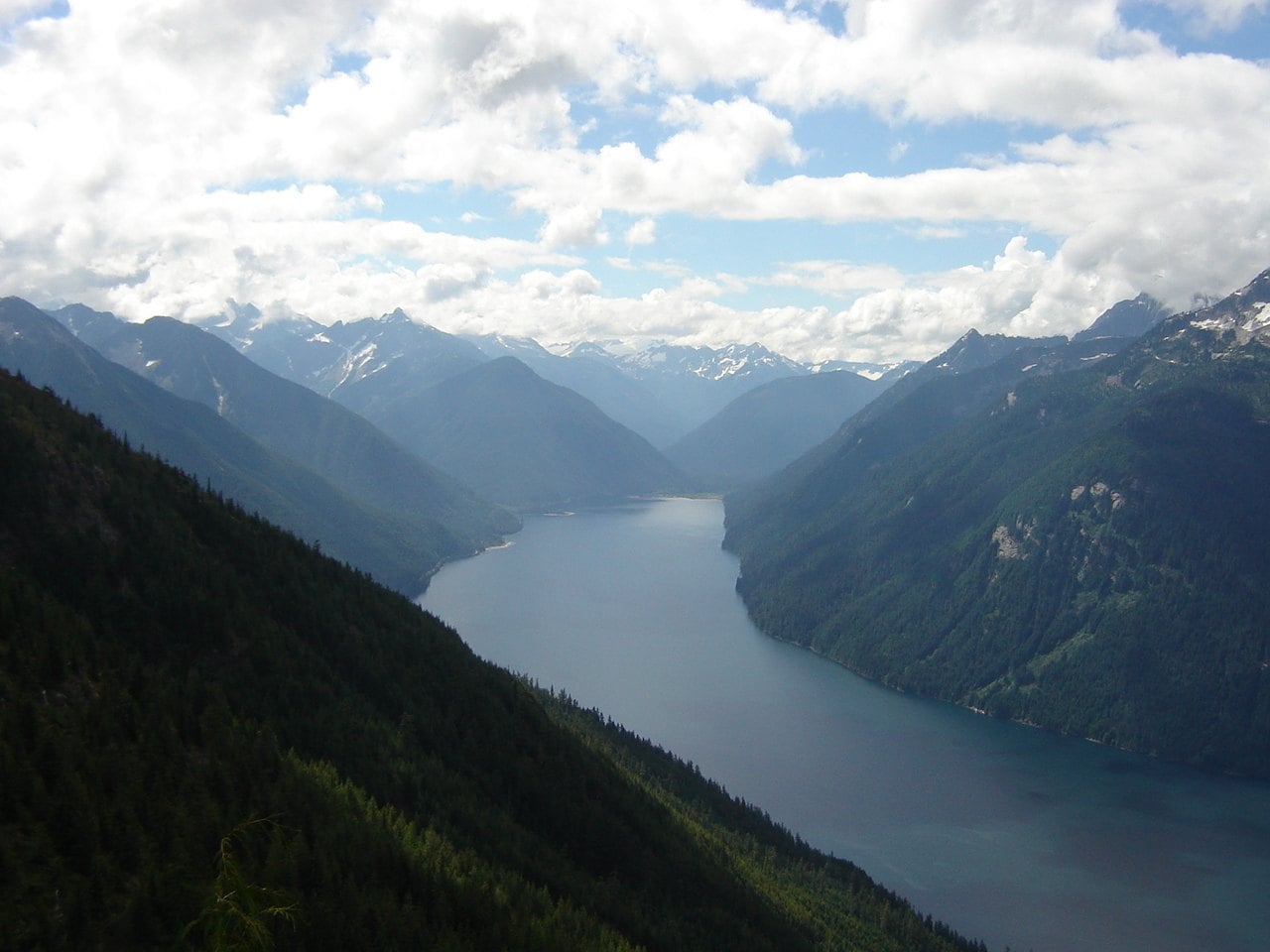
6. Sx̱ótsaqel/Chilliwack Lake Park (east of Chilliwack)
Where: End of Chilliwack Lake Road, east of Chilliwack
When: Clear, dry nights, after checking BC Parks advisories
Cost: Free to walk in
Getting there: Highway 1 to Exit 104, Vedder Road, then about 40 km on Chilliwack Lake Road. Park at the end of the pavement (not in front of the gate) and walk in, roughly 800 metres.
This valley-bottom lake sits 64 km southeast of Chilliwack, according to BC Parks. It’s a long drive up a dead-end road, which is the point.
The park gate is closed from October to May. BC Parks says you can park on Chilliwack Lake Road at the end of the pavement and walk in. An older BC Parks notice put the walk to the lake at about 800 metres. BC Parks says camping and fires aren’t allowed on the lakeshore. Don’t block the gate. Hunting with firearms is allowed in this park during open season, so wear bright clothing on the walk in.
The park has had a rough stretch. BC Parks closed it after atmospheric-river flood damage in December 2025. It reopened for 2026 camping, but check current advisories before any winter visit.
Take Highway 1 to Exit 104, follow Vedder Road and turn onto Chilliwack Lake Road for about 40 km. BC Parks warns against leaving anything of value in parked cars here. Bring a headlamp with a red-light mode for the walk, so you don’t wreck your night vision on the way to the shore.
5. Cypress Park: Highview Lookout (West Vancouver)

Where: Cypress Bowl Road, West Vancouver
When: Clear winter nights
Cost: Free. Lot 3B is free in winter. The resort may charge for its other lots.
Getting there: Highway 1 to the Cypress Bowl Road exit, then up the switchbacks to the signed lookout
Highview is a small grassy area with six picnic tables, partway up Cypress Bowl Road. BC Parks says it is mainly used as a lookout over Vancouver, the Fraser Valley and the south end of Vancouver Island. That view is also the problem. The city sits right below you, so the southern sky glows.
Come here for the Moon, the planets and the brighter stars. It isn’t a deep-sky site. It makes the list because it’s a short drive from downtown with real elevation, and because RASC Vancouver lists Cypress Mountain among the places its members observe.
Take Highway 1 to the Cypress Bowl Road exit in West Vancouver and drive the switchbacks to the signed lookout. Both Cypress day-use areas have wheelchair-accessible pit toilets. Cypress Bowl Road has long been closed to the public from 11 pm to 7 am in winter, so plan to be back down the mountain before 11 pm.
For a darker sky, keep driving to Lot 3B. The BC Parks trail report lists it as free winter parking. Face north, away from the city. Stay near the car, though. BC Parks advises against winter travel to Eagle Bluffs, and that advice applies double in the dark.
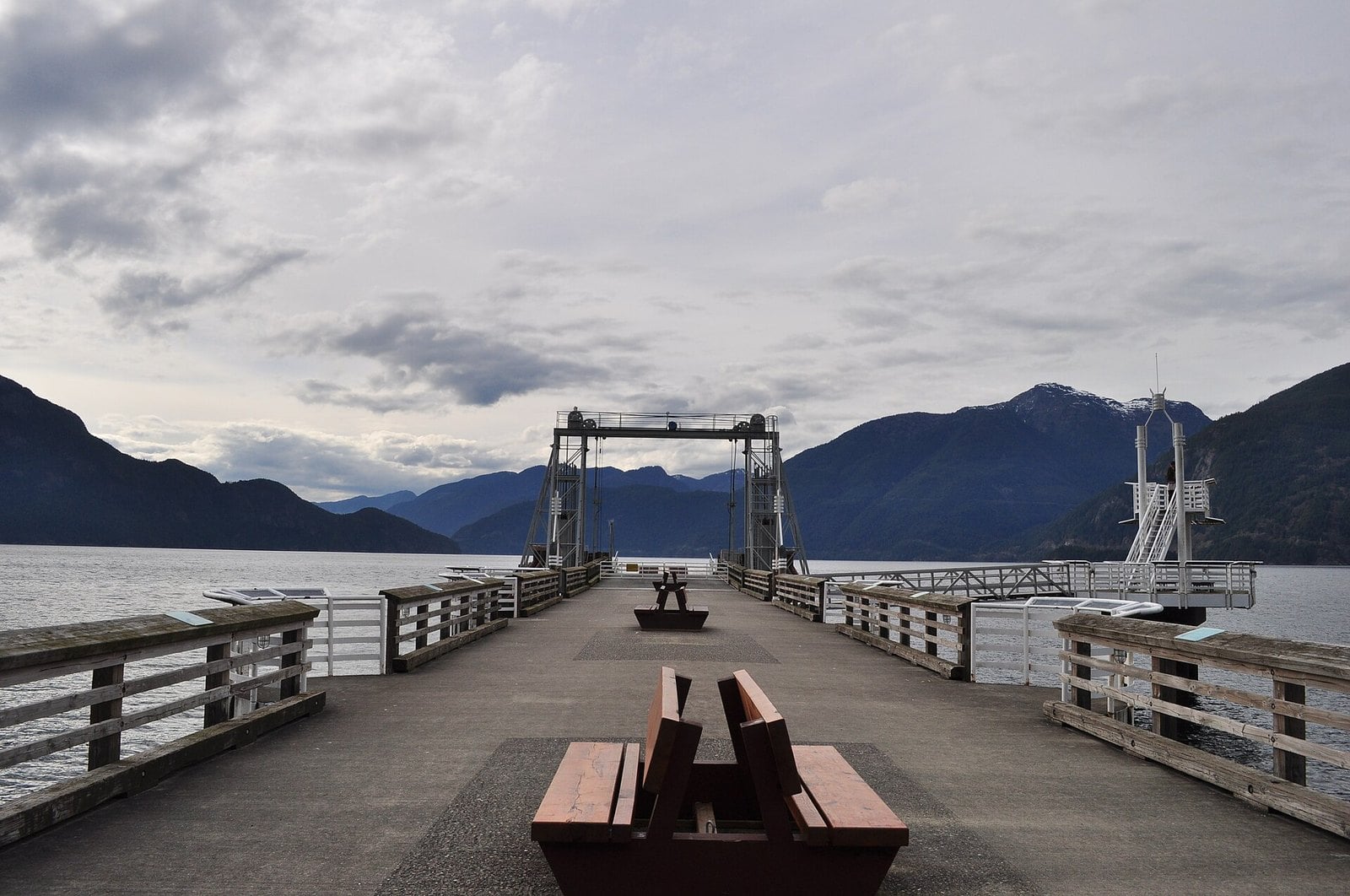
4. Porteau Cove Park (Howe Sound)
Where: Highway 99 (Sea to Sky), Howe Sound shore
When: Clear evenings. Leave by 10 pm to be safe.
Cost: No day-use fee listed by the operator. Overnight parking for campers and multi-day boaters is $12.
Getting there: North on the Sea to Sky, 38 km from Vancouver. Winter tires required.
Porteau Cove sits on the Howe Sound shore of the Sea to Sky, 38 km north of Vancouver according to the park operator. BC Parks says stargazing and aurora viewing are becoming increasingly popular here. The park is open all year, with limited facilities and reduced fees in winter.
The rules are firm, and the two official sources don’t agree. BC Parks says the day-use area closes at 11 pm. Sea to Sky Parks, which runs the park, says non-camping vehicles can’t use the day-use area between 10 pm and 7 am. Plan around the earlier time. You also can’t walk into the campground just to look at the sky.
This is where the unchanged clock bites hardest. With darkness arriving about an hour later, a 10 pm exit leaves you a short window. Go early in the evening and go on a clear night.
If you want to stay later, book a winter campsite. The operator lists the winter season as Nov. 12 to Feb. 28. Registered campers are the only people allowed in the park after 11 pm. Overnight parking is only for campers and multi-day boaters, and it needs a $12 permit from the gatehouse. Winter tire rules apply on the Sea to Sky.
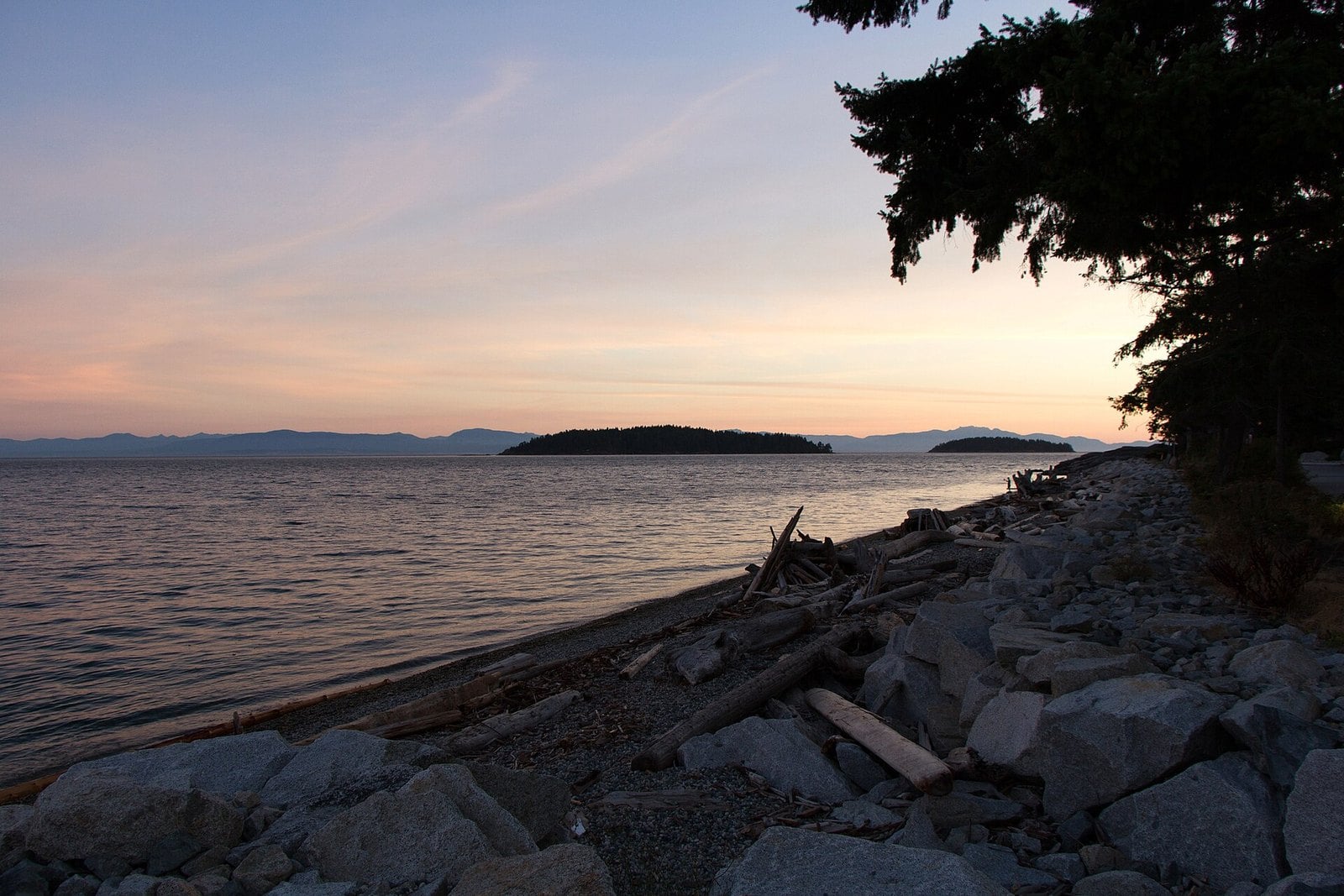
3. RASC Sunshine Coast Observatory (Sechelt)
Where: Sechelt Airport (north gate), near Wilson Creek
When: Clear nights when volunteers can open, usually the Saturday after the club’s monthly meeting (second Friday). Openings are announced on the club’s Facebook page.
Cost: Free, by donation
Getting there: Ferry to the Sunshine Coast, then drive to the Sechelt airport
This is the only spot on the list with an observatory and people to run it. The Sunshine Coast Centre of RASC operates a volunteer observatory at the Sechelt airport, near Wilson Creek. Destination Sunshine Coast rates the sky here Bortle 4. Compared with Vancouver’s 6 to 9, that’s a big step down in glow.
Viewing and tours are free, and the club welcomes donations. The observatory is wheelchair accessible. The club’s 2026 calendar says public viewing happens on clear nights when volunteers are available, traditionally the Saturday after the monthly meeting, with details posted on Facebook. The club confirms each opening on the day on its website and Facebook page.
The club won’t open in bad weather, and it asks visitors to check online before setting out. That matters more than usual here, because getting to the Sunshine Coast takes a ferry crossing. Once you’re over, drive to the Sechelt airport and use the north gate entrance.
It’s an airport, so a couple of rules apply. Laser pointers are banned, so leave the green laser at home. Dogs aren’t allowed on the observatory site at all.
2. Hope Slide Viewpoint (east of Hope)
Where: Highway 3, about 14 km east of Hope
When: Clear winter nights, after checking DriveBC
Cost: Free
Getting there: Highway 1 to Hope, then Highway 3 east. Winter tires required.
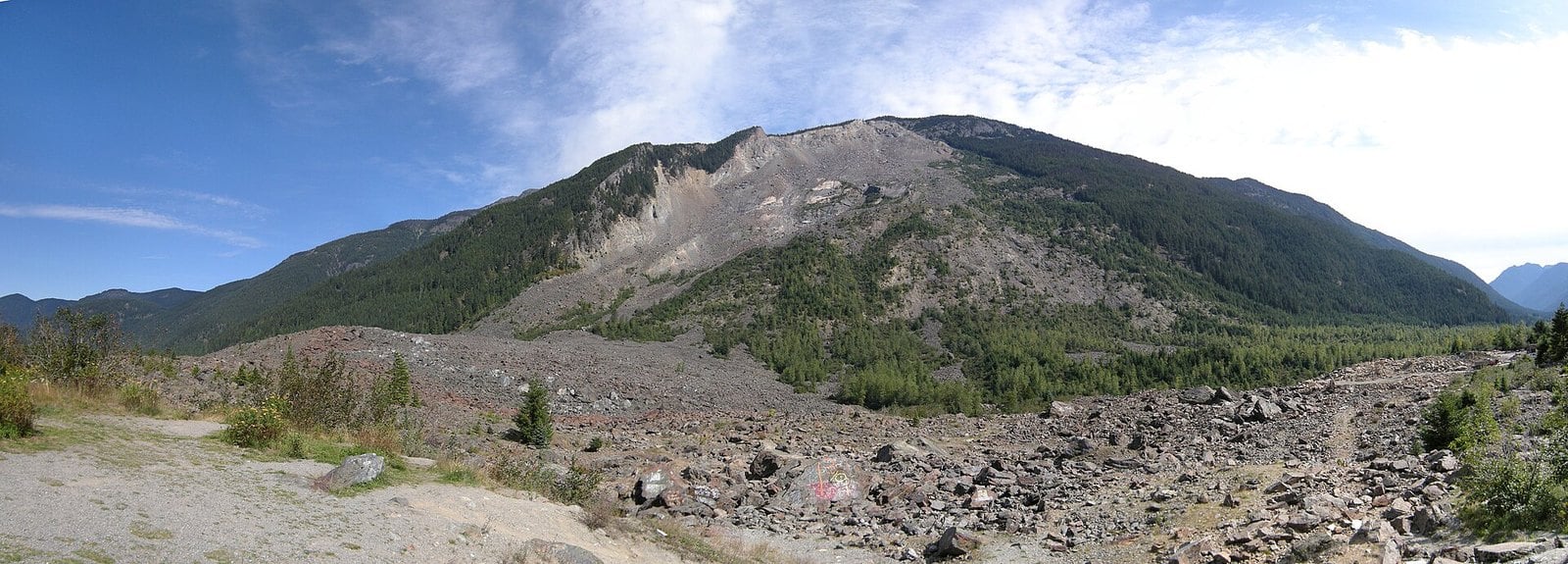
The viewpoint is a Highway 3 pull-out about 14 km east of Hope, next to the scar of one of B.C.’s best-known disasters. On the morning of Jan. 9, 1965, a landslide buried the highway here and killed four motorists. The scar is still plain to see.
At night the draw is the dark. Vancouver Is Awesome singles out the parking lot for its dark skies. RASC Vancouver lists the Hope Slide as one of its members’ observing sites. Highway 3 has carried the nickname Dark Sky Highway for years because no major cities lie along it.
The mountains block the eastern and western horizons, so your best view is to the south. Take Highway 1 to Hope, then Highway 3 east. The rest-area access road may be gated or unplowed in winter, so have a backup pull-out in mind.
Highway 3 is a mountain route. Check DriveBC before you leave, and remember winter tires are required.
1. E.C. Manning Park: Lightning Lake and Windy Joe Field (Manning Park)
Where: Gibson Pass Road, off Highway 3, Manning Park
When: Any clear night, all winter
Cost: Free to view. Self-contained camping at Lightning Lake is $13 per night per party.
Getting there: Highway 1 to Hope, Highway 3 east to the resort, then Gibson Pass Road. Within three hours of the Lower Mainland. Winter tires required.
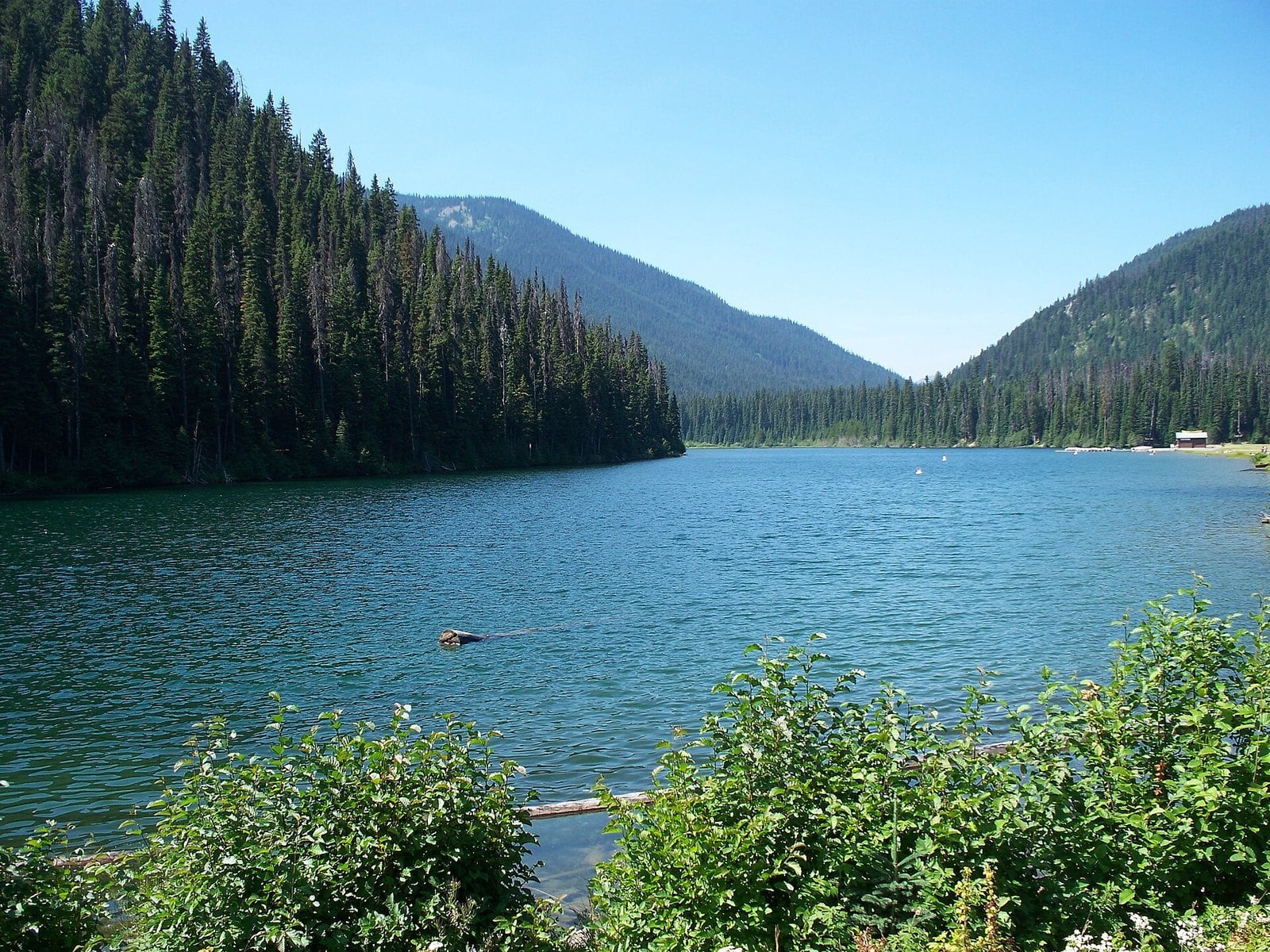
Manning is the most complete winter stargazing trip on this list. Manning Park Resort recommends the Lightning Lake Day Use Area, 4 km from the resort on Gibson Pass Road. Head to the far end of the parking-lot field for the darkest sky. On a calm night you’ll see starlight reflected on the lake.
Windy Joe Field is next to the resort cabins. It’s the easy option with kids, but the resort warns there’s more light there from nearby buildings. The resort rents beginner telescopes from the lodge, which makes it a good first night out for a family. Both spots are year-round viewing areas, according to the resort.
Cascade Lookout is off the table this winter. The BC Parks trail report says the gate to Blackwall Peak is now closed for the season.
Take Highway 1 to Hope, then Highway 3 east to the resort, and turn onto Gibson Pass Road. BC Parks puts the park within a three-hour drive of the Lower Mainland. That’s a long way to drive back over the pass after midnight. Book a cabin, or bring a self-contained RV: the resort says Lightning Lake Day Use stays open in winter for self-contained camping at $13 per night per party.
Gates decide your night
At most of these spots, the sky isn’t the limit. The gate is. Here are the after-dark rules, park by park:
- Porteau Cove: BC Parks says 11 pm and the operator says 10 pm. The campground is off-limits for stargazing.
- Golden Ears: the main gate locks overnight in winter, so after dark it’s Gold Creek campers only.
- Chilliwack Lake: the gate is closed from October to May, so you walk in.
- Manning: Lightning Lake Day Use stays open in winter. Cascade Lookout is gated for the season.
- McDonald Park: night observing is set up for Fraser Valley Centre members.
The clock change that didn’t happen
B.C. stayed on UTC-7 instead of falling back on Nov. 1, 2026, according to the provincial government. Evening twilight now ends about an hour later on the clock than in past winters. If a gate closes at 10 or 11 pm, you have roughly an hour less true darkness than you’re used to. Get there early, and let your eyes adjust while it’s still twilight.
When to go
Clear nights are the whole game, and they’re scarce on the coast in winter. Check a clear-sky forecast before you commit to a long drive, and check DriveBC for the mountain routes. Non-official astronomy sites put the Geminids peak on the night of Dec. 13 to 14, 2026, with a thin crescent Moon. The crescent Moon sets in mid-evening, which leaves the later hours dark.
Learn first, close to home
If you’re new to this, start at SFU’s Trottier Observatory in Burnaby. Starry Nights is a free, all-ages in-person event every Friday night, weather permitting. The last Friday of each month is online only. RASC Vancouver volunteers help run it, and SFU says it draws crowds of up to 300 people on clear Fridays. The sky there is city sky, but you’ll learn what to look for before you drive out to a darker one.
Driving and what to bring
- Winter tire and chain signs are enforced across the province from Oct. 1 to April 30 (on some highways outside mountain passes the requirement ends March 31), and the routes in this list are signed. The province’s winter driving page has the details.
- Warm layers. You’ll be standing still for a long time.
- A thermos of something hot.
- A headlamp with a red-light mode.
- A blanket or a camp chair.
- Nothing valuable left in the car. BC Parks warns about break-ins at trailheads.
Etiquette and safety after dark
Use red light, not white, once you’re at a viewing spot. Other people’s night vision takes a while to come back. Don’t block gates, and respect closing times even when the sky is at its best. Leave laser pointers at home if you’re heading to the Sechelt airport, where they’re banned. Tell someone where you’re going if you’re driving Highway 3 or Chilliwack Lake Road at night, and carry enough fuel and warm gear to wait out a road closure.
Summer note: Aldergrove’s meteor night
Aldergrove Regional Park isn’t a winter pick on this list, but it hosts a summer event worth noting. In August, Metro Vancouver runs a Perseid Meteor Shower Watch there. The 2026 event was Saturday, Aug. 15, from 8 to 11 pm, at $20 per vehicle. Keep it in mind for next summer.
Winter stargazing near Vancouver comes down to three checks: a clear forecast, the road conditions and the gate time. This year the clock adds a fourth, because darkness shows up an hour later than you’re used to. Pick a spot whose rules fit the night you have. For a full evening, book a campsite or a cabin. For an hour after dinner, a lookout will do. Either way, dress warm, keep your light red and face away from the city glow.
Get the weekend plan in your inbox. Burrard Bulletin is a free email on what’s actually on from Vancouver to Whistler. Sign up here.
Photo credits
- Cypress Mountain Viewpoint (15220954427).jpg by Jerry Meaden from Surrey, BC, Canada, CC BY 2.0 (combined into a montage, cropped). Via Wikimedia Commons.
- Porteau Cove Provincial Marine Park 01.jpg by Joe Mabel, CC BY 3.0 (combined into a montage, cropped). Via Wikimedia Commons.
- Hope Slide pano.jpg by Joe Mabel, CC BY-SA 3.0 (combined into a montage, cropped). Via Wikimedia Commons.
- Lightning Lake NE.jpg by Jonhall (talk), CC BY 3.0 (combined into a montage, cropped). Via Wikimedia Commons.
- Farmhouse and barn in Abbotsford, BC.jpg by Dllu, CC BY-SA 4.0 (resized). Via Wikimedia Commons.
- Sechelt Beachfront (20779765271).jpg by Ken McMillan from Sechelt, BC, Canada, CC BY 2.0 (resized). Via Wikimedia Commons.
- Golden Ears Provincial Park (33703688810).jpg by GoToVan from Vancouver, Canada, CC BY 2.0 (resized). Via Wikimedia Commons.
- Chilliwack Lake.jpg by Iwona Erskine-Kellie from Vancouver, Canada, CC BY 2.0 (resized). Via Wikimedia Commons.
