11 Things Vancouver Gave the World
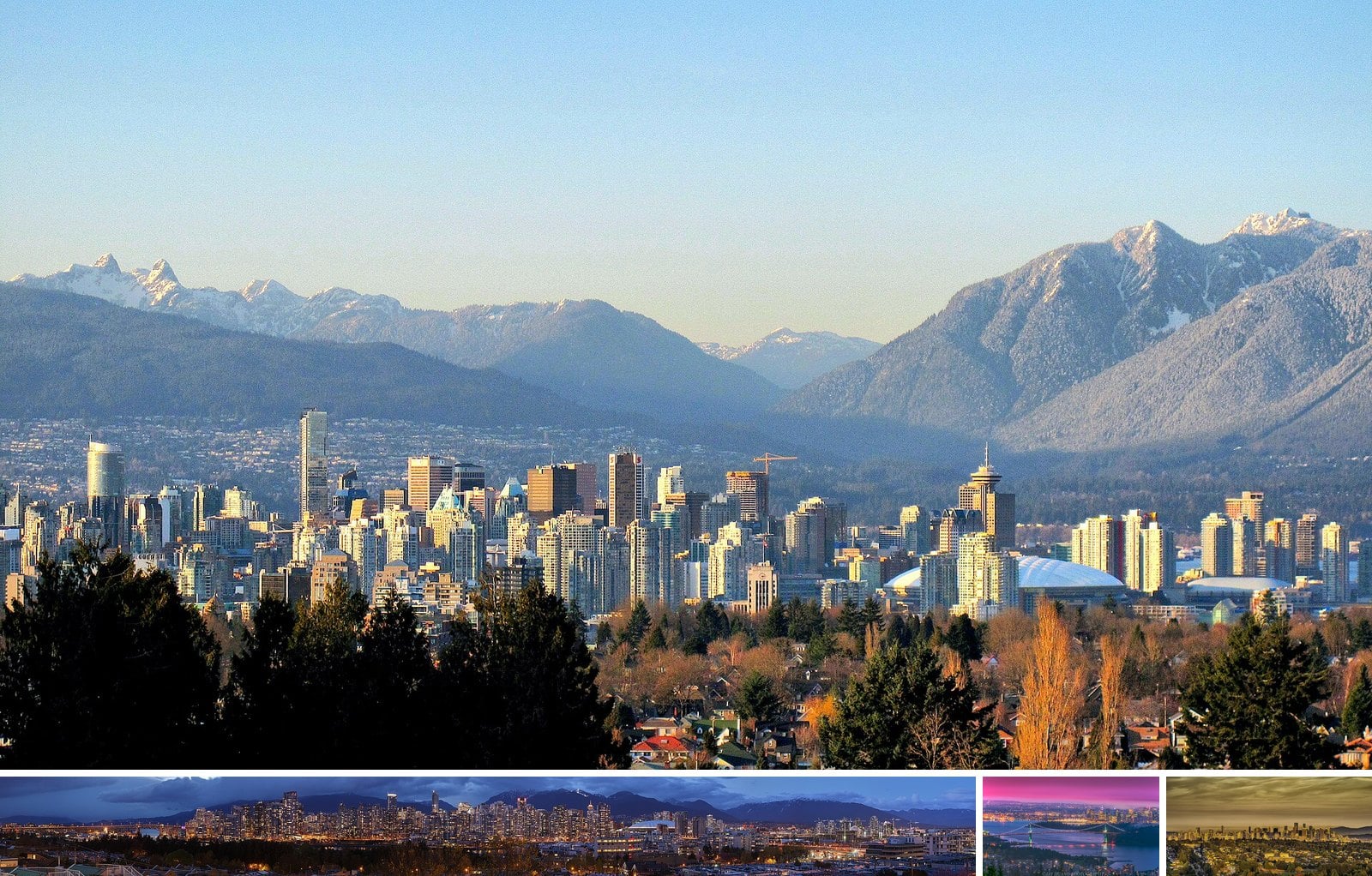
Vancouver likes to think of itself as a place people move to, not a place things come from. The record says otherwise. A protest boat that left this harbour in 1971 grew into Greenpeace, which now works in more than 55 countries. A UBC lab that started in the early 1980s built the delivery system inside the Pfizer-BioNTech COVID-19 vaccine.
This list sticks to claims that hold up. Each item is backed by an official, museum, encyclopedia or established news source. Where a claim is disputed, you’ll see that plainly. A few came from elsewhere in B.C., like the egg carton from the Bulkley Valley and the dessert from Nanaimo. We’ve kept them, because the rest of the world doesn’t make that distinction either.
For each one you get the story, why it mattered, and where you can still see it, taste it or stand on the spot where it began.
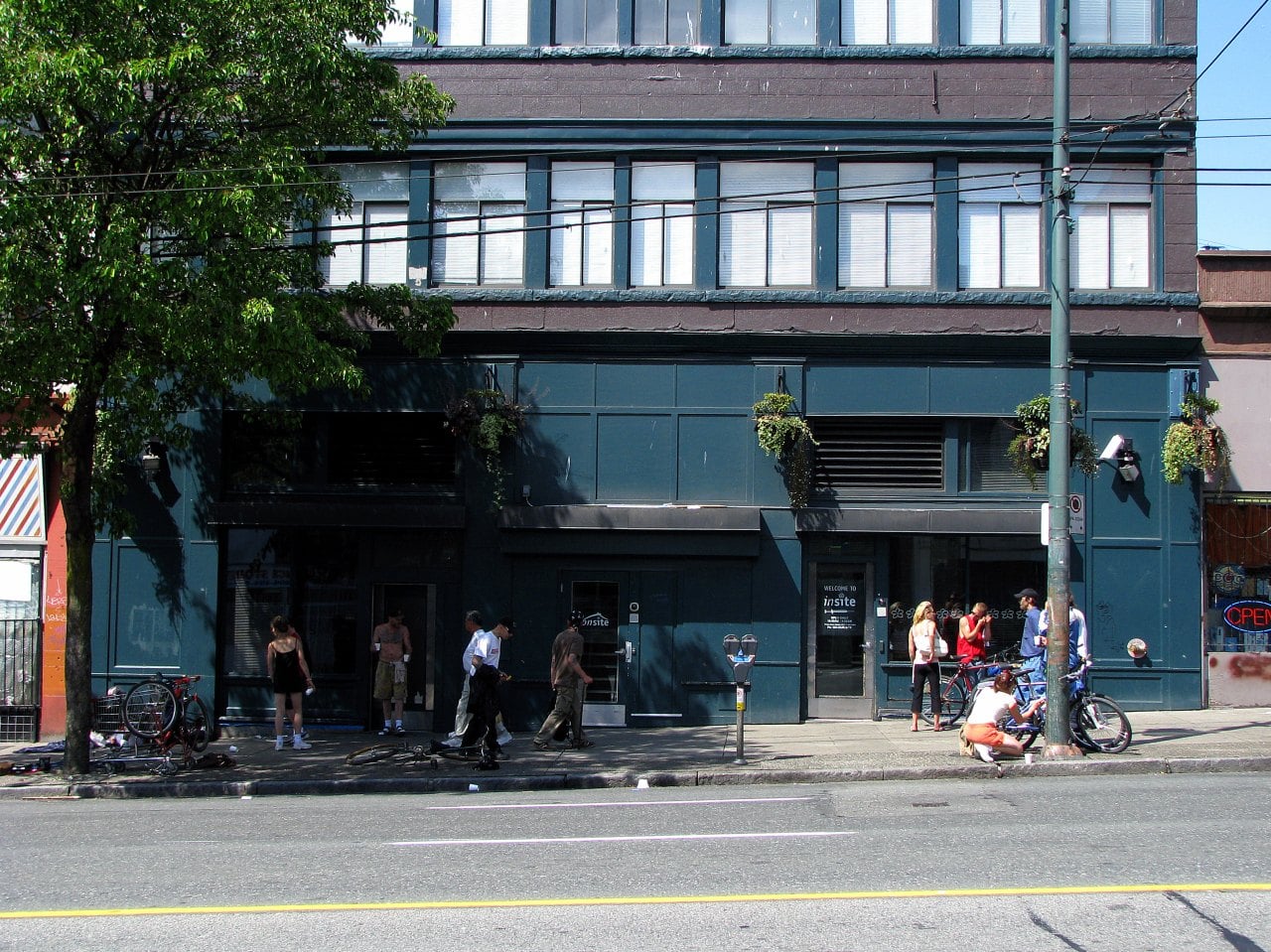
11. Insite, North America’s first legal supervised consumption site (Downtown Eastside)
Where: Downtown Eastside, Vancouver
When: Opened September 2003
Getting there: Health service, not a visitor site
Insite opened in September 2003. It was running near capacity within weeks. Vancouver Coastal Health calls it North America’s first legal supervised consumption site.
It operates under a Health Canada exemption and uses a harm-reduction approach. Between 2004, when its database was set up, and its 20th anniversary in 2023, it logged more than 2.9 million injection room visits. That model has since become a reference point for public health discussions well beyond Vancouver.
Insite is a health service for the people who use it. It is not a landmark or a stop on a walking tour, so please treat it that way.
10. The egg carton (Bulkley Valley)
Where: Bulkley Valley (Smithers area), northern B.C.
When: 1911
Getting there: Smithers is in northern B.C.; nothing to visit for this one
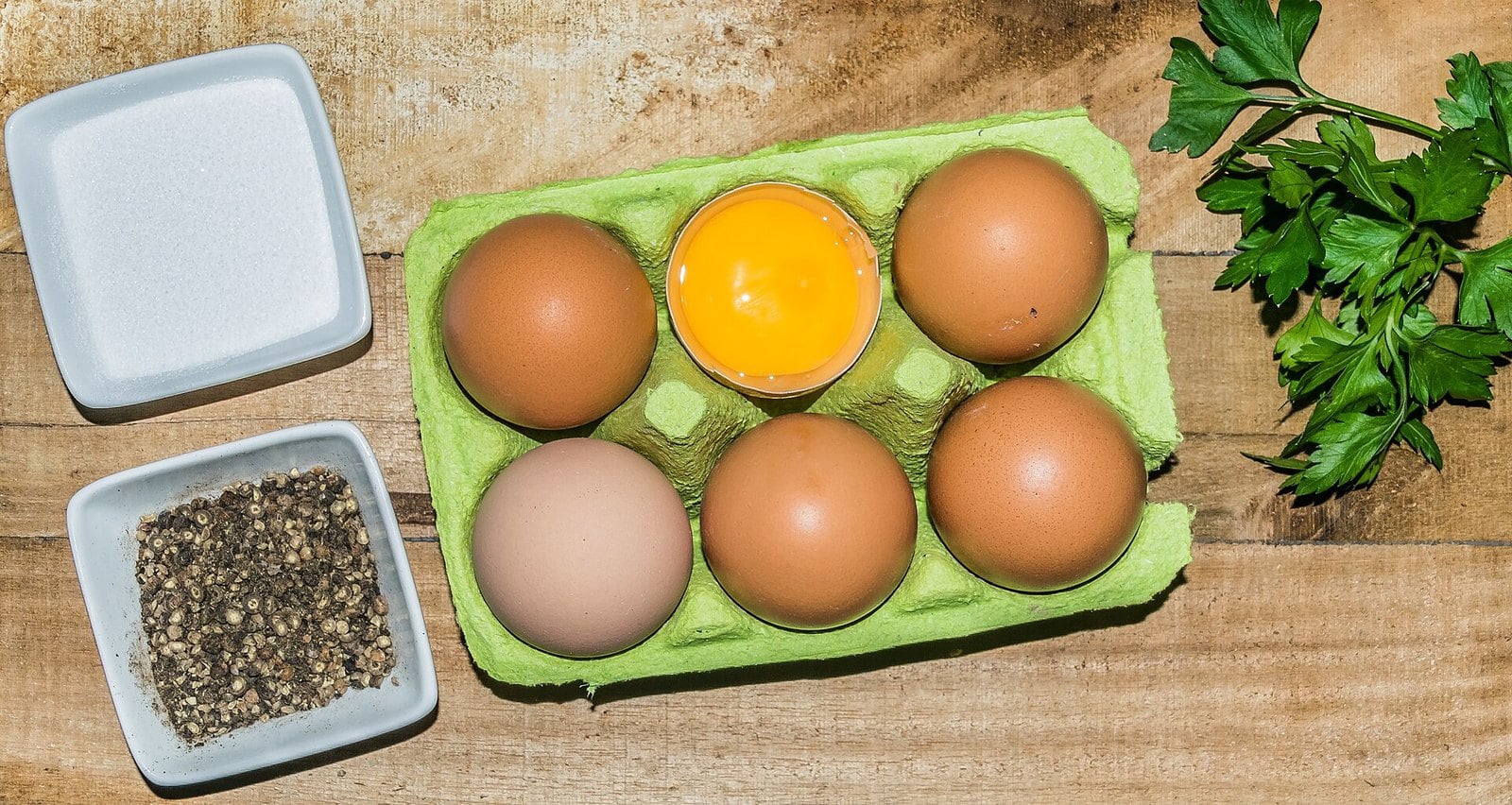
In 1911, a Bulkley Valley newspaper publisher named Joseph Coyle heard about a fight between a local farmer and a hotel. The problem was eggs that kept arriving broken. Coyle designed a paper carton that gave each egg its own cushioned pocket.
It was a small fix to a local argument, and it stuck. Coyle later sold his newspaper and set up egg carton factories in Vancouver, Toronto, Chicago and Los Angeles. The basic idea of one egg, one pocket hasn’t changed much since.
This one comes from the Smithers area in northern B.C., not the city itself. Vancouver still got a factory out of it. Next time you open a carton at the kitchen counter, you’re holding a northern B.C. invention. Vancouver Is Awesome has the backstory.
9. The Nanaimo bar (Nanaimo)
Where: Nanaimo, Vancouver Island
When: First known recipe 1952
Getting there: BC Ferries; check sailing times
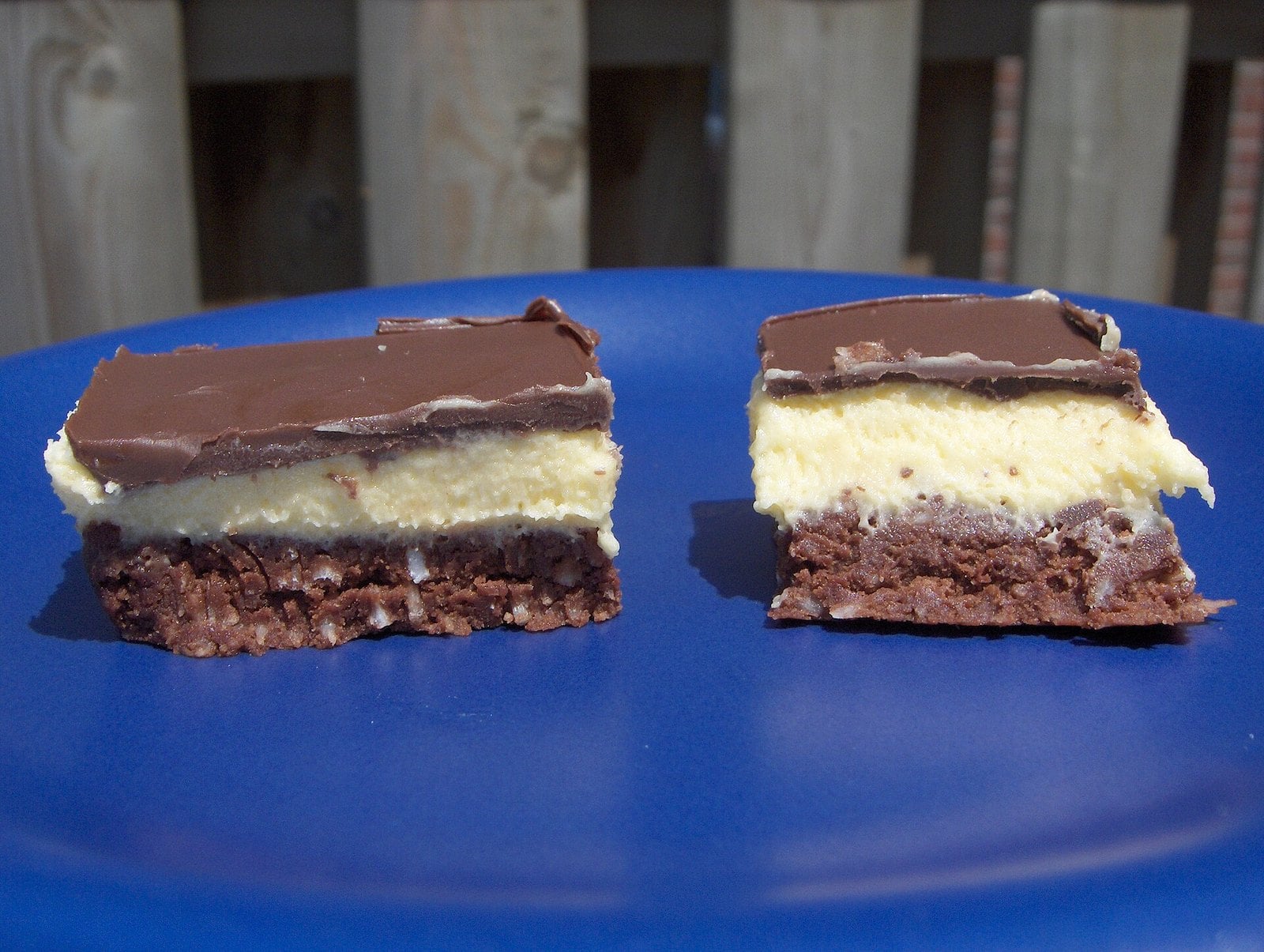
The Nanaimo bar is a no-bake dessert in three layers. There’s a crumb-and-coconut base, a custard-flavoured middle and a chocolate top. If you grew up in B.C., it probably showed up at every bake sale.
Its first known version appeared in the Women’s Auxiliary to the Nanaimo Hospital Cookbook in 1952. The Canadian Encyclopedia has the history.
It’s a BC Ferries trip from the mainland. Check sailing times before you head to the terminal.
8. The first commercial quantum computer (Burnaby)
Where: Burnaby
When: 2011 (D-Wave One); 2013 (Google and NASA purchase)
Getting there: History item
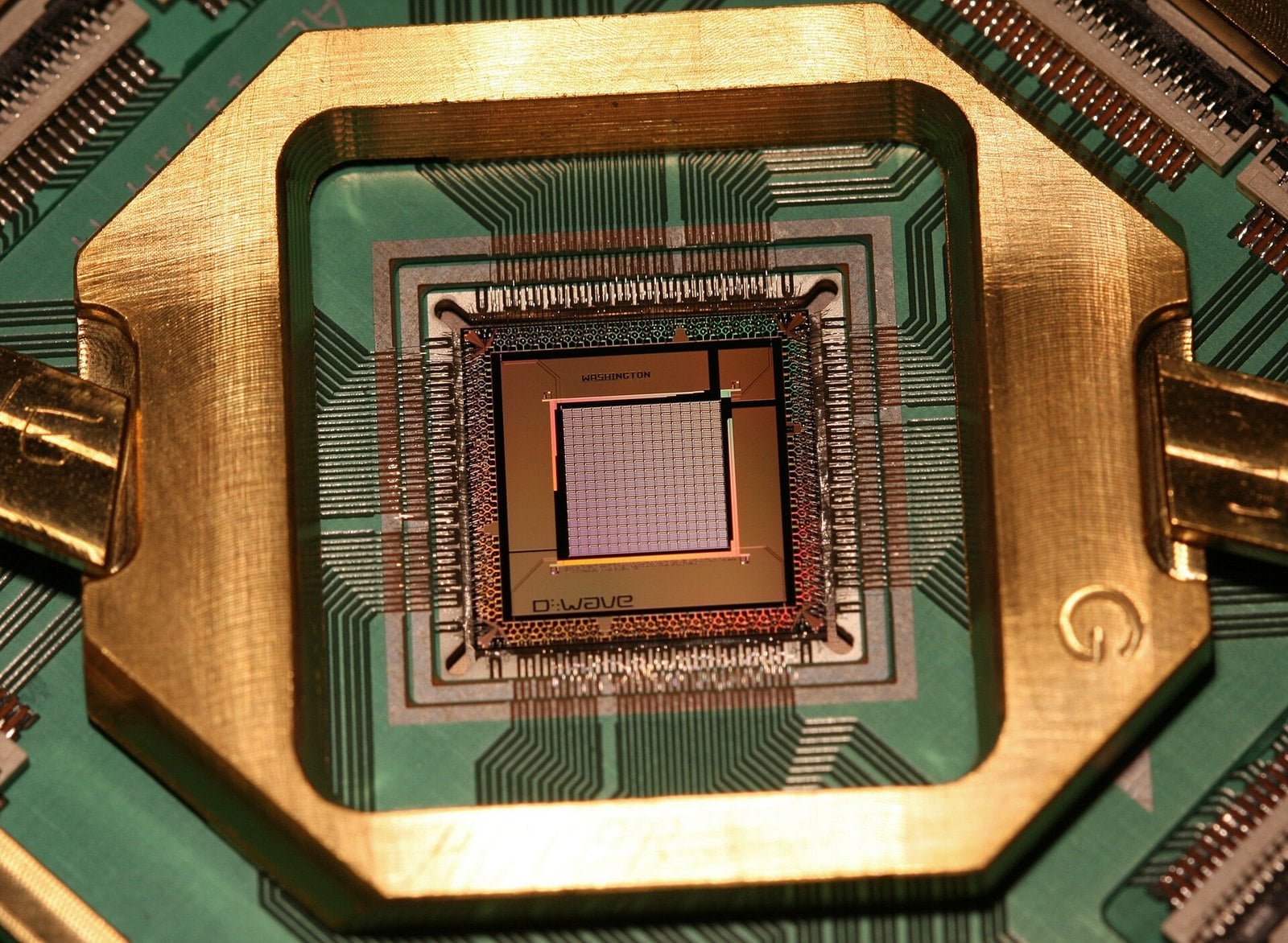
In 2011, Burnaby-based D-Wave built what it called the first commercial quantum computer, the D-Wave One. It announced the sale that year. The first buyer was Lockheed Martin, which HPCwire reported would use the machine on some of its hardest computation problems.
The wording matters here. Live Science reported that a 2014 study found D-Wave’s later machine, the D-Wave Two, was no faster than a classical computer at some tasks. So “first commercial” is the accurate claim, not “first working.”
Even with that caveat, D-Wave was first to treat quantum computing as something you could sell. That business got its start in Burnaby. HPCwire covered the original sale.
7. The ecological footprint (UBC)
Where: UBC School of Community and Regional Planning
When: Early 1990s
Getting there: History item
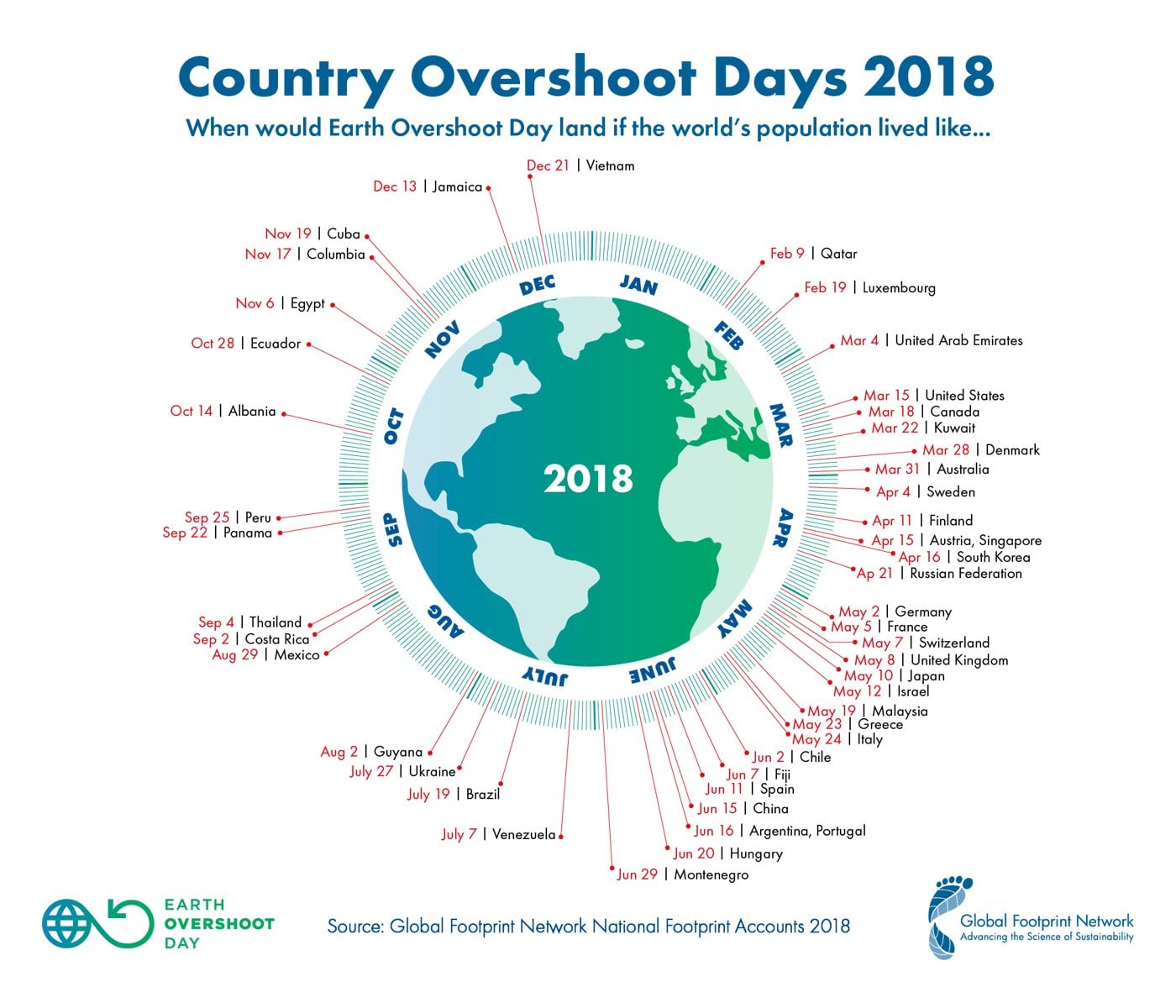
In the early 1990s, a UBC planning professor and his PhD student came up with the ecological footprint. It measures how much productive land and water a population needs to support itself. The work came out of UBC, as part of the student’s PhD research.
Why it mattered: it was the first measurement of sustainability with both hard numbers and a clear idea behind it. Before that, sustainability was mostly a feeling. After it, you could put a figure on it.
The Global Footprint Network says the idea has become a household phrase around the world. It’s the root of the everyday use of “footprint” for human impact. Every time someone mentions their carbon footprint, they’re borrowing a UBC idea.
6. Site-directed mutagenesis (UBC)
Where: UBC (Michael Smith Laboratories)
When: Nobel Prize 1993
Getting there: UBC, Point Grey campus
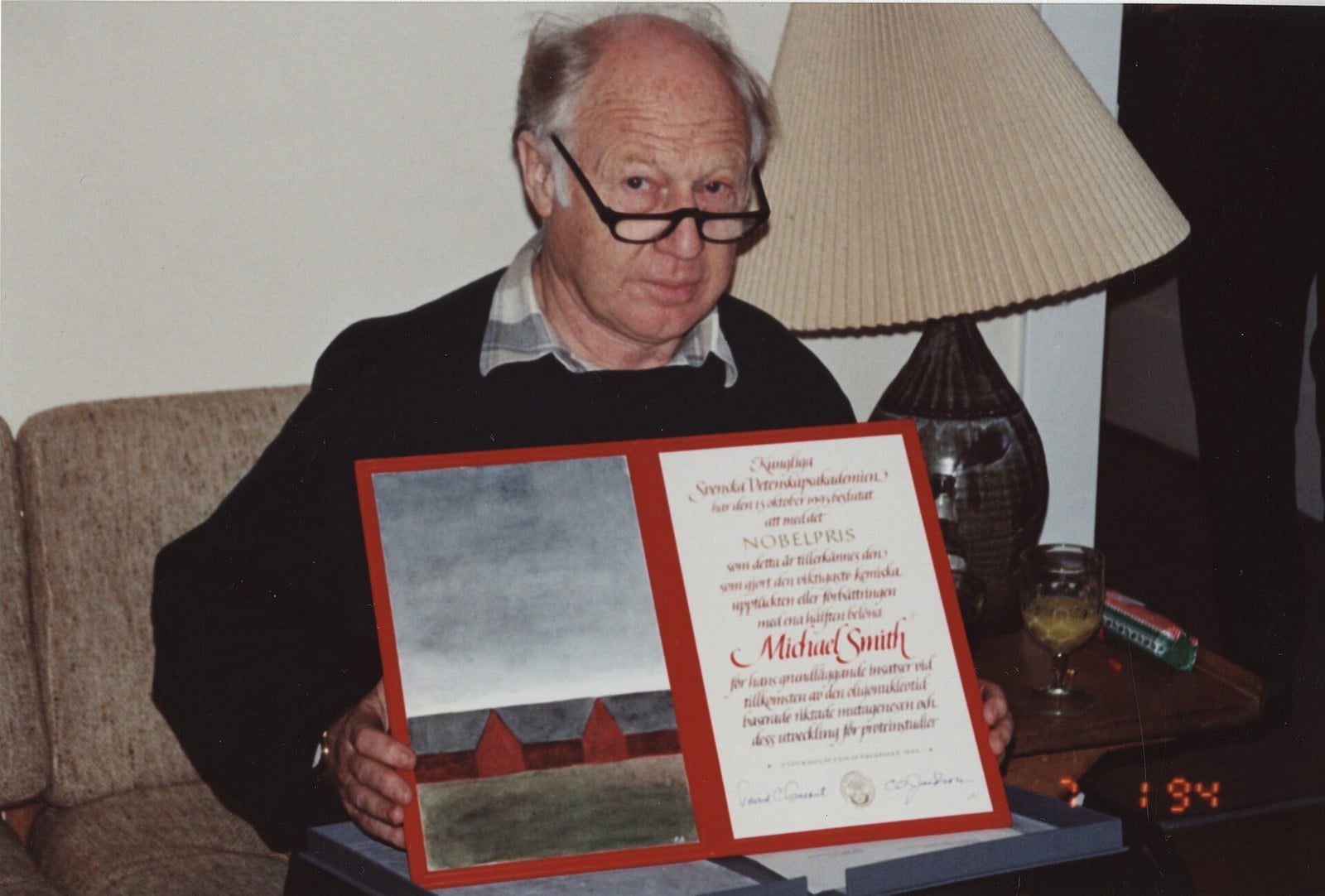
UBC biochemist Michael Smith shared the 1993 Nobel Prize in Chemistry for site-directed mutagenesis. It’s a technique for changing a specific DNA sequence on purpose.
The technique became a basic tool of genetic engineering. UBC’s Michael Smith Laboratories says it opened up whole new fields of research.
Smith gave half of his prize money to Science World and to the Society for Canadian Women in Science and Technology. So part of Science World’s funding came from a Nobel Prize, awarded the same year the fuel cell bus rolled out there. The labs at UBC now carry his name.
5. The hydrogen fuel cell bus (Burnaby and Science World)
Where: Ballard Power Systems (then in North Vancouver, now in Burnaby); unveiled at Science World, Vancouver
When: June 1993
Getting there: Science World, east end of False Creek
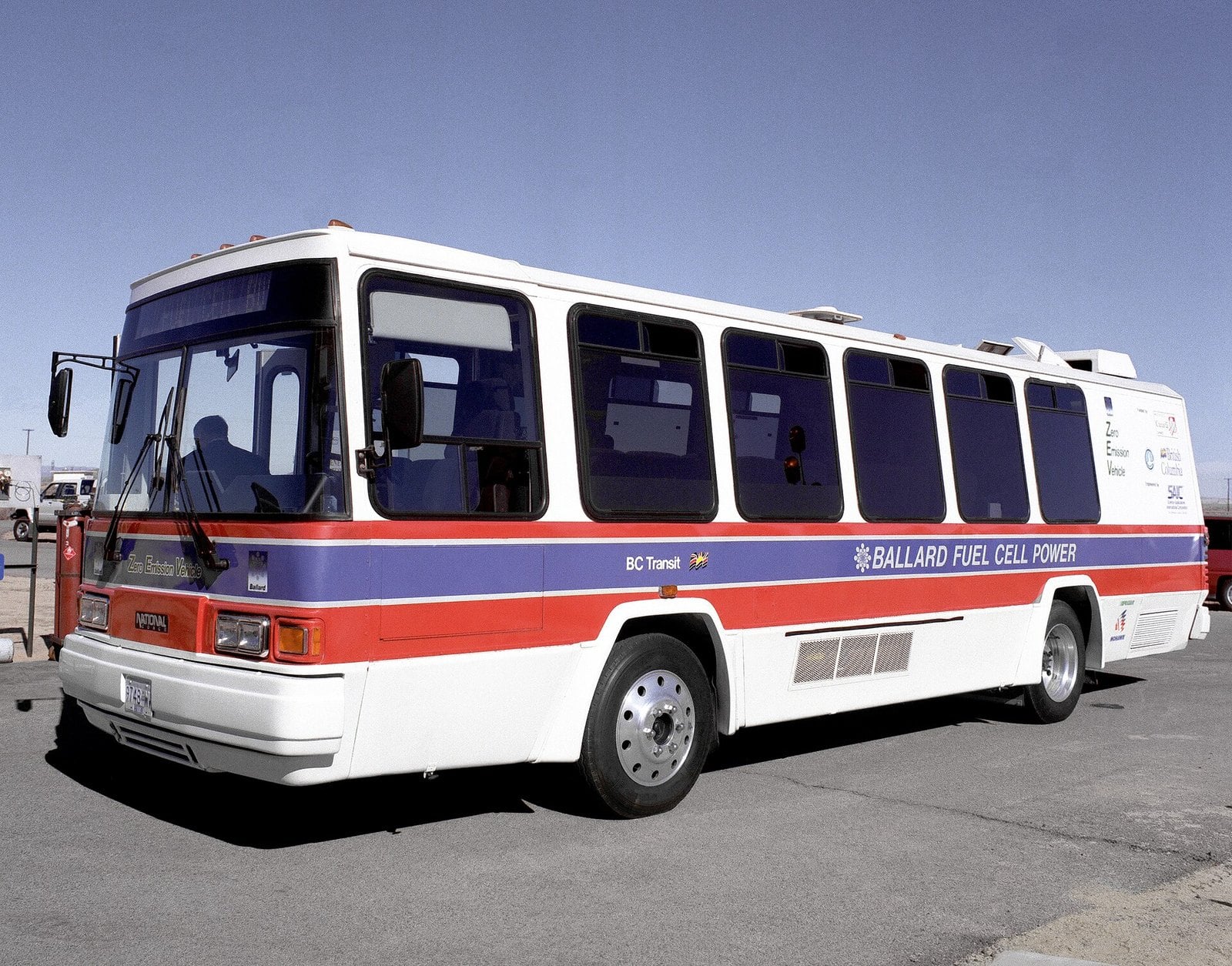
Ballard Power Systems unveiled its first fuel cell bus in Vancouver in June 1993. CBC reported the unveiling took place, with plenty of fanfare, at Science World. The bus ran on hydrogen fuel cells rather than diesel.
It didn’t stay a one-off. The Engineer reports that by the 2010 Winter Olympics, Ballard fuel cell buses formed the world’s largest fleet of their kind.
Science World sits at the east end of False Creek. If you take the kids, you can tell them the dome was the launch pad for a bus that changed transit research. It pairs well with the next item, which also ties back to Science World.
4. Modern hockey rules (Vancouver and Victoria)
Where: Vancouver and Victoria (Pacific Coast Hockey Association)
When: PCHA founded 1911
Getting there: History item
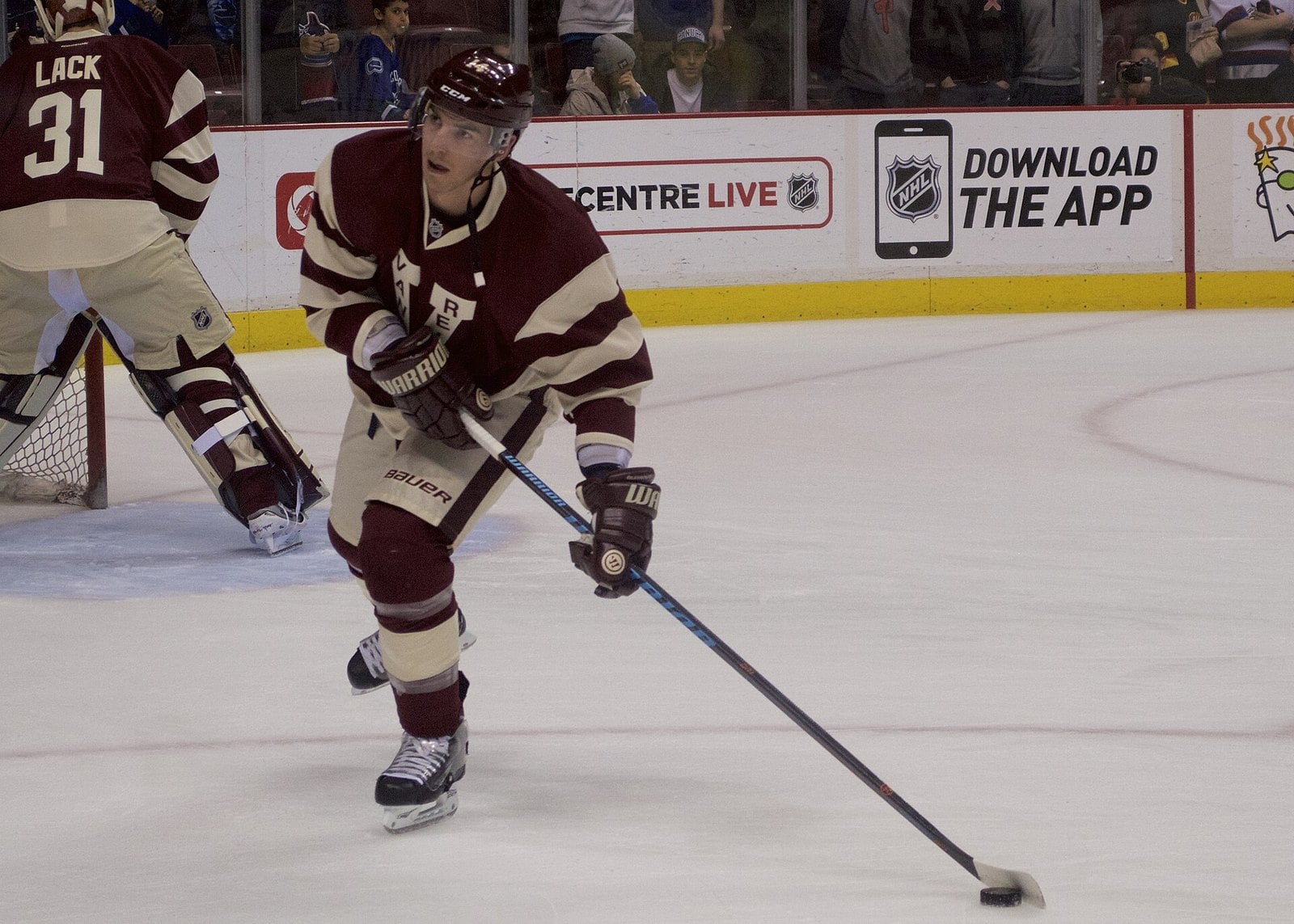
In 1911, brothers Lester and Frank Patrick started the Pacific Coast Hockey Association. They also built the first artificial ice arenas in Vancouver and Victoria. On a coast where natural ice is unreliable, that alone was a big deal.
The league’s real legacy is the rulebook. The PCHA brought in blue lines, forward passing in the neutral zone and numbers on players. All three are still part of the game. The NHL also credits the brothers with the penalty shot.
Much of what makes hockey look like hockey was worked out on the West Coast. That’s handy to know at your next Canucks game, especially when an offside call goes the wrong way.
3. Lipid nanoparticles in mRNA vaccines (UBC)
Where: UBC, Point Grey campus; Acuitas Therapeutics, Vancouver
When: Team formed early 1980s; Acuitas founded 2009; vaccines 2020 and 2021
Getting there: History item; UBC Point Grey campus
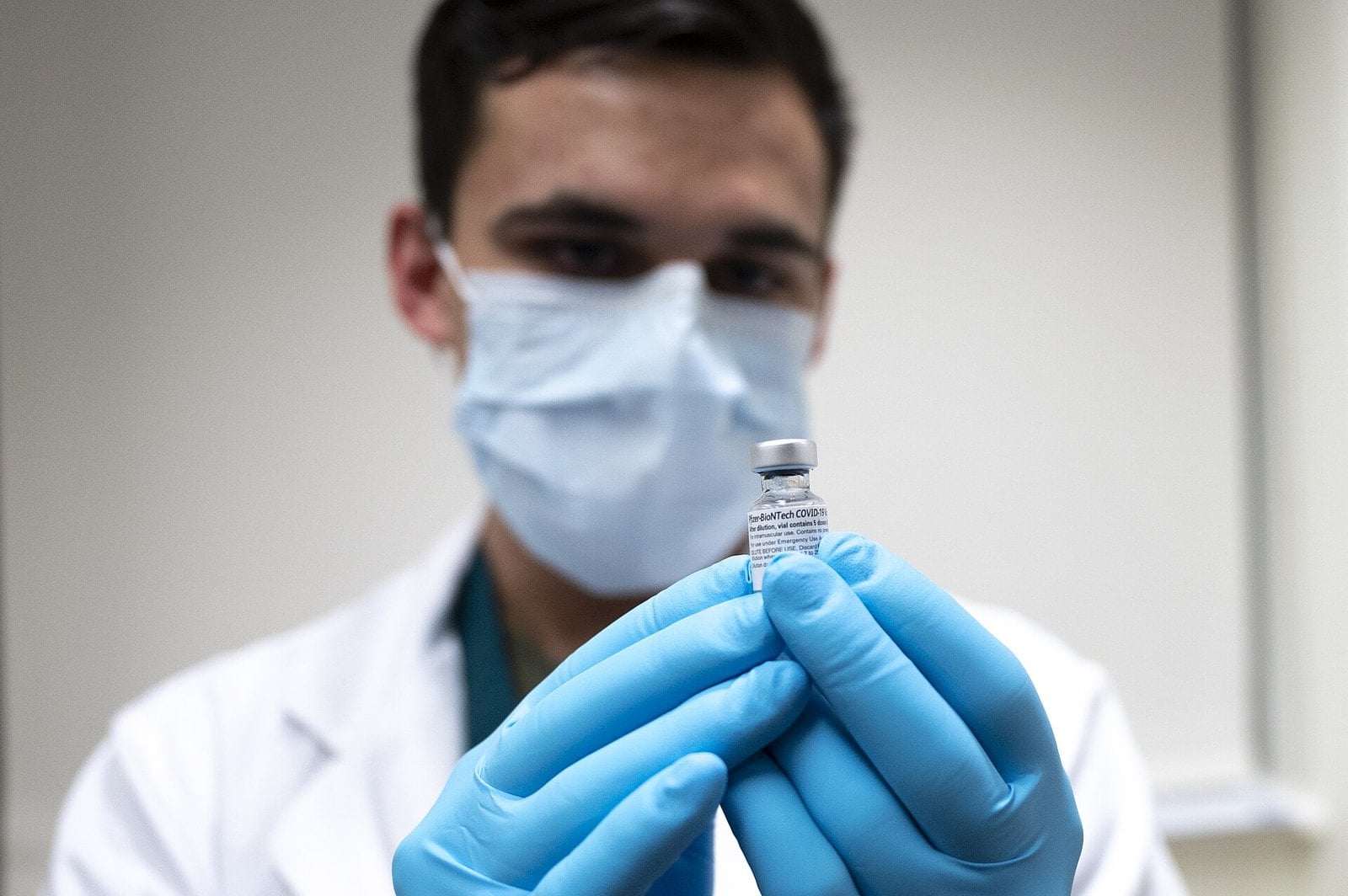
Lipid nanoparticles are tiny fat bubbles. They protect fragile genetic material and carry it into cells. A UBC research team formed in the early 1980s in the lab of Dr. Pieter Cullis spent decades developing them.
In 2009 the team launched a UBC spin-off, Acuitas Therapeutics, in Vancouver. Acuitas developed the lipid nanoparticle technology that lets the Pfizer-BioNTech mRNA vaccine enter human cells. The Globe and Mail reported that Moderna’s vaccine used its own lipid nanoparticle, while the Pfizer-BioNTech vaccine relied on the Acuitas system.
That’s a long timeline for an overnight story. The vaccines arrived in 2020 and 2021, built on roughly four decades of slow work that began in a lab on the Point Grey campus. If you got a Pfizer-BioNTech COVID shot, part of what went into your arm was developed at UBC.
2. The California roll, as claimed by Tojo’s (Fairview)
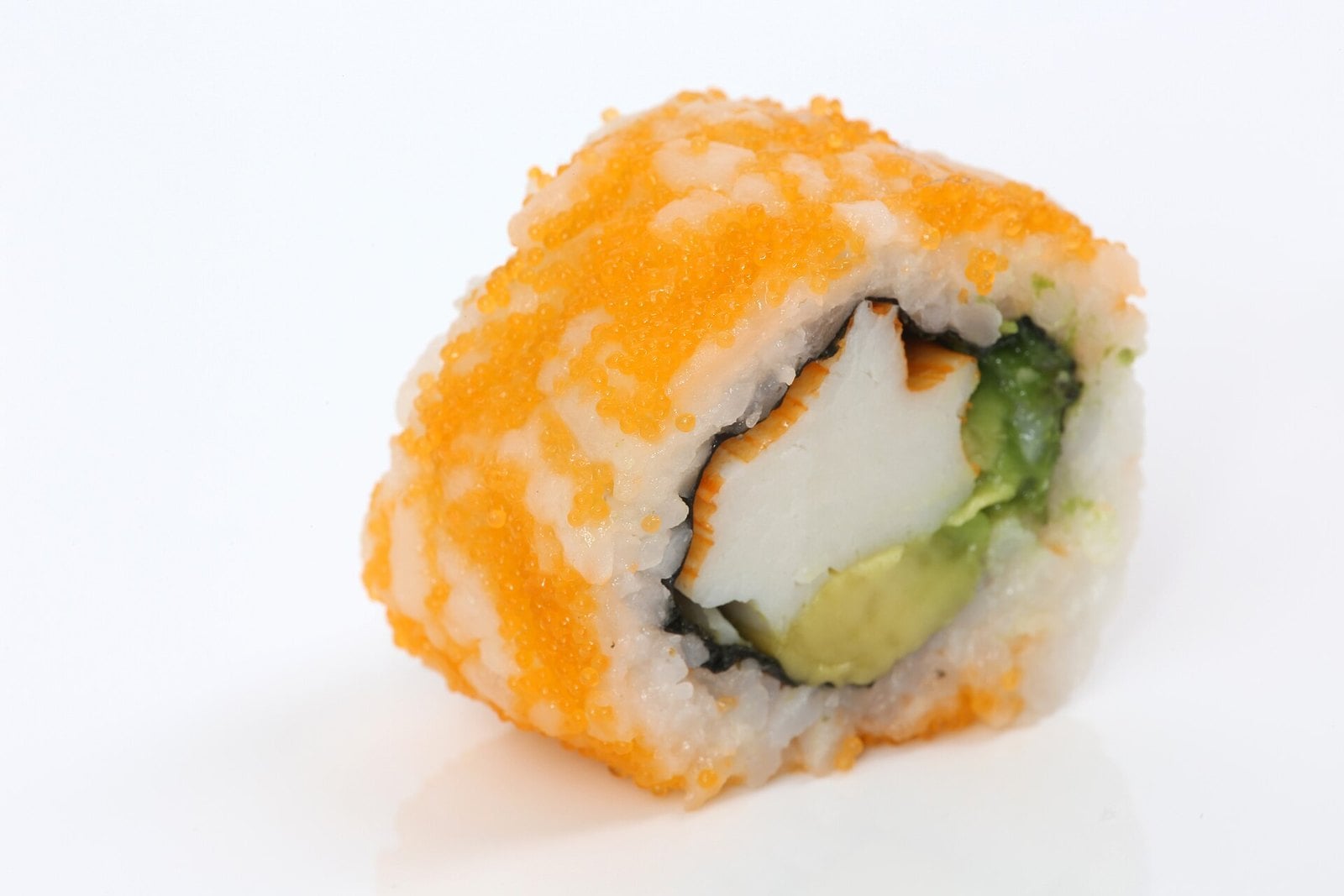
Where: Tojo’s Restaurant, 1133 West Broadway, Fairview
When: 1970s; one official page lists Tuesday to Saturday from 5 p.m., last seating 8 p.m. (confirm first)
Cost: Pricing not verified
Getting there: 1133 West Broadway, Vancouver
Chef Hidekazu Tojo’s restaurant says his inside-out Tojo Roll is the dish the world now calls the California roll. Who invented the California roll is disputed. Treat this as Tojo’s documented claim, not a closed case.
Tojo settled in Vancouver in 1971, and the restaurant describes the dish as the “Inside out” Tojo Roll, with the rice on the outside. The restaurant also credits him with the BC Roll (barbecued salmon skin), the Rainbow Roll and the Spider Roll.
You can still eat at the source. Tojo’s is at 1133 West Broadway. One official page lists Tuesday to Saturday from 5 p.m., with last seating at 8 p.m. The restaurant’s own pages don’t fully agree on hours, so check Tojo’s contact page and book ahead.
1. Greenpeace (Vancouver)
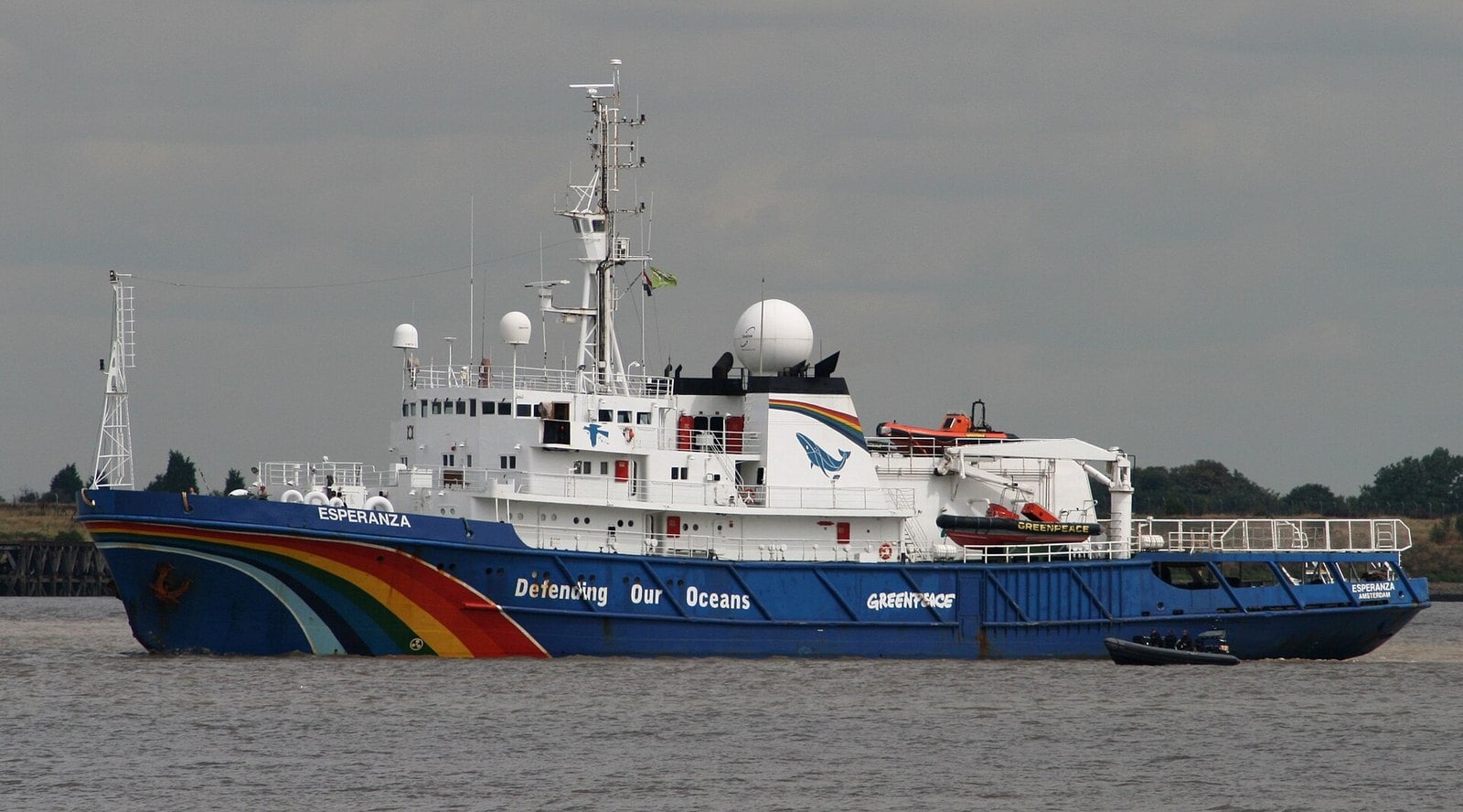
Where: Departed Vancouver; funded by a concert at the Pacific Coliseum, Hastings Park
When: Voyage departed September 15, 1971
Getting there: The Pacific Coliseum in Hastings Park still hosts events
On September 15, 1971, a group of Vancouver activists sailed an old halibut boat, the Phyllis Cormack, toward Amchitka Island in Alaska. They meant to protest a U.S. underground nuclear test. The boat never reached the island; it was intercepted and turned back. The U.S. set off the blast anyway.
The trip worked regardless. The public uproar was big enough that the U.S. cancelled all future nuclear tests in Alaska. The group, then called the Don’t Make a Wave Committee, became Greenpeace. Today Greenpeace is a network of independent national and regional organizations in more than 55 countries.
The voyage was paid for by a benefit concert at the Pacific Coliseum in Hastings Park. About 16,000 people filled the arena. The Coliseum still hosts events, so the next time you’re at something on the PNE grounds, you’re sitting where it started. Greenpeace has a full account of the founding voyage.
Where you can still see or taste it
- California roll: Tojo’s, 1133 West Broadway. One official page lists Tuesday to Saturday from 5 p.m., last seating 8 p.m. Other official pages differ, so confirm the hours and book ahead.
- Fuel cell bus and the Nobel connection: Science World, at the east end of False Creek, is where Ballard’s first fuel cell bus was unveiled in 1993. It also received a share of Michael Smith’s Nobel Prize money.
- Greenpeace: the Pacific Coliseum in Hastings Park, where the benefit concert paid for the first voyage, still hosts events.
- Nanaimo bar: Nanaimo promotes a tasting trail of local versions.
Getting there
- Tojo’s is on West Broadway in Fairview.
- Science World sits at the east end of False Creek.
- The Pacific Coliseum is in Hastings Park.
- UBC’s Point Grey campus is home to the Michael Smith Laboratories.
- Nanaimo is a BC Ferries trip from the mainland. Check sailing times before you leave so you’re not stuck waiting at the terminal.
Safety and respect
Insite is a public health facility, not a landmark. Don’t treat it as a place to visit or photograph. It serves people who need it, and that’s the whole point of including it here.
Getting the claims right
- The California roll’s origin is disputed. Tojo’s claim is documented, but it isn’t the only one.
- D-Wave built the first commercial quantum computer. A 2014 study found its later D-Wave Two machine was no faster than a classical computer at some tasks.
- The egg carton and the Nanaimo bar are B.C. inventions rather than Vancouver ones, though both have Vancouver ties.
| Item | Started | How far it went |
|---|---|---|
| Greenpeace | Vancouver, 1971 | Independent organizations in more than 55 countries |
| Egg carton | Bulkley Valley, 1911 | Factories in Vancouver, Toronto, Chicago and Los Angeles |
| Hockey rules | PCHA, Vancouver and Victoria, 1911 | Blue lines, forward passing and player numbers still in use |
| Lipid nanoparticles | UBC, early 1980s | Delivery system in the Pfizer-BioNTech COVID-19 vaccine |
| Fuel cell bus | Science World, 1993 | World’s largest fleet of its kind by the 2010 Winter Olympics |
| Site-directed mutagenesis | UBC | 1993 Nobel Prize; a basic tool of genetic engineering |
| Quantum computer | Burnaby, 2011 | Second-generation machine bought by Google and NASA in 2013 |
| Insite | Downtown Eastside, 2003 | More than 2.9 million injection room visits in 20 years |
Most of these didn’t arrive with a ribbon cutting. A broken-egg dispute, a protest boat that missed its target and a lab that worked for decades before anyone outside science noticed all turned into things the world uses daily. Next time someone says Vancouver is just a pretty place to live, you have a few counterexamples. Start with the eggs in your fridge.
Get the weekend plan in your inbox. Burrard Bulletin is a free email on what’s actually on from Vancouver to Whistler. Sign up here.
Photo credits
- Vancouver Skyline and Mountains.jpg by Kyle Pearce/ DIY Genius, CC BY-SA 2.0 (combined into a montage, cropped). Via Wikimedia Commons.
- Vancouver dusk pano.jpg by Mfield, Matthew Field, http://www.photography.mattfield.com, CC BY-SA 3.0 (combined into a montage, cropped). Via Wikimedia Commons.
- Vancouver Skyline – Flickr – Jaykhuang.jpg by Jay Huang from Pleasanton, USA, CC BY 2.0 (combined into a montage, cropped). Via Wikimedia Commons.
- Vancouver Skyline Under the Morning Sunshine1.jpg by David Zhang, CC BY-SA 2.0 (combined into a montage, cropped). Via Wikimedia Commons.
- Greenpeace ship "Esperanza" off Gravesend.jpg by Glen from United Kingdom, CC BY 2.0 (resized; cropped for the featured image). Via Wikimedia Commons.
- California Sushi mit Kaviar (26545022496).jpg by Tim Reckmann from Hamm, Deutschland, CC BY 2.0 (resized). Via Wikimedia Commons.
- Egg cartons with chicken eggs 02.jpg by Krzysztof Golik, CC BY-SA 4.0 (resized). Via Wikimedia Commons.
- Pfizer-BioNTech COVID-19 vaccine (2020) B.jpg by U.S. Secretary of Defense, Public domain (resized). Via Wikimedia Commons.
- 2018-Country-Overshoot-Days.jpg by Footprint123, CC BY-SA 4.0 (resized). Via Wikimedia Commons.
- Alex Burrows Millionaires 2.jpg by Harold Cecchetti, CC BY-SA 4.0 (resized). Via Wikimedia Commons.
- D-Wave-Washington-1000Q.jpg by Mwjohnson0, CC BY-SA 4.0 (resized). Via Wikimedia Commons.
- Controversial Safe Injection Site.jpg by Name invalid, Public domain (resized). Via Wikimedia Commons.
- Nanaimo bar.JPG by Stephanie Spencer, CC BY 2.5 (resized). Via Wikimedia Commons.
- Fuel Cell Powered Bus (EC95-42937-1).jpg by NASA Armstrong Flight Research Center / NASA, Public domain (resized). Via Wikimedia Commons.
- Michael Smith party at Mary Vickers’s house.1994, F-109-7-0-0-10 001.jpg by SCWIST Society for Canadian Women in Science and Technology, CC BY-SA 4.0 (resized). Via Wikimedia Commons.