25 Things Every Vancouver Kid Did During Summer in the 1980s (You’ll Remember Them All)
Summer vacation in British Columbia during the 1980s had its own rhythm. School let out in June, and suddenly every day felt like a blank canvas.
Growing up in BC back then meant certain summer traditions just happened, shaped by the landscape and culture. Families filled those long, sunny days with whatever was nearby and cheap—or free.
25. Traded stickers and Garbage Pail Kids cards
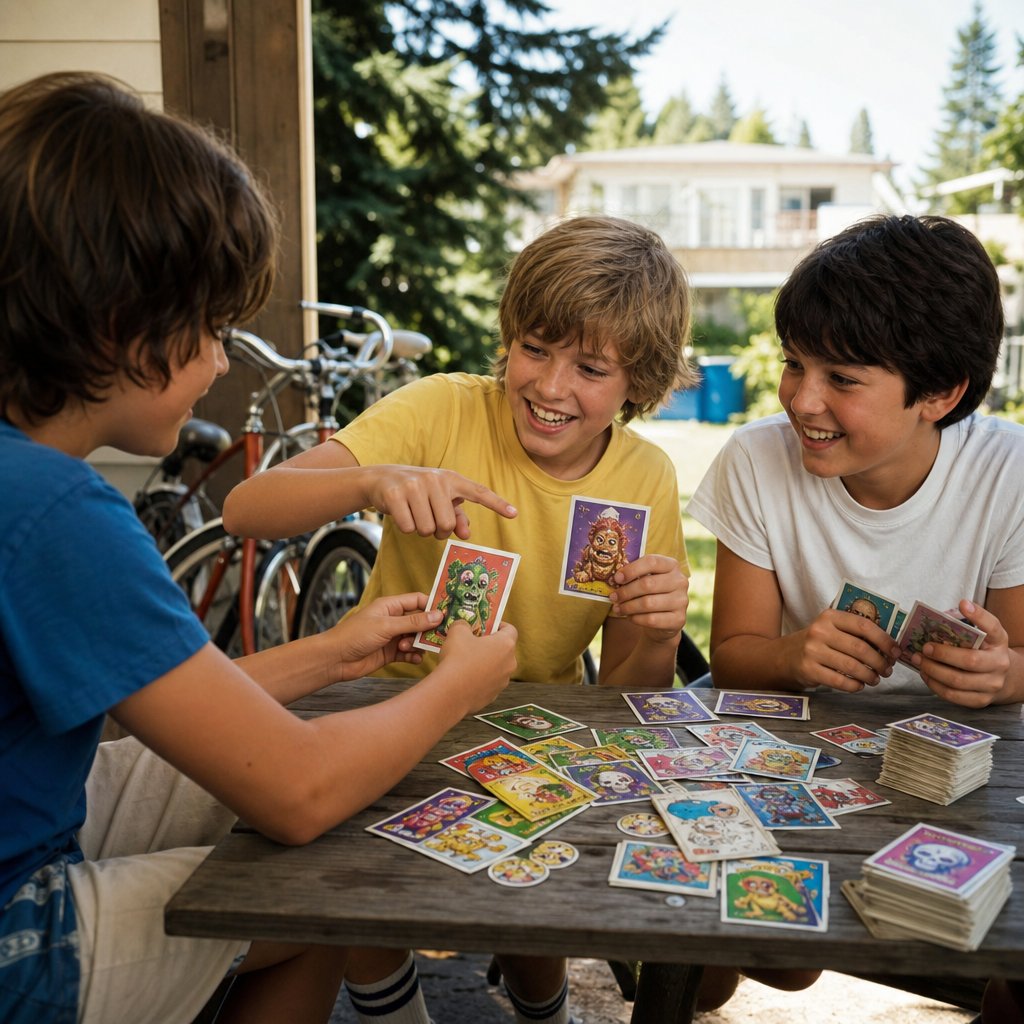
BC kids in the ’80s spent loads of afternoons swapping stickers and Garbage Pail Kids cards. Corner stores sold packs for pocket change, so even a little allowance went a long way.
Collections lived in shoeboxes, binders, or those sticky-paged albums. Duplicates were gold, and trading sessions on a porch could last ages.
Playground trading got intense. Kids spread their cards out on the grass and haggled, sometimes roping in a friend to help bargain.
A rare card could make you a playground legend for a day. Some collections got handed down, others vanished forever—lost on a bus or ruined by rain. Either way, everyone remembers flipping through a stack, hunting for that one missing card.
24. Joined a neighbourhood street hockey game
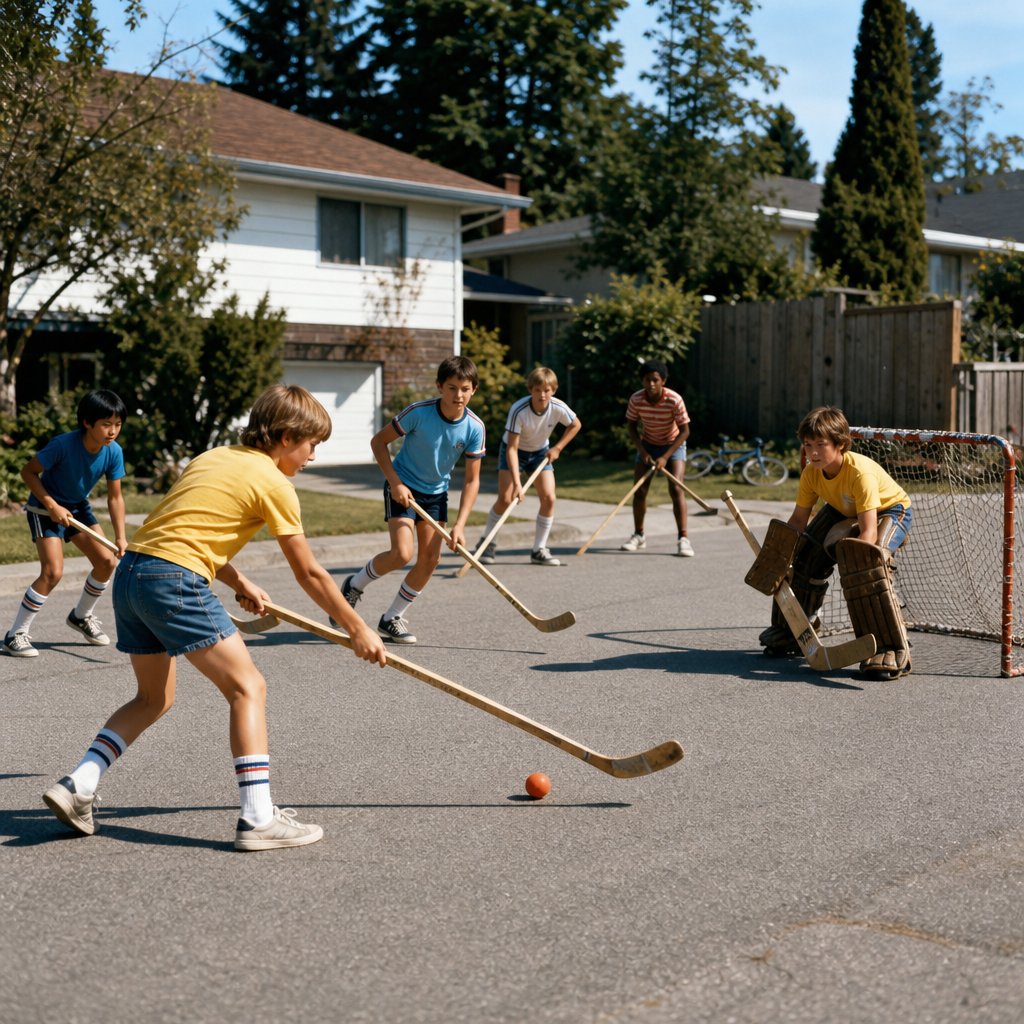
Word got out, and suddenly every kid on the block grabbed a stick and ran outside. Someone’s driveway or a quiet cul-de-sac turned into a rink.
Teams got picked on the spot. No official rosters, just whoever showed up.
Younger siblings usually ended up in net, just to keep them busy. A tennis ball or that hard orange ball did the trick—nobody wanted broken windows.
Rules changed as the game went. Slap shots above the waist? That was a no-go, everyone knew it.
Whenever a car came, someone yelled “car!” and everyone scrambled to pull the nets aside. It happened so often nobody even stopped chatting.
Skill didn’t matter much. Some kids had moves, others just ran around. Games lasted until it got dark or someone’s mom insisted they come in for dinner.
23. Spent afternoons at the community centre
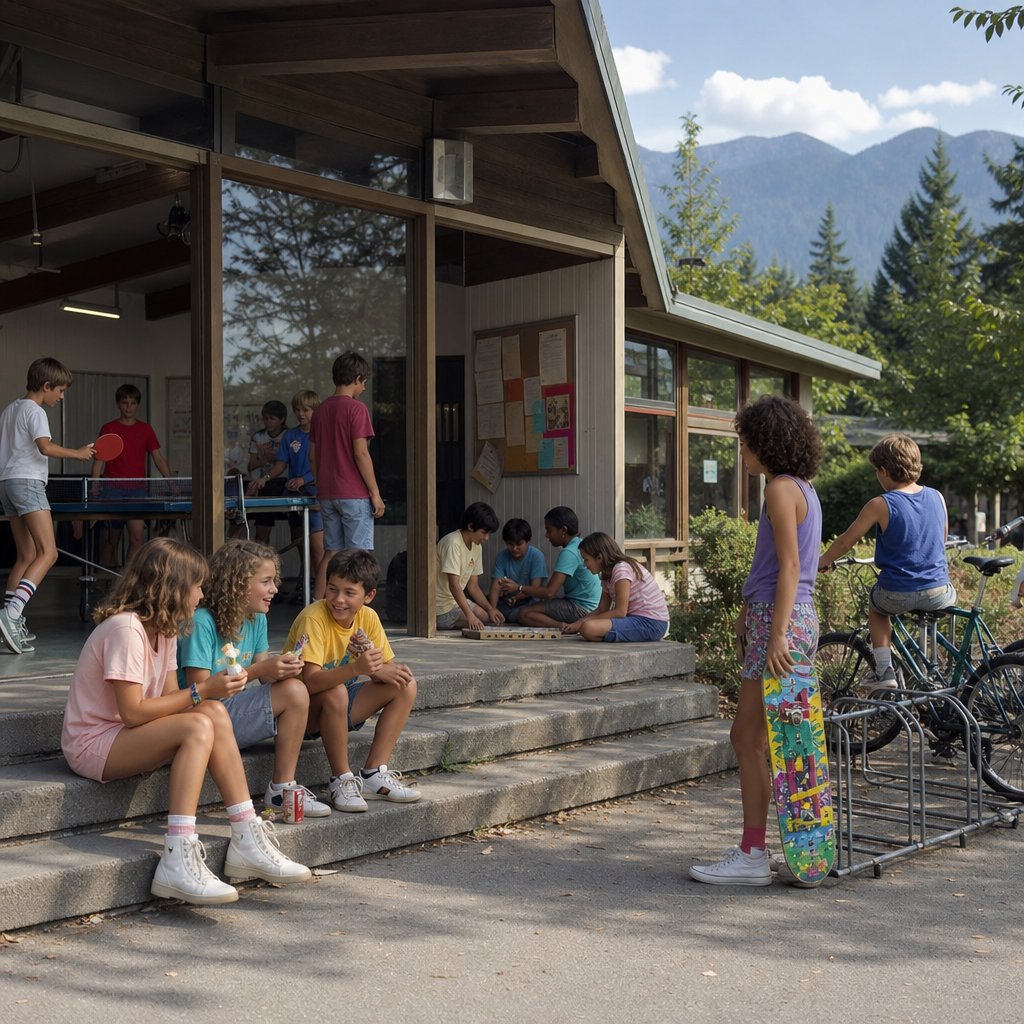
Every town had a community centre, and every kid ended up there sooner or later. It was the perfect escape from the heat and boredom.
Drop-in programs ran all day. Kids wandered in whenever, no sign-up needed.
Ping pong and foosball tables were always busy. Winners stayed on; losers waited their turn.
Some centres had pool tables, but teenagers usually claimed those. Arts and crafts happened in the corner, overseen by a summer student handing out supplies.
Kids made lanyards, painted rocks, or just glued stuff together. It didn’t matter if the results looked good—nobody cared.
Gymnasiums hosted floor hockey, basketball, and dodgeball. Staff kept things moving and made sure everyone got a turn.
Some centres had reading corners or battered old couches for a quiet break. Others just had a shady spot to cool off.
The snack bar sold freezies, chips, and pop for cheap. Kids counted their coins, knowing allowance only stretched so far.
Community centres were where friend groups met up. Kids from different schools crossed paths and sometimes became friends for life.
22. Played mini-golf with friends
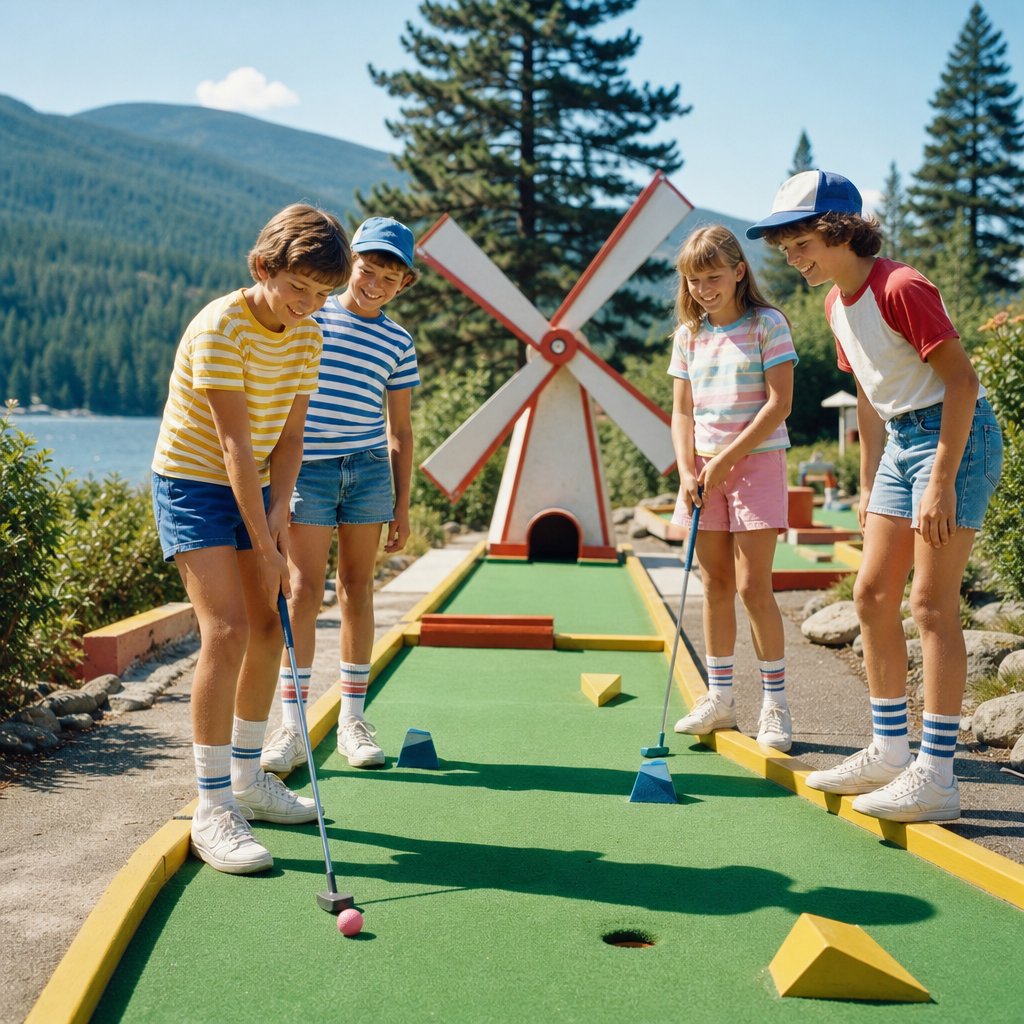
Mini-golf courses were everywhere in BC during the ’80s. Kids couldn’t wait to try their luck, whether in Kelowna or some tiny coastal town.
Most places had goofy themes—windmills, castles, pirate ships. Getting the ball through those obstacles was half the fun.
A trip to mini-golf usually ended with ice cream or a soda. It was more about hanging out and laughing than keeping score.
Some courses had arcades nearby. That just made the whole outing even better.
21. Rode the Playland amusement rides
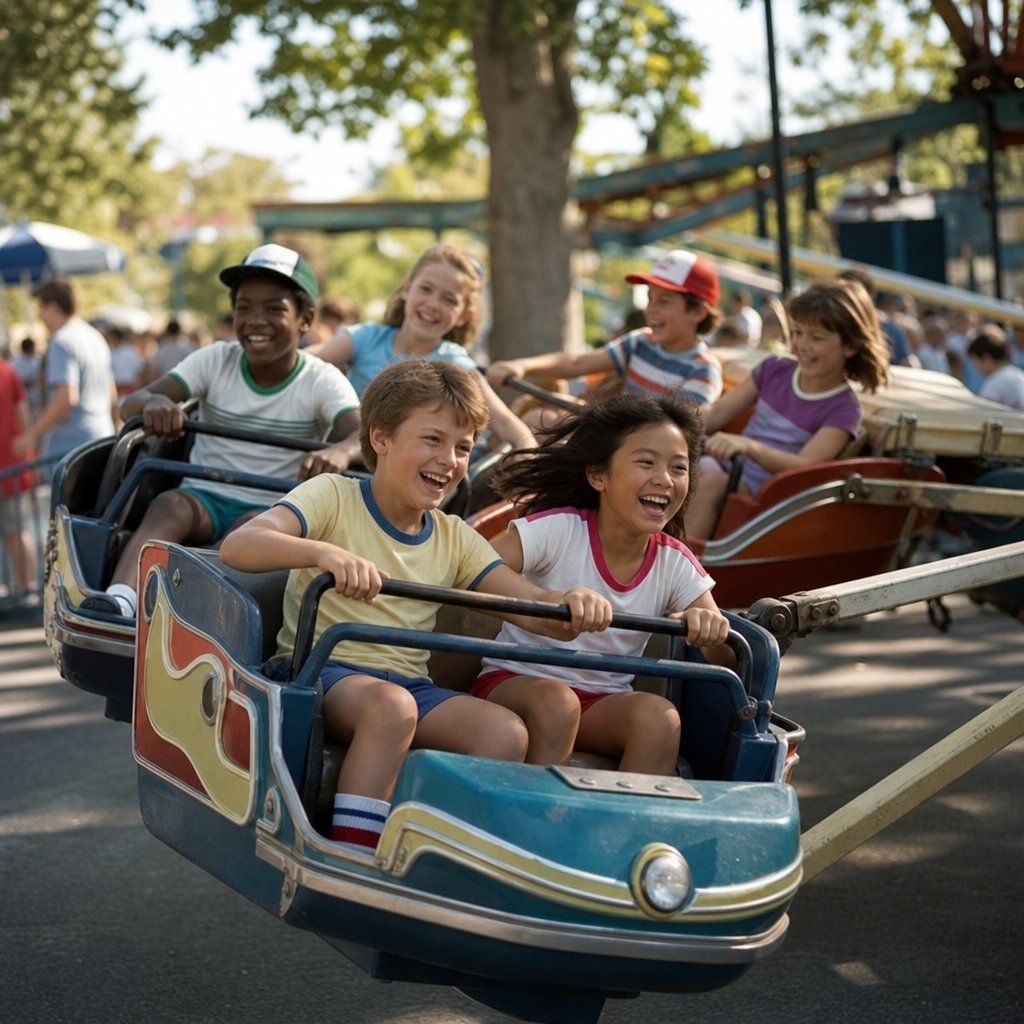
Every Vancouver-area kid knew Playland at the PNE. Summer wasn’t complete without at least one trip there.
The Coaster was legendary—loud, rickety, and just scary enough. Kids lined up again and again for that first drop.
The Corkscrew flipped you upside down, and bumper cars let you crash into your siblings without getting grounded. Little kids stuck to the carousel or kiddie rides, while teens tried to look cool on the big stuff.
Ride tickets were precious. Kids counted and traded them, always trying to stretch them for one more ride.
The midway games offered cheap prizes that never looked as good at home. Mini donuts and cotton candy were required eating, even if you ended up sticky and sunburned.
By the end of the day, everyone was exhausted. Didn’t stop anyone from begging to go back next week.
20. Visited the PNE
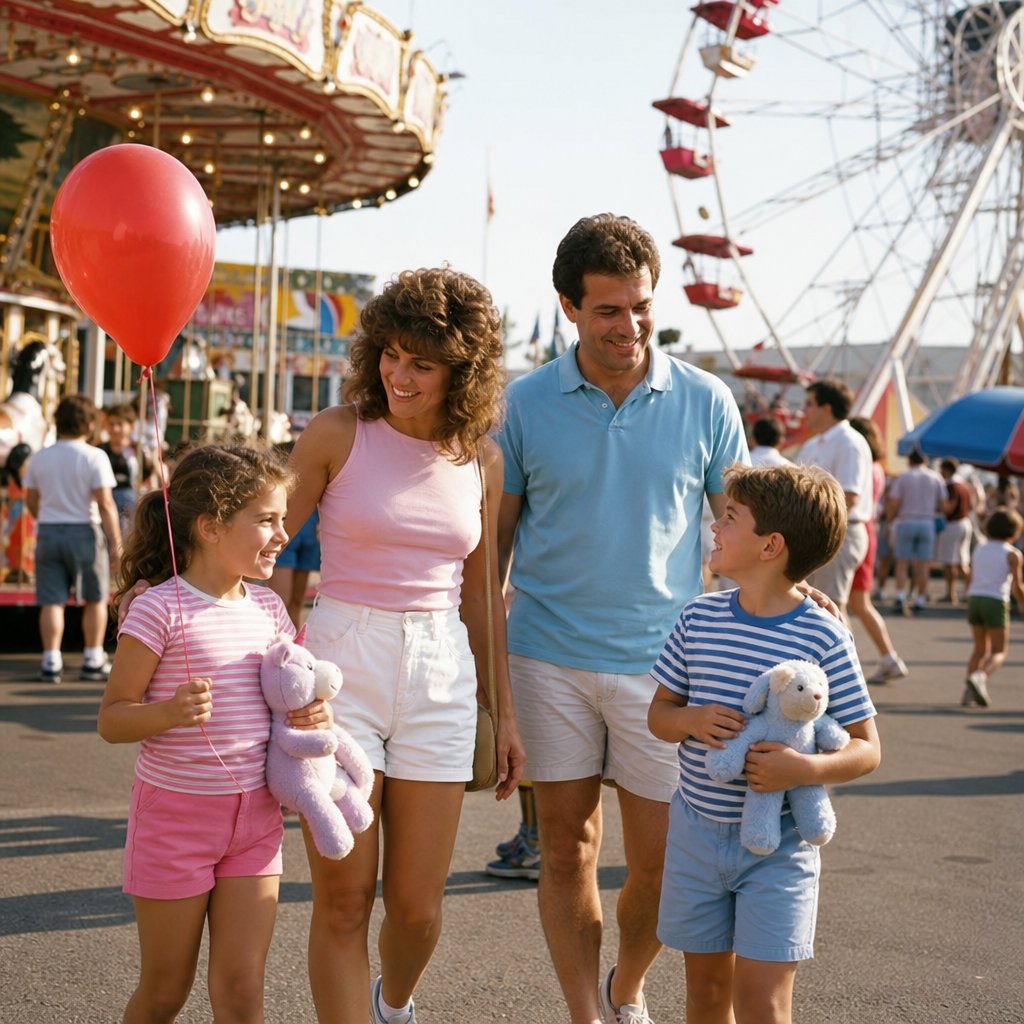
Every August, families flocked to Hastings Park for the Pacific National Exhibition. For BC kids, it meant summer was almost over.
The Playland midway was the main attraction. Rides like the Corkscrew and the wooden coaster delivered plenty of thrills.
Midway games tempted everyone with stuffed animals, though most kids left with just a tiny trinket. Still, trying was half the fun.
The Superdogs show was a must-see. Watching dogs leap and race around gave everyone a break from the chaos.
Mini donuts were the real highlight for a lot of kids. That smell—hard to resist, honestly.
For many families, the PNE was about more than rides. It was a full day together, outdoors, making memories that stuck around long after September started.
19. Picked blackberries along rural roads
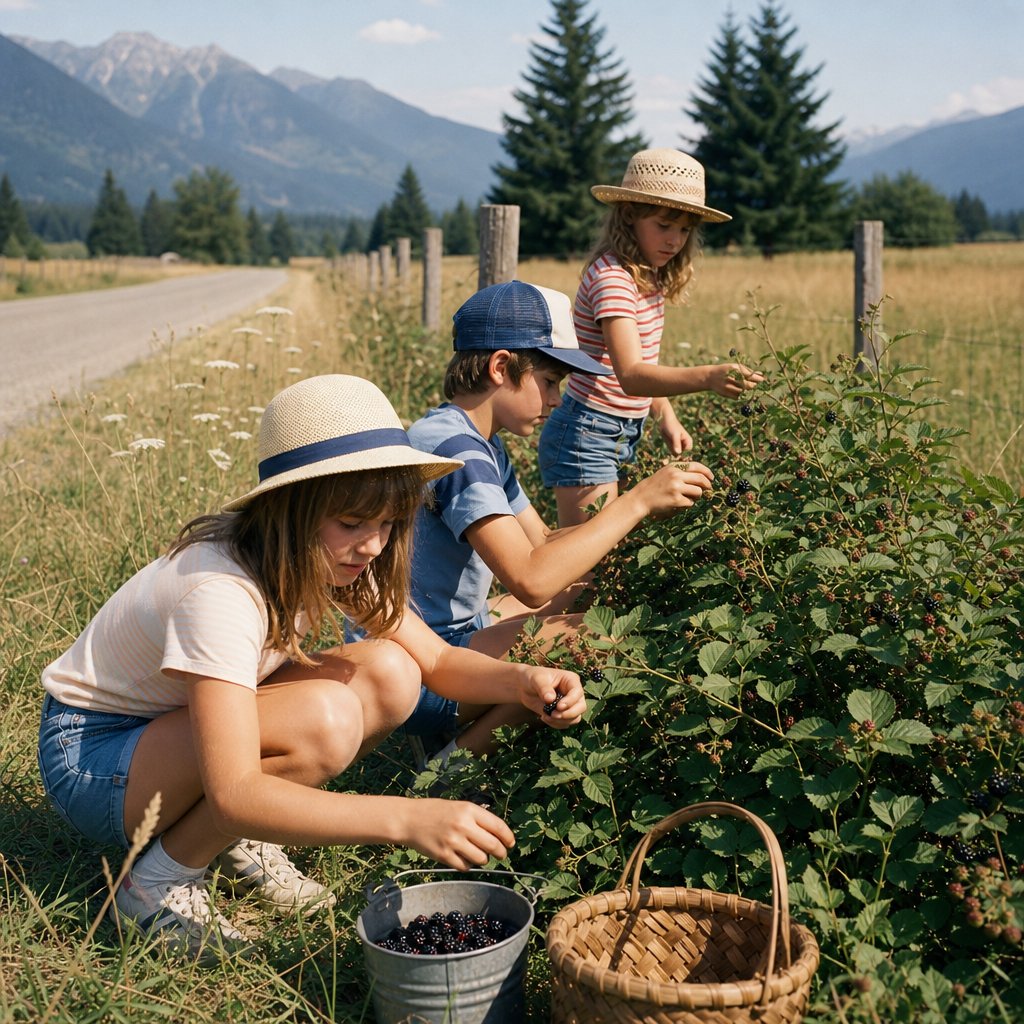
Late summer meant blackberry season. Kids grabbed buckets and hunted for the best patches along country roads and alleys.
Those bushes were brutal—scratches and purple-stained fingers were part of the deal. Long sleeves helped, but nobody really cared.
Parents often sent kids out to pick enough for a pie or some jam. Filling a bucket felt like a huge win, even if you ate half the berries before getting home.
The smell of sun-baked blackberries stuck with you. Bees buzzed around, so you had to be careful, but coming home stained and sticky meant it was a good day.
18. Hiked through a coastal forest
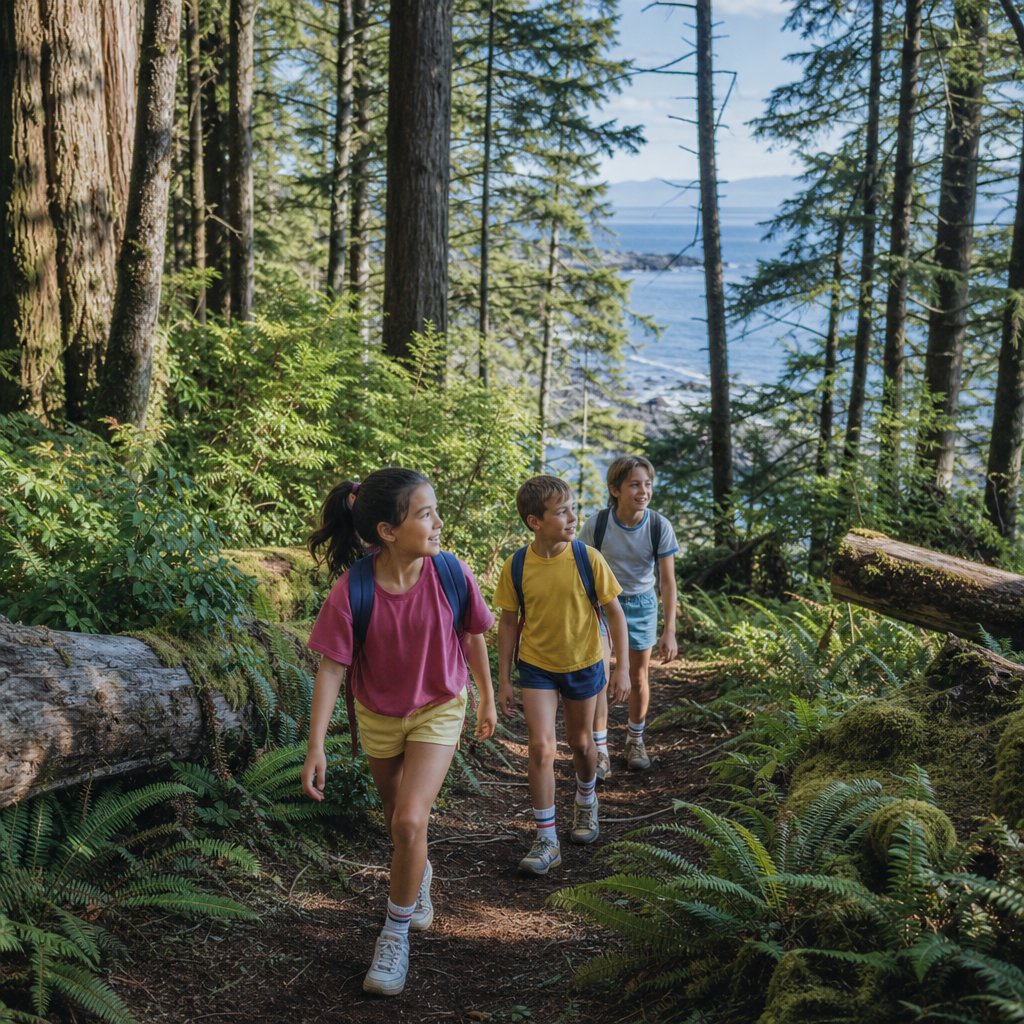
Every kid in coastal BC knew the smell of cedar and fir after a summer rain. Parents tossed sandwiches and juice boxes into a bag, then headed for a local trail on Saturday morning.
Cathedral Grove on Vancouver Island or the forests near Squamish offered families the chance to walk under trees older than anyone they knew. The trails weren’t always as tidy as they are now.
Kids stepped over roots, ducked under branches, and got their shoes muddy without a care. Nobody stressed about fancy hiking gear—running shoes and a windbreaker did the trick.
Banana slugs were a highlight for a lot of children. Finding one on a mossy log felt like striking gold, and kids poked at them with sticks just to watch them move.
Some families turned slug-spotting into a game, counting how many they could find. The forest air felt heavy, especially near the coast where the ocean mist crept in.
Kids listened for eagles overhead or looked for deer tracks pressed into the dirt. Little details like that made the walk feel more like an adventure than just exercise.
By the time families reached a lookout or a quiet beach, everyone was hungry. Sitting down for a snack with tired legs and a view of the water made the whole hike worth it.
It was simple, but somehow those days stuck with you for years.
17. Roasted marshmallows over a campfire
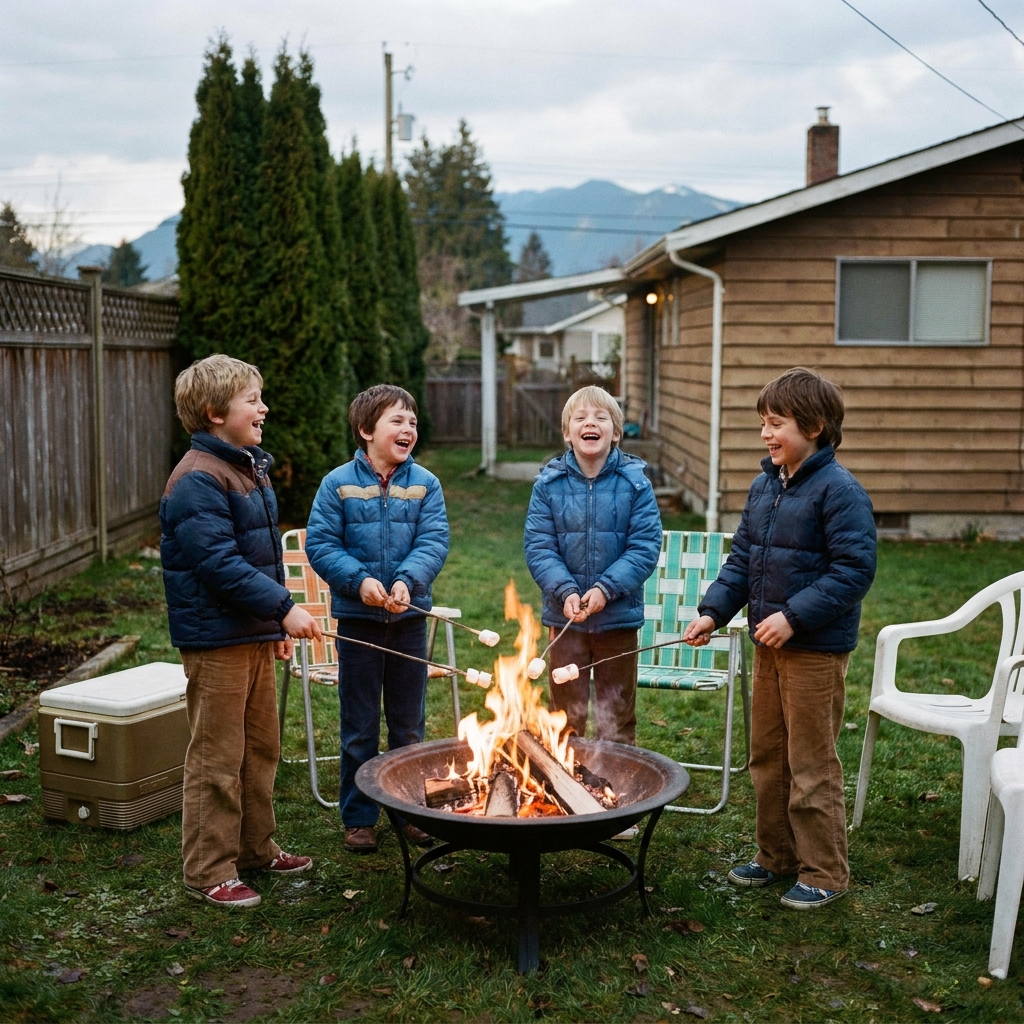
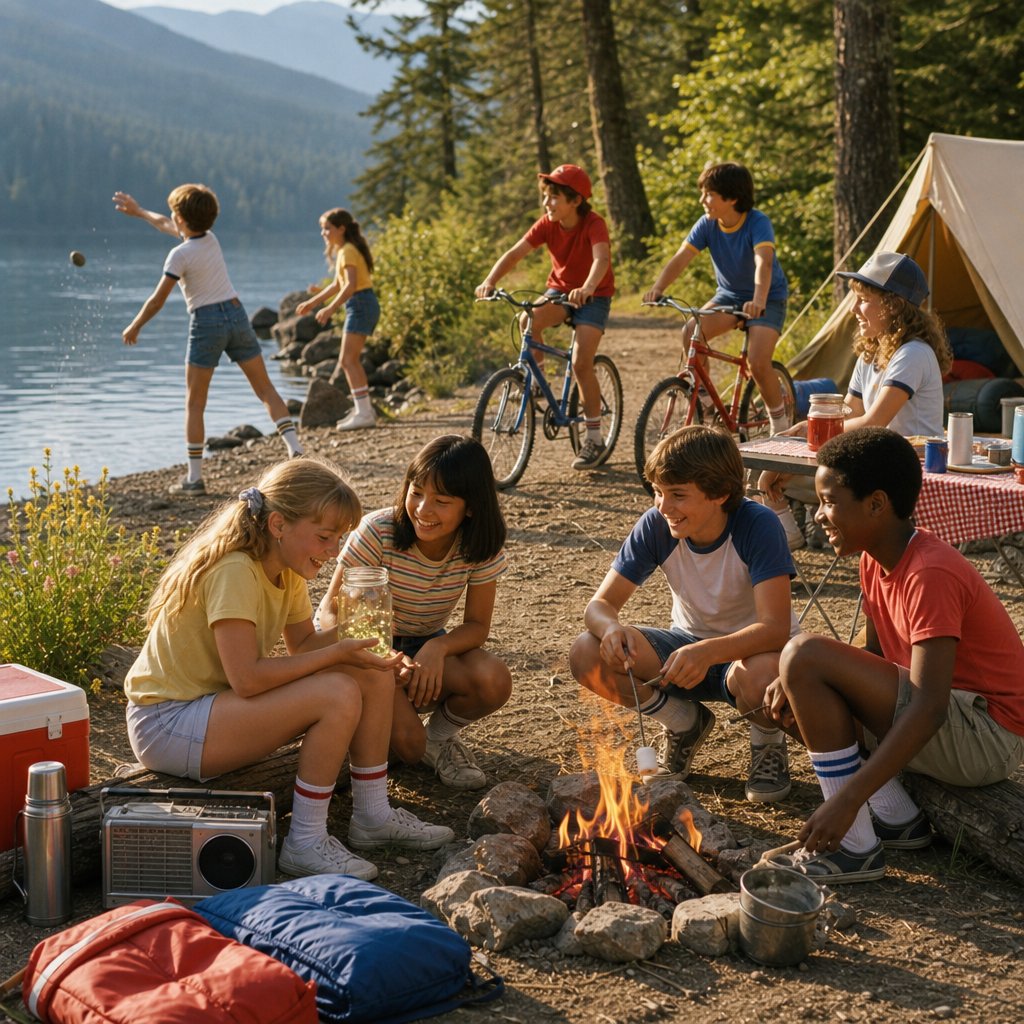
Summer evenings in BC usually ended with a campfire, whether in a backyard, at a campground, or by a lake. Kids searched for the perfect stick and argued over whose was best.
Getting the marshmallow to stay on the stick took a bit of skill, but most figured it out. Some kids toasted theirs until golden brown, while others let it catch fire on purpose.
The ones who liked it burnt blew out the flames and ate the crispy shell first. Others slowly rotated their marshmallow over the coals, aiming for that perfect caramel color.
Sticky fingers were just part of the deal, and sometimes a marshmallow fell right into the fire. Someone always brought graham crackers and chocolate for s’mores, though plenty of kids just ate marshmallows plain.
The smell of woodsmoke clung to sweaters the next morning, a sure sign it had been a good night around the fire.
16. Camped at a provincial park
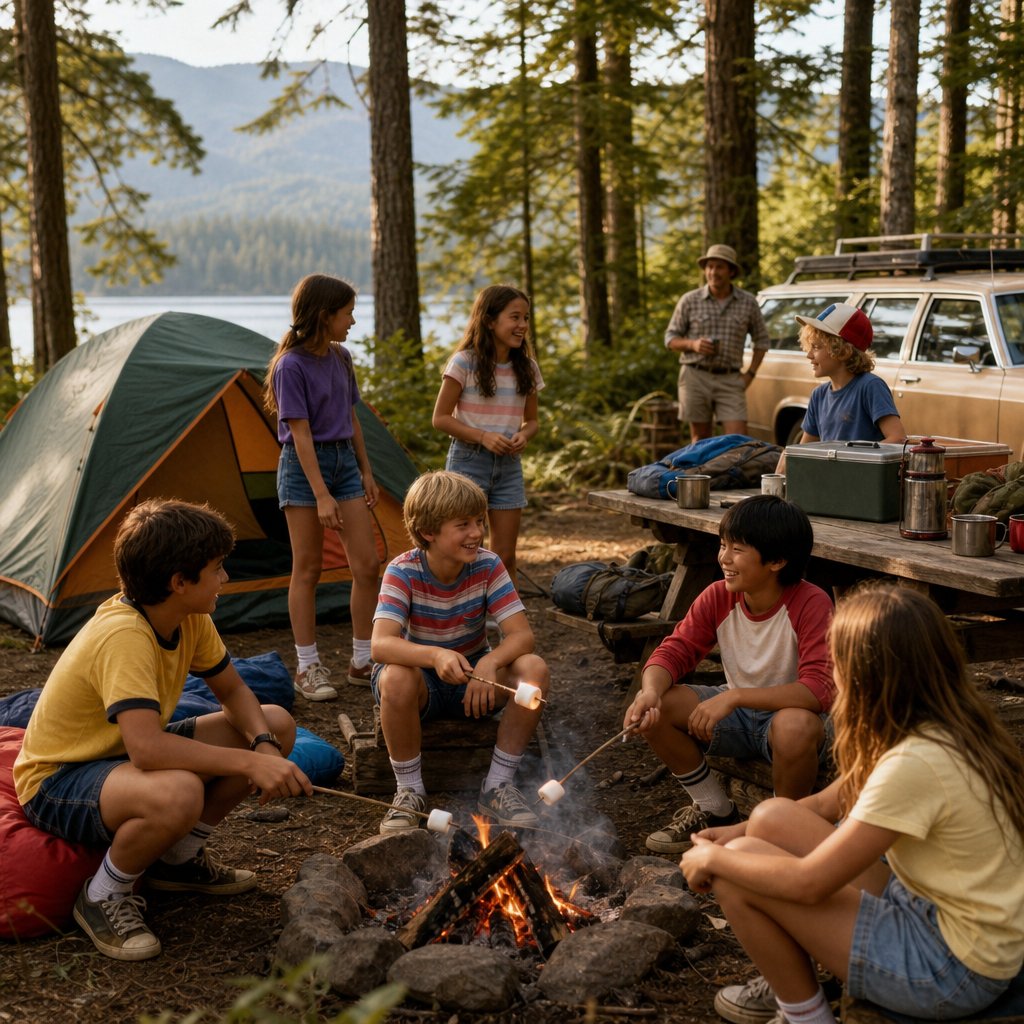
Every BC family had a favorite provincial park—Manning, Cultus Lake, and Rathtrevor Beach were always busy. Parents packed up the car with a tent, sleeping bags, and a cooler that barely fit.
Kids fought over window seats, and the excitement grew as the campground gate got closer. Setting up camp was a team effort, with Dad wrestling tent poles, Mom organizing the cooler, and kids gathering firewood.
Once the site looked like home, the real fun started. Some kids explored trails, others ran straight for the water.
Campground days followed a loose routine. Mornings meant cereal or eggs on a Coleman stove, then swimming, biking, or hiking to a waterfall.
Kids from other campsites became instant friends, and groups formed to explore together. Evenings brought campfires in the fire pits, with hot dogs, marshmallows, and stories about the day’s adventures.
Many parks ran interpretive programs, where a naturalist talked about local wildlife, sometimes followed by a slideshow in the amphitheater. Rain didn’t always ruin things, though it definitely tested patience.
A soggy tent and a deck of cards became the backup plan. Kids made the best of it, playing games under a tarp or reading comics by flashlight.
Packing up at the end never felt as exciting as arriving. Tents came down damp, gear got shoved into bags, and the car always smelled like campfire smoke.
Still, most kids were already asking when they could go back.
15. Canoed on a British Columbia lake
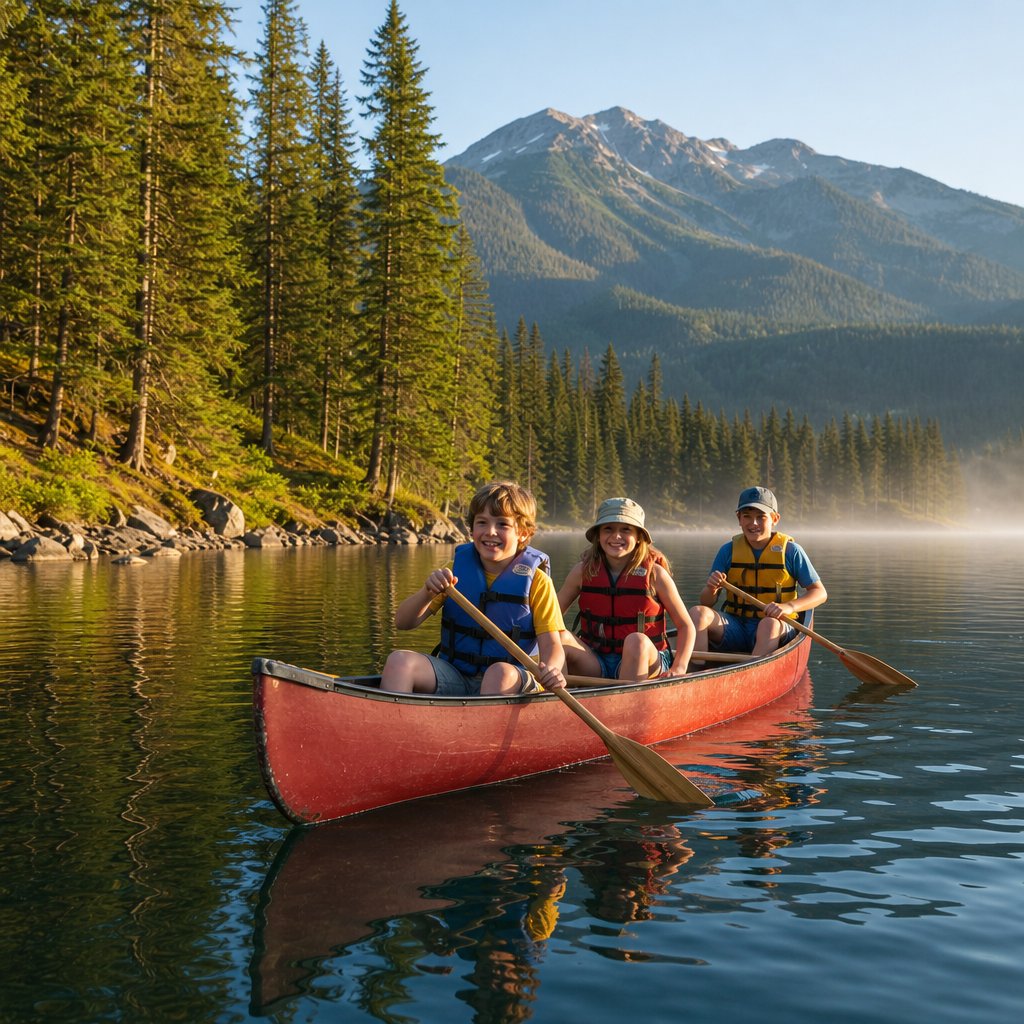
Almost every BC family owned or borrowed an aluminum canoe. It usually rode on top of the station wagon, tied down with ropes that never looked quite secure.
Kids spent hours at lakes like Shuswap or Okanagan, or tucked away at smaller lakes in the interior. Someone’s dad always barked paddling orders from the back—”dig deep,” “switch sides.”
The life jackets were orange, bulky, and smelled like mildew from the garage. Nobody complained, because being on the water meant a break from chores and TV.
Kids learned to paddle by trial and error, tipping over in the shallows more than once. Cold lake water woke you up fast, but climbing back in felt like a win.
Fishing rods often came along, even if the catch was just a couple of small trout. The real reward was drifting past docks and rocky points while parents relaxed on shore.
Some families paddled the same route every summer, heading to a little island or cove. Kids explored the shoreline, skipped rocks, and ate sandwiches that always tasted better outside.
By day’s end, arms ached and shoulders turned pink from the sun. Getting the canoe back on the car was a workout, but nobody really minded.
14. Went fishing off a nearby pier
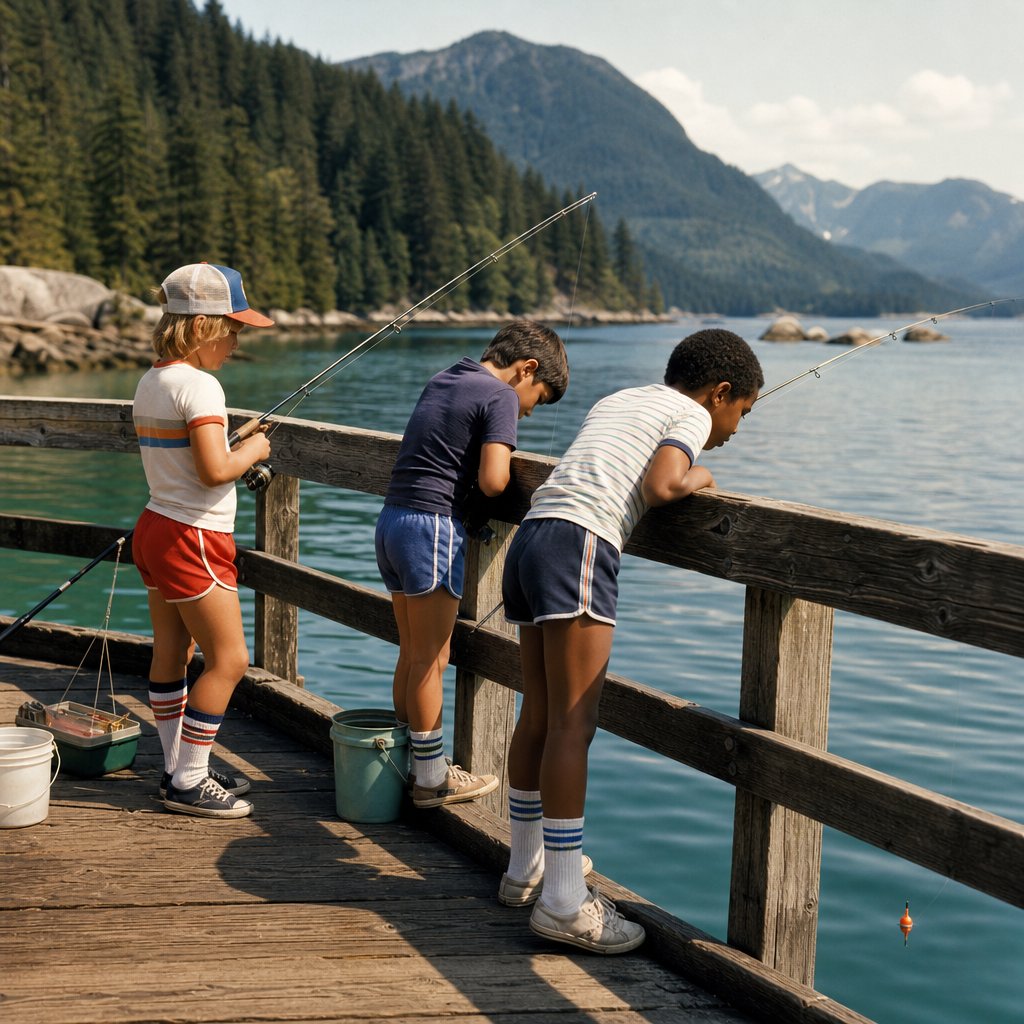
Every BC kid with a fishing rod knew which pier or dock was best. Spots like White Rock Pier, Steveston, or a dock in Nanaimo became weekend hangouts for young anglers.
A cheap rod, a tackle box full of hooks, and a container of backyard worms made up most fishing gear. Some borrowed their dad’s old rod, others saved up for their own from the hardware store.
Bait mattered as much as patience. Kids tried everything—store-bought lures, homemade bait—hoping for a perch, rockfish, or maybe a crab if they had a net.
Sitting on the edge of a pier for hours wasn’t just about the fish. It gave kids time to talk, watch boats, and breathe in the salty breeze.
Not every trip ended with a catch, and that was okay. Even an empty bucket felt like a good use of summer with a snack in hand.
Parents often let kids fish unsupervised if they stuck together and followed basic rules. That freedom made the pier feel like its own little world.
By day’s end, sunburned shoulders and salty hands were common, along with stories about the “one that got away.” Those pier days are still some of the clearest memories for a lot of BC kids.
13. Made forts from blankets and couch cushions
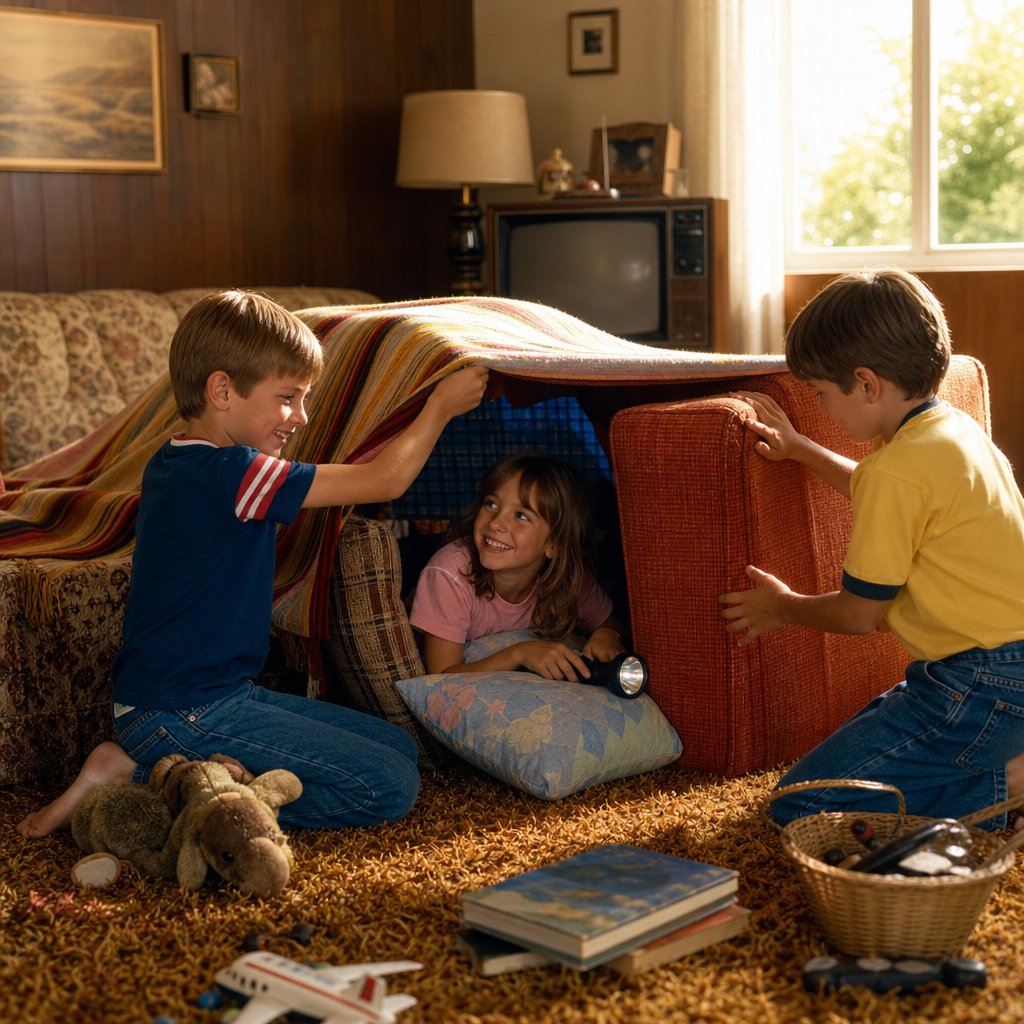
Rainy days were a fact of life on the coast, so kids found ways to stay busy indoors. Pulling every cushion off the couch and stacking them into walls was a classic move, especially in Vancouver or Victoria.
Blankets got draped over chairs and tables, with clothespins sometimes holding everything together. Most forts still collapsed at least once before dinner, but that was half the fun.
Once the fort was done, kids crawled inside with flashlights, comics, or maybe a portable radio. Some forts became quiet reading nooks, others turned into battle stations or secret hideouts.
Parents usually tolerated the mess as long as everything got put back before company or bedtime. Couch cushions always ended up a bit misshapen, but nobody really minded.
These forts gave kids something to do without leaving the house, making them popular during long stretches of rain. They were also a hit at sleepovers, offering friends a cozy place to camp out indoors.
12. Played tag in the neighbourhood
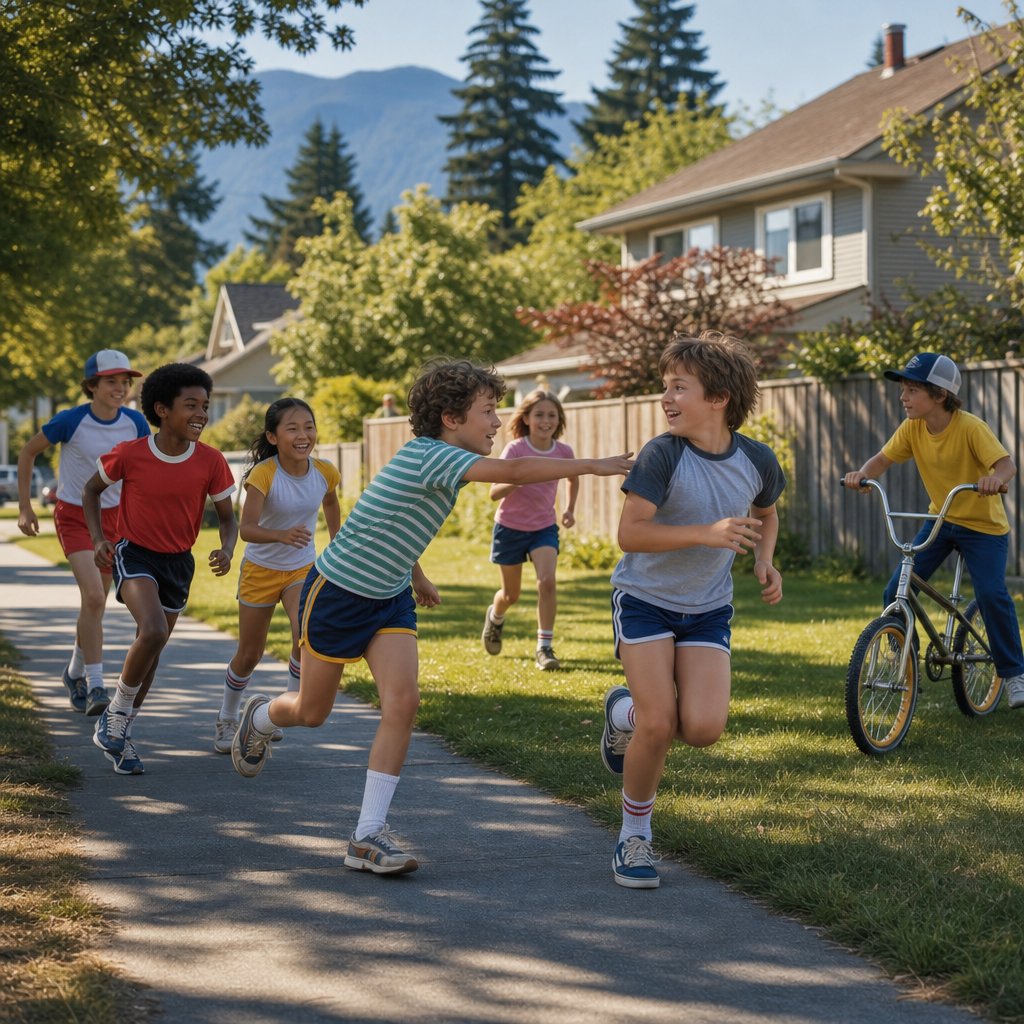
Kids in BC neighbourhoods spent endless summer evenings playing tag with whoever showed up outside. Someone would yell “you’re it” and the whole street scattered, running between yards and around parked cars.
No teams, no sign-up sheets—just whoever was around. Sometimes it was two kids, sometimes a dozen.
The rules stayed pretty simple, though every street had its own twist. Some played freeze tag, where being tagged meant standing still until a teammate freed you.
Others stuck to classic tag, where getting tagged made you “it.” Some even played TV tag, where shouting out a show name gave you a brief safe zone.
Home base was usually a tree, a mailbox, or someone’s porch. Kids knew the boundaries without anyone writing them down.
Games kicked off after dinner and ran until the streetlights flickered on. That was the signal to head home, since most parents didn’t call kids by name.
Tag was the perfect way to burn off energy after a long day. It didn’t cost a thing, and with summer stretching ahead, it just made sense.
11. Built model rockets in the backyard
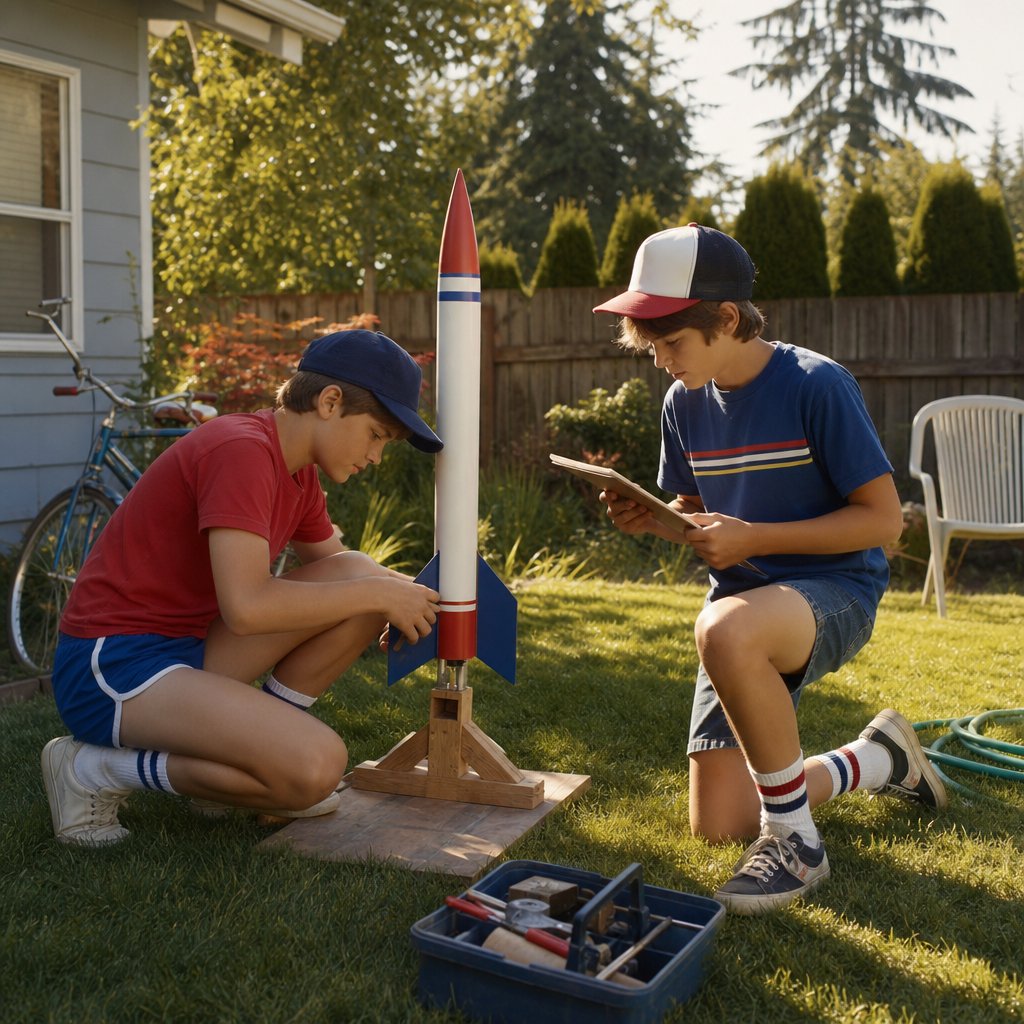
Estes model rocket kits popped up in pretty much every BC neighborhood during the 1980s. Most kids got them from a hobby shop or ordered by mail.
Rainy afternoons were for gluing balsa fins and painting cardboard tubes. The wait for launch day almost felt as good as the launch itself.
Backyards, school fields, and empty lots turned into launch pads once the rockets were ready. Usually, a parent or older sibling handled ignition since those little engines were no joke.
The countdown always felt official, even if it was just some kid yelling from the driveway. Sometimes rockets ended up stuck in trees or on a neighbor’s roof—nobody liked to admit how often that happened.
A few kids kept track of how many rockets they actually got back. Watching the parachute pop out (when it worked) felt like a win worth bragging about at school.
Local hobby shops in Vancouver, Kelowna, and Victoria stocked new engines and kits for anyone who caught the bug. Some kids saved up for weeks just to buy a bigger engine.
It wasn’t just about rockets, really. Building and launching taught a lot about patience, physics, and the thrill of seeing something you made soar over the yard.
10. Watched Saturday-morning cartoons
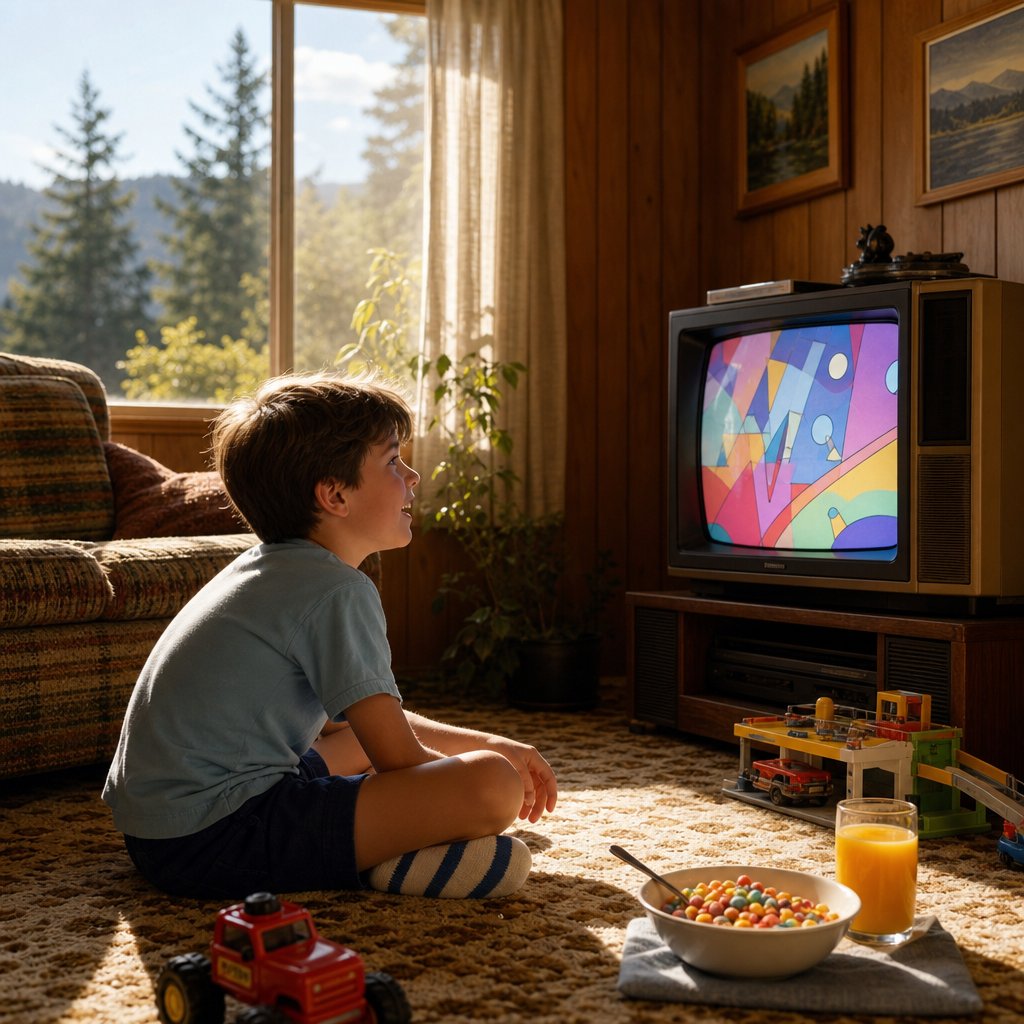
Summer break in BC didn’t mean sleeping in on Saturdays. Kids still woke up early to catch cartoons, no matter what.
Stations like CHEK, CBUT, and BCTV ran a steady lineup all morning. Whether you lived in Vancouver or Nanaimo, everyone ended up watching the same shows.
He-Man, Scooby-Doo, The Smurfs—those were the big ones. Cereal bowls in hand, kids camped out in front of the TV, sometimes fighting siblings for channel rights.
Antennas and rabbit ears didn’t always give you a clear picture. Adjusting the antenna before the theme song started was almost a sport in itself.
Once the shows ended, kids ran outside to start the real day. Cartoons were just the warm-up for whatever came next—bikes, beaches, or whatever adventure was waiting.
9. Rented VHS movies from the video store
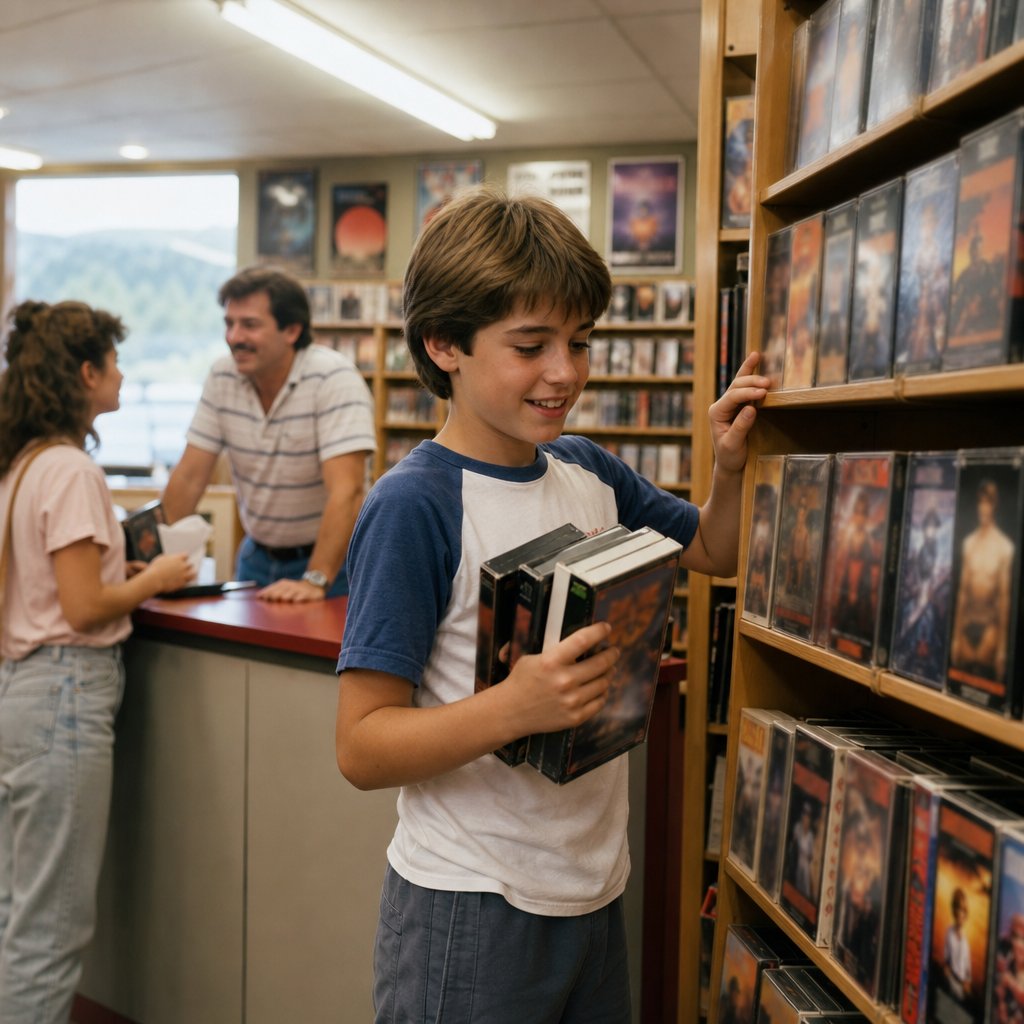
Friday night in BC? That meant heading to the video store. Kids piled into the car, sometimes still in pajamas, ready to pick a movie for the weekend.
The new releases wall was always first. You’d scan for your favorite, hoping no one else had snapped it up.
Empty boxes meant the tape was still behind the counter. The whole thing felt like a treasure hunt, honestly.
Getting your own membership card was a rite of passage. Returning tapes late meant a dreaded fee—some families always seemed to owe a buck or two.
Choosing a movie could turn into a sibling debate. Cartoons, action, family comedies—everyone wanted something different, and the arguing sometimes took longer than the movie.
Back home, popping the tape in and hearing that VCR whir felt like the start of the weekend. Rewinding before returning was the rule, and forgetting meant another fee.
Video store nights were simple, but somehow unforgettable. There was just something about that ritual that sticks with you, even now.
8. Played Nintendo at a friend’s house
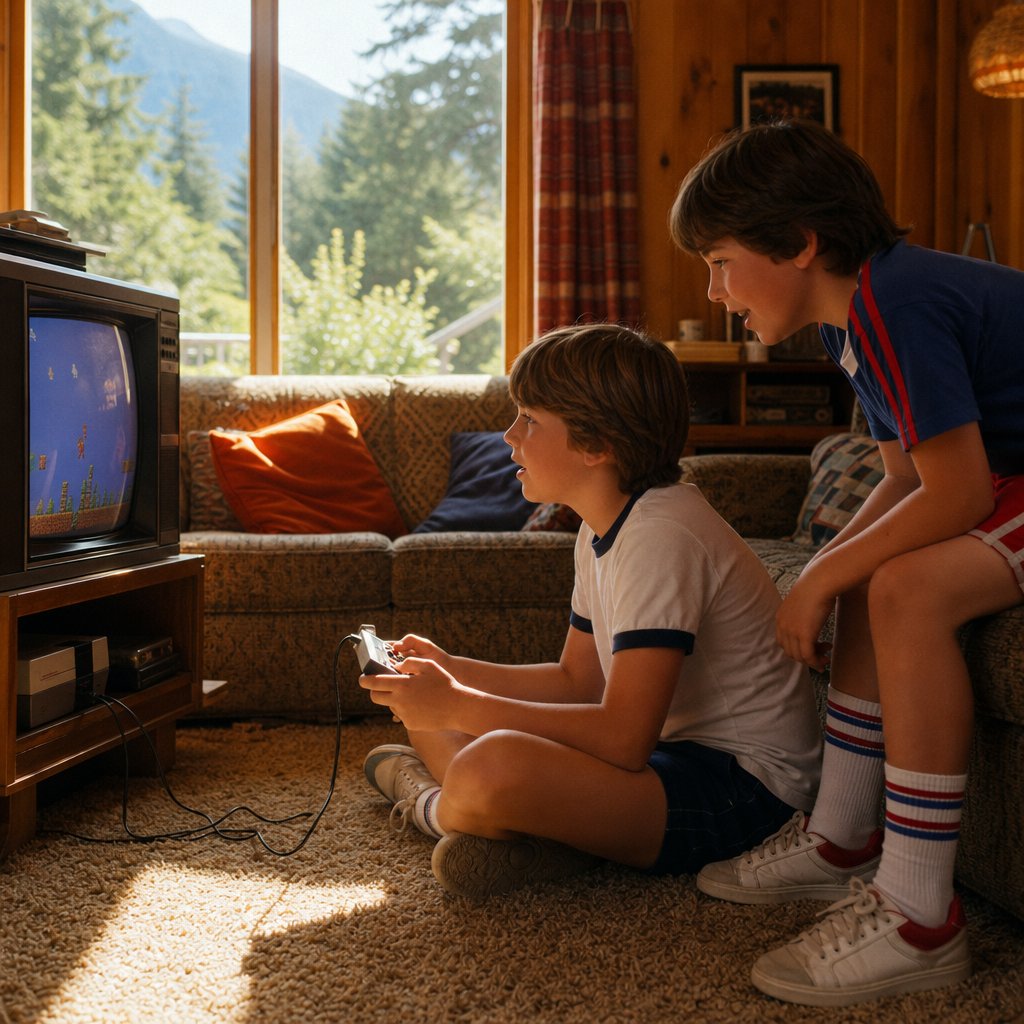
Not every family had a Nintendo when it first came out in 1985. If your friend did, their place became the neighborhood hangout by default.
Word spread fast. Suddenly, everyone wanted to be at the house with the NES after school or on weekends.
Super Mario Bros. was the go-to. Duck Hunt got a lot of play too—aiming that grey zapper at the TV never got old.
One controller usually worked better than the other, so taking turns was the only fair way. Kids sat on the floor, waiting for their turn, cheering or groaning when someone messed up a jump.
Some houses had strict time limits for each kid. Others just let the games run until someone had to go home for dinner.
By the late ’80s, more families got their own systems. But those early days of crowding around a friend’s TV, controllers in hand, really stuck with a lot of us.
7. Collected baseball cards from the corner shop
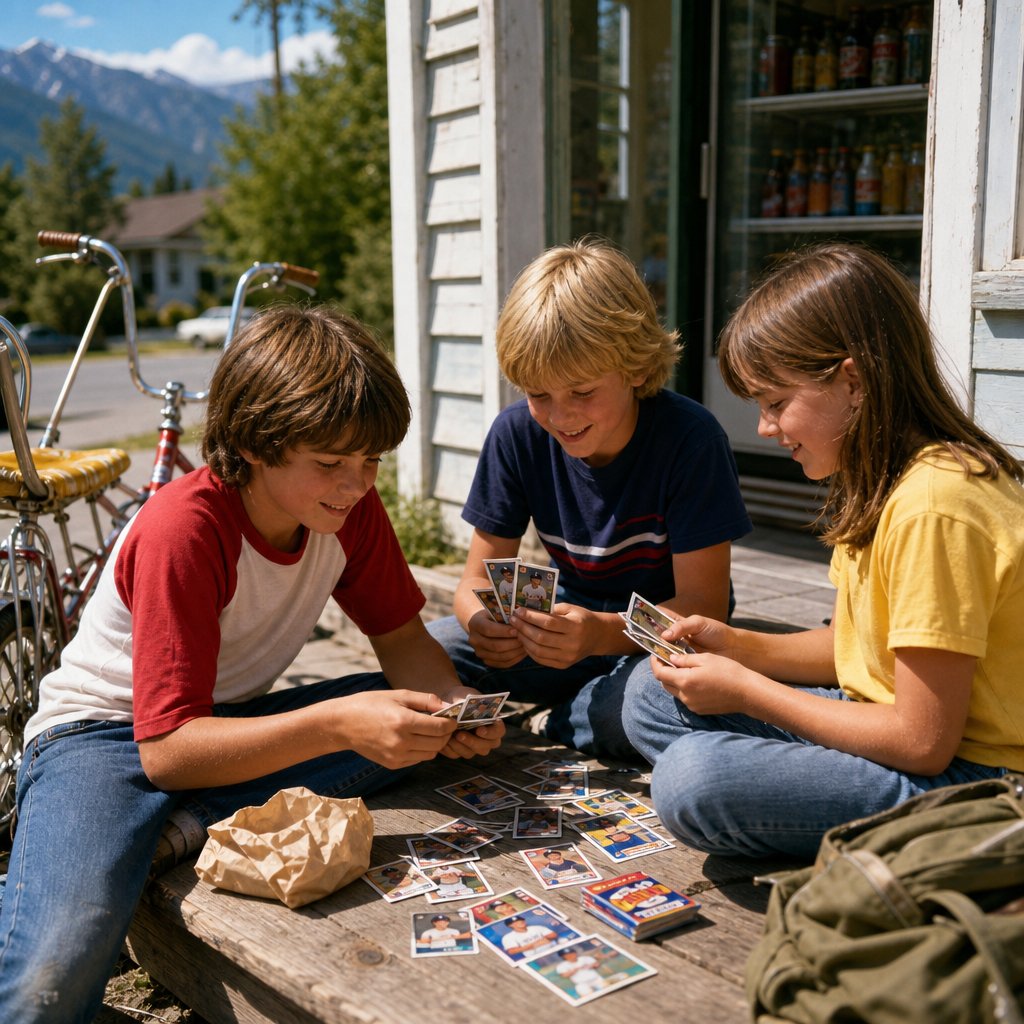
Every kid had a corner shop nearby, and the baseball card rack was the big draw. Packs cost less than a buck, so you could usually scrape together enough change from chores or bottle returns.
Opening a fresh pack was a ritual. You’d peel back the wax paper, hoping for a star instead of another duplicate.
Trading happened everywhere—porches, sidewalks, right in front of the shop. A rookie card or favourite team could spark a long haggle.
Some kids used shoeboxes, others had binders for their best cards. Showing off your collection was half the fun, even if you didn’t really follow baseball.
6. Bought penny candy at the corner store
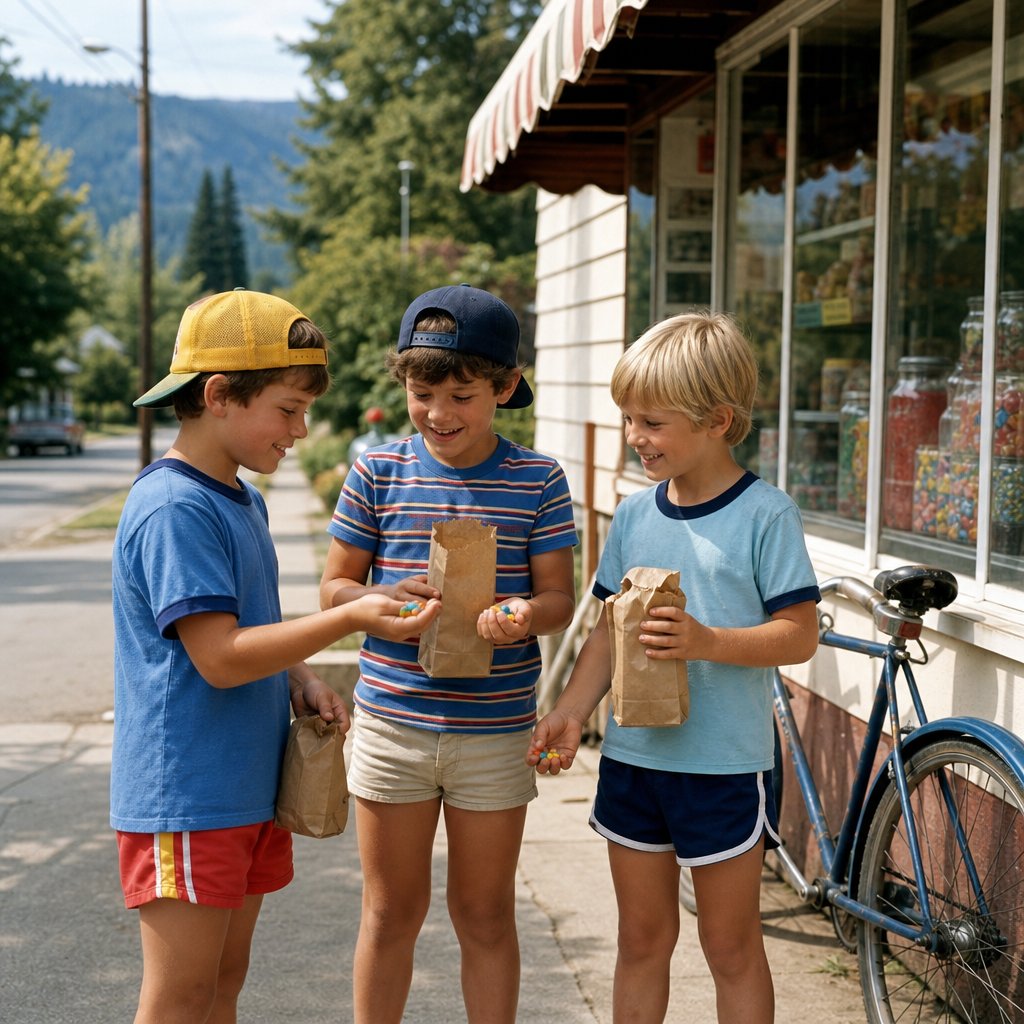
Every BC neighborhood had a corner store—maybe a Mac’s, maybe a family-run spot. Kids biked or walked over with whatever coins they could find.
The candy counter was the main event. Rows of paper bags waited to be filled with penny candy, and picking what went in took real thought.
Some shops let kids choose candy piece by piece. The person behind the counter usually knew everyone by name and didn’t mind waiting while you counted out your change.
A dollar bought a full bag, which felt huge. Kids compared bags, traded pieces, and walked home with sticky hands and grins.
5. Played road hockey until dinner
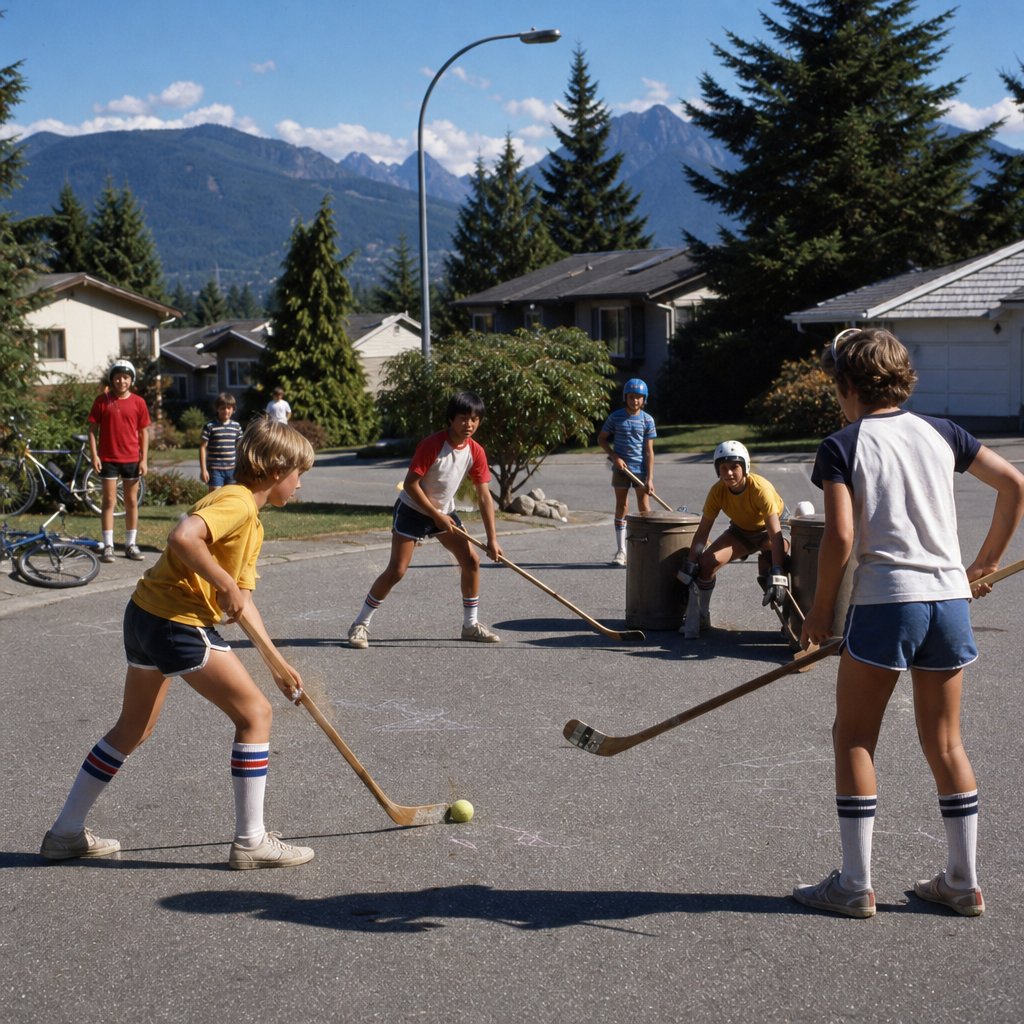
Every neighborhood had a street that turned into a hockey rink after school. Kids dragged out nets and used chalk or old shoes for boundaries.
Someone always yelled “CAR!” when a vehicle came, and everyone scrambled to clear the road. Play picked up again right where it left off, sometimes in the middle of an argument.
Teams were just whoever showed up. Games got lopsided, but nobody cared as long as they could keep playing before dinner.
Sticks got taped with whatever was around, and a tennis ball or orange street hockey ball worked fine. Scraped knees and bruises were just part of the deal.
Parents didn’t check in much—the whole street could hear the game from blocks away. Kids played until the streetlights came on or a parent called them home, and even then, they’d ask for just a few more minutes.
4. Swam at the local outdoor pool
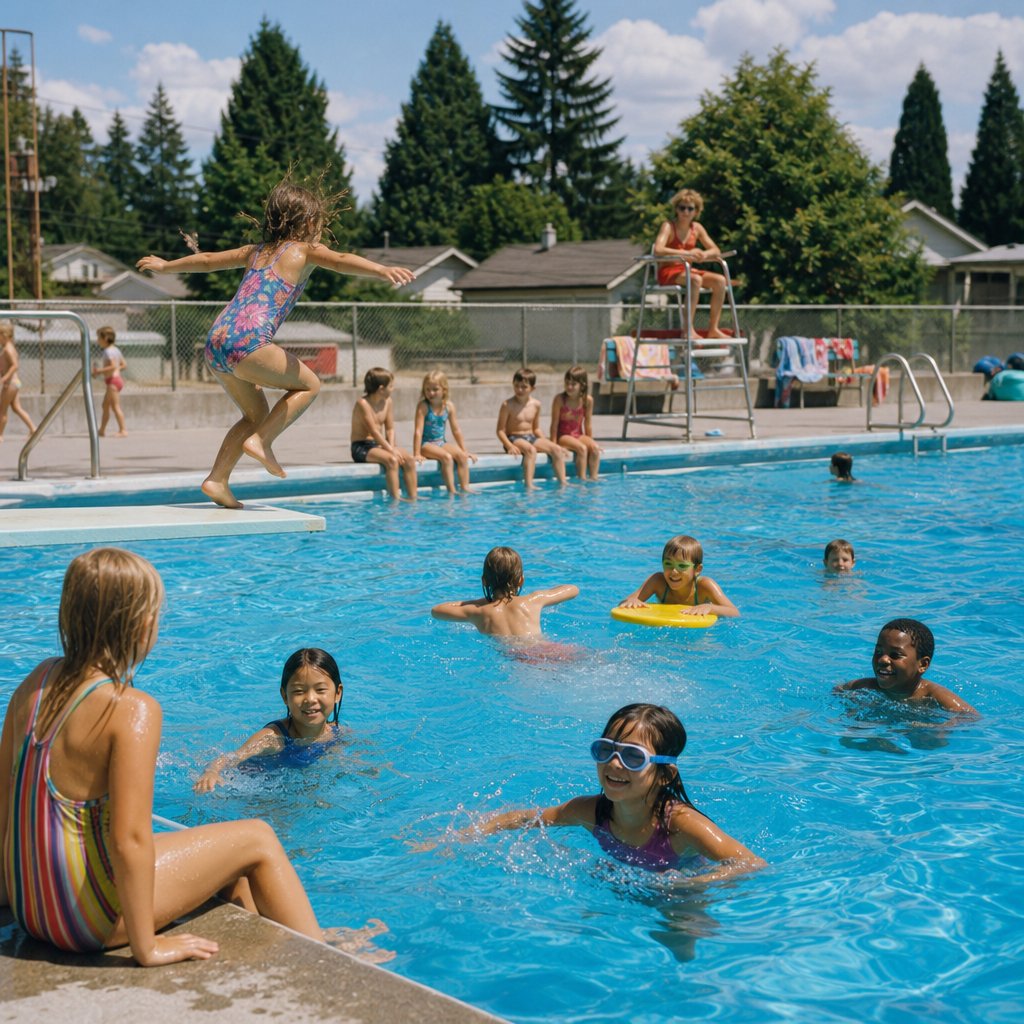
Every BC town had one—sometimes a big city pool in Vancouver, sometimes just a tiny one tucked into a park out in the Interior. Kids would count down the days until it opened, usually right at the end of June.
The smell of chlorine and hot pavement just screamed summer. Parents dropped their kids off with a towel, a few bucks for snacks, and a reminder to get home before dinner.
Lifeguards blew their whistles all the time, warning kids to stop running or to clear the pool for adult swim. Nobody liked adult swim, but it gave everyone a chance to catch their breath or refill water bottles.
The deep end was where you proved yourself. If you could touch the bottom or pull off a decent dive, you got bragging rights with your friends.
Diving boards were a big deal. Lineups formed fast on hot days, and some pools had both a low and a high board. Working up the nerve for the high one felt like a rite of passage.
Pool passes came as punch cards or little paper tickets. Losing one felt like a mini disaster, honestly. Lots of kids got a summer pass in June and basically lived at the pool.
Sunburns were common—nobody really thought about sunscreen much. Kids came home with red shoulders and pale swimsuit outlines, a sure sign of a day well spent.
3. Rode Bikes Along the Seawall
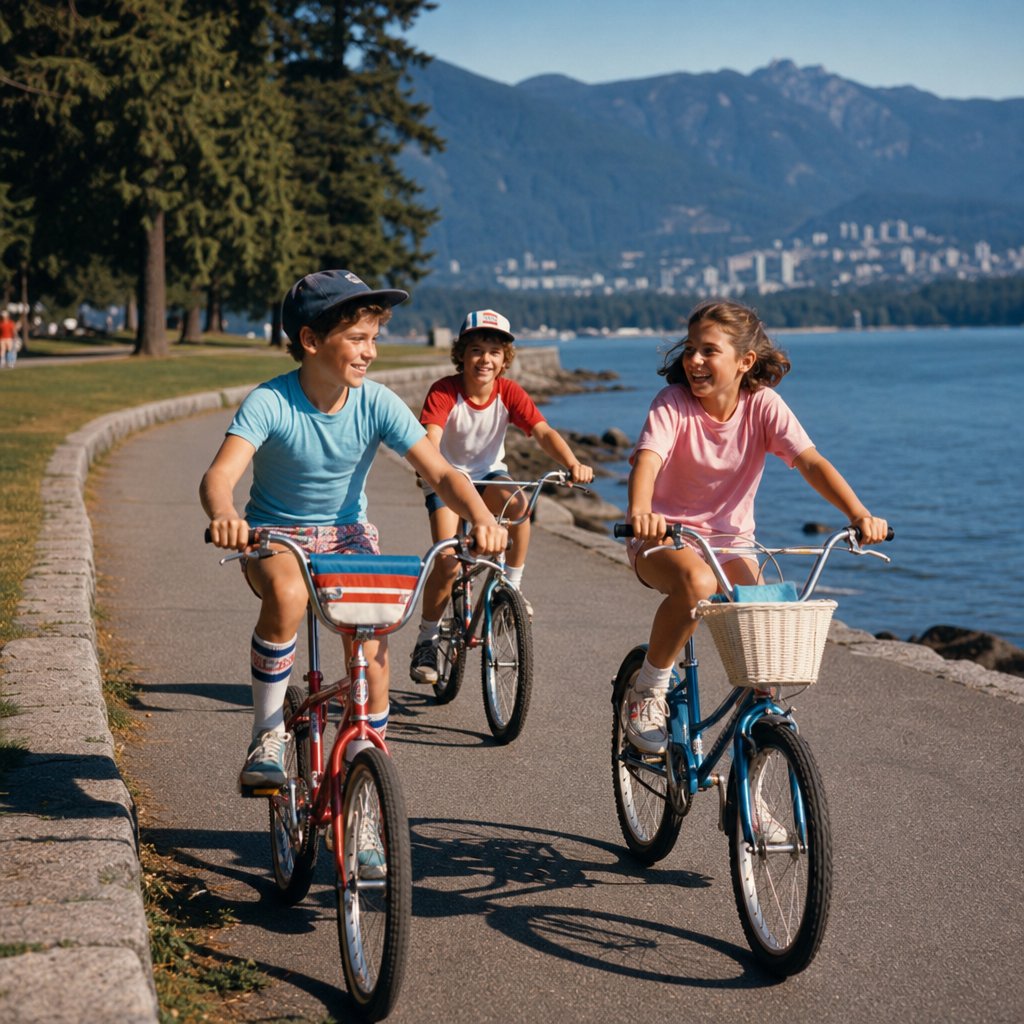
Kids in Vancouver during the ’80s spent tons of summer afternoons biking the Seawall in Stanley Park. The path stretched for miles, so families packed up their bikes and just went for it.
Most kids rode whatever bike they had—maybe a hand-me-down BMX, maybe something they saved up for. The route had plenty to see, like the Lions Gate Bridge or boats in the harbour. Sometimes they’d stop at Second Beach to cool off.
Bike bells were a must, since the path got crowded. Kids learned to ring their bell and call out before passing, and everyone just sort of followed that rule.
Some families rode the Seawall every weekend. Other kids went with friends, racing or just soaking up the breeze off the water. It felt like a regular part of growing up in BC, honestly.
2. Built driftwood forts at Spanish Banks
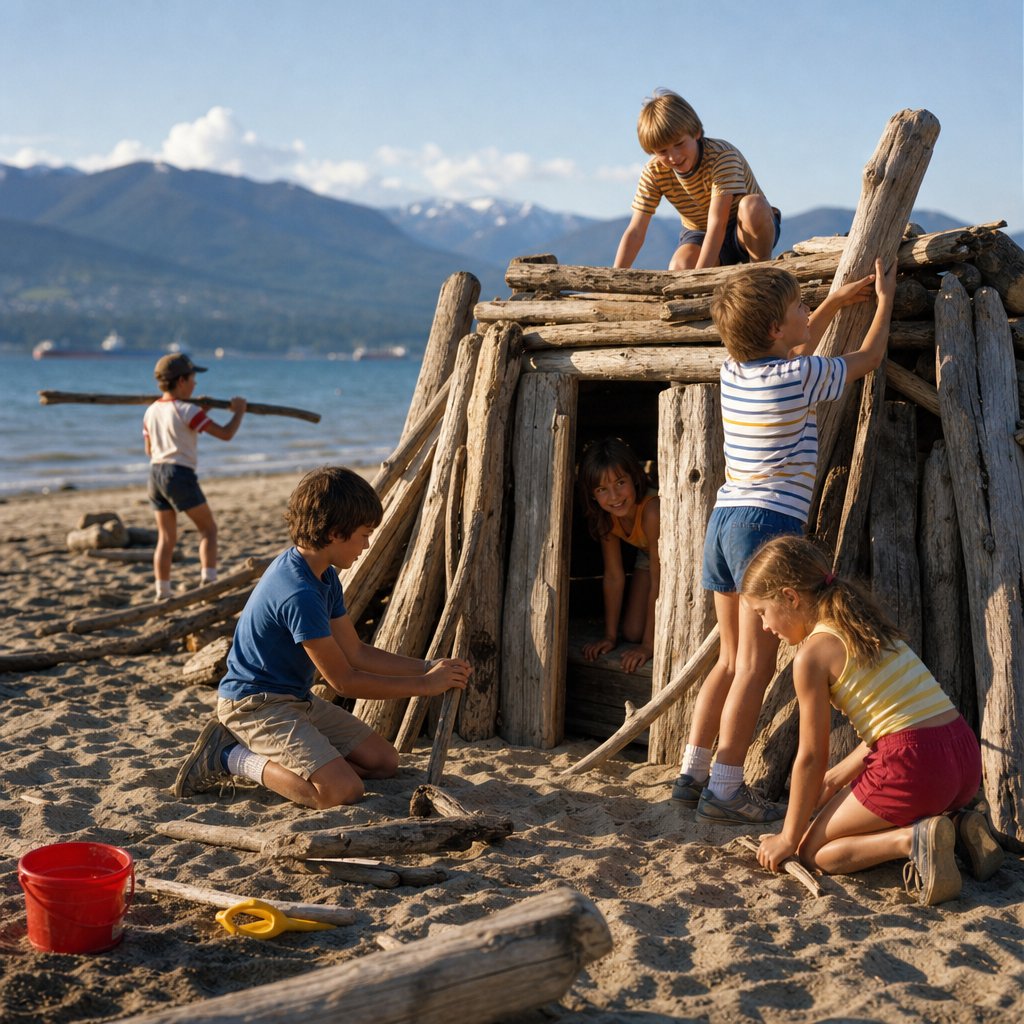
Every kid in Vancouver knew Spanish Banks was the place for fort building in the summer. At low tide, the beach stretched forever, and driftwood made perfect walls and roofs.
Most forts started small, just a few logs leaned together. With a group, though, things got ambitious—sometimes there were two rooms, or even benches inside.
The best driftwood was always the big, smooth pieces that had been there a while. Kids figured out pretty fast which logs were too heavy or wouldn’t stay put. There was a lot of trial and error, but that was half the fun.
Fort building was always a team thing. Siblings and neighbourhood kids teamed up, and sometimes rival forts popped up nearby. There was a friendly, low-key competition about whose fort looked the coolest or lasted longest in the wind.
Parents packed lunches and let their kids vanish for hours while they read or chatted nearby. Spanish Banks felt safe and open, so kids could spend the whole day building, tearing down, and starting over.
By the end of the day, the tide usually washed away a lot of the work. Nobody really minded. There was always more driftwood, and always another day to build something new.
1. Spent sunny days at Kitsilano Beach
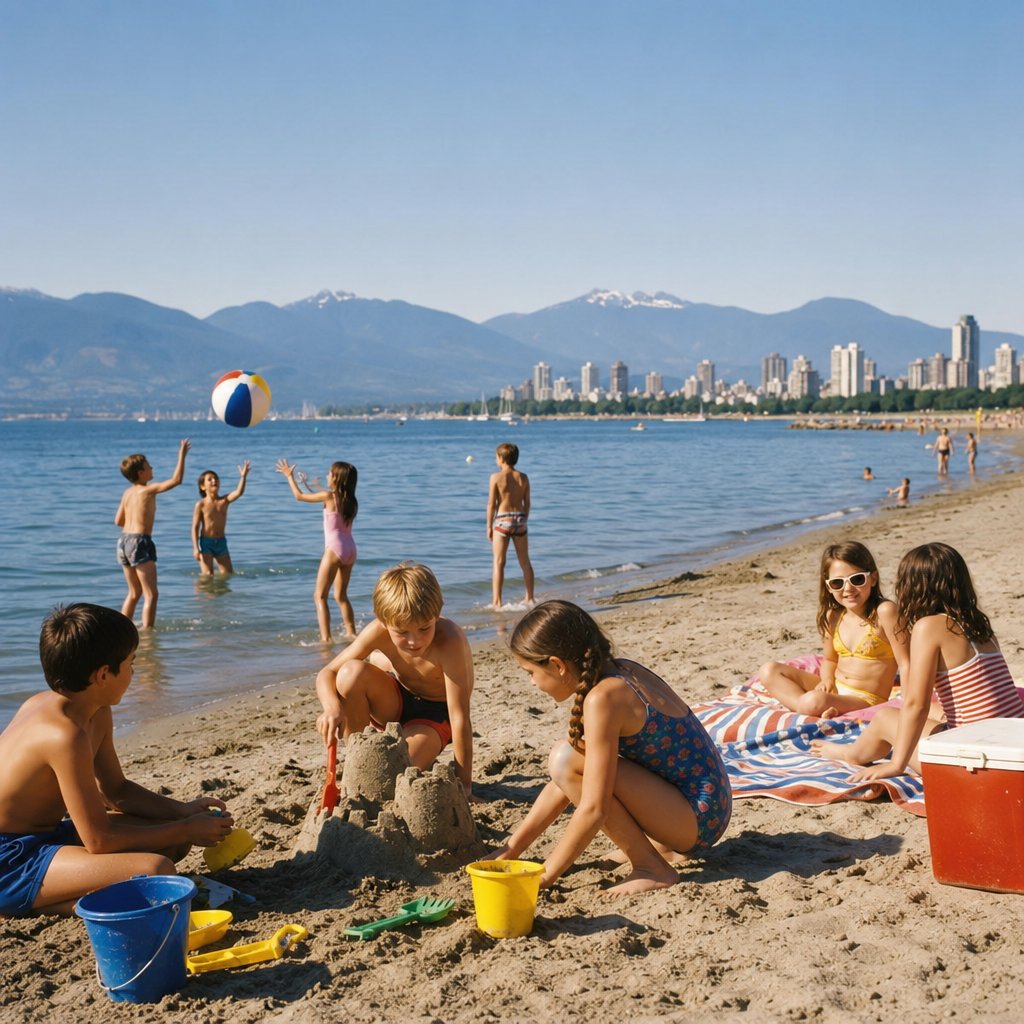
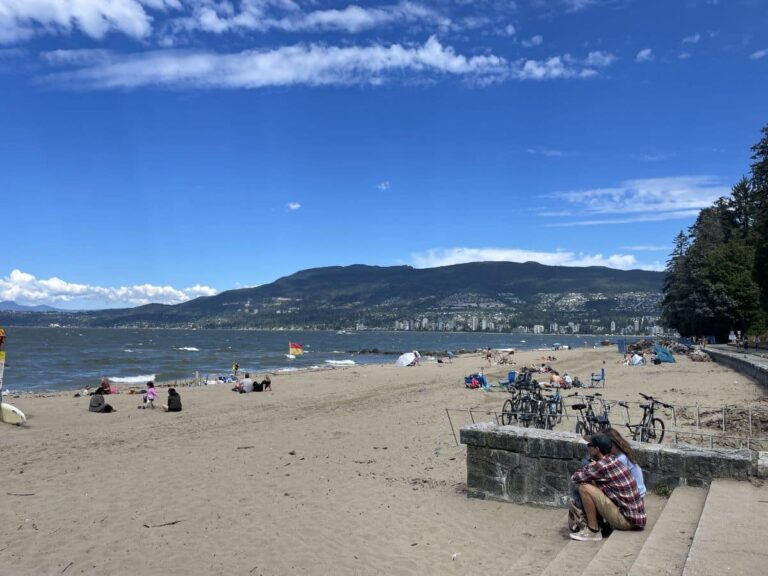
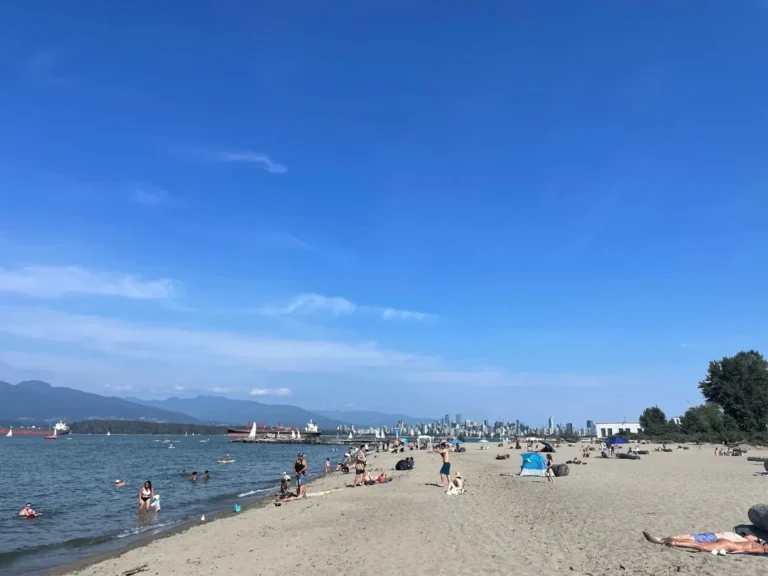
If you grew up around Vancouver in the 1980s, you probably remember at least one family trip to Kitsilano Beach every summer. Parents would pile towels, coolers, and maybe a Frisbee into the car, then head for the sand along English Bay.
The view of the North Shore mountains always stood out, and there was something mesmerizing about those freighters anchored offshore. Kids would run straight for the saltwater pool, which, let’s be honest, felt way warmer than the ocean.
That pool could keep you swimming for hours without the usual complaints about frozen toes. Lifeguards watched the chaos while kids practiced cannonballs or raced each other across the water.
Beach volleyball nets appeared along the sand, and pickup games seemed to last all afternoon. Sure, older teens sometimes took over, but younger kids always found space for sandcastles or just digging for the sake of digging.
Ice cream trucks and food stands nearby made it almost impossible not to ask your parents for spare change. The place buzzed with energy, especially when friends from school showed up too.
Bikes would pile up on the grass as everyone met before charging down to the shore. For a lot of BC kids, Kits Beach wasn’t just a spot—it was summer itself, right up there with fireworks or camping trips.