If You Grew Up in Richmond, You’ll Remember These 20 Things
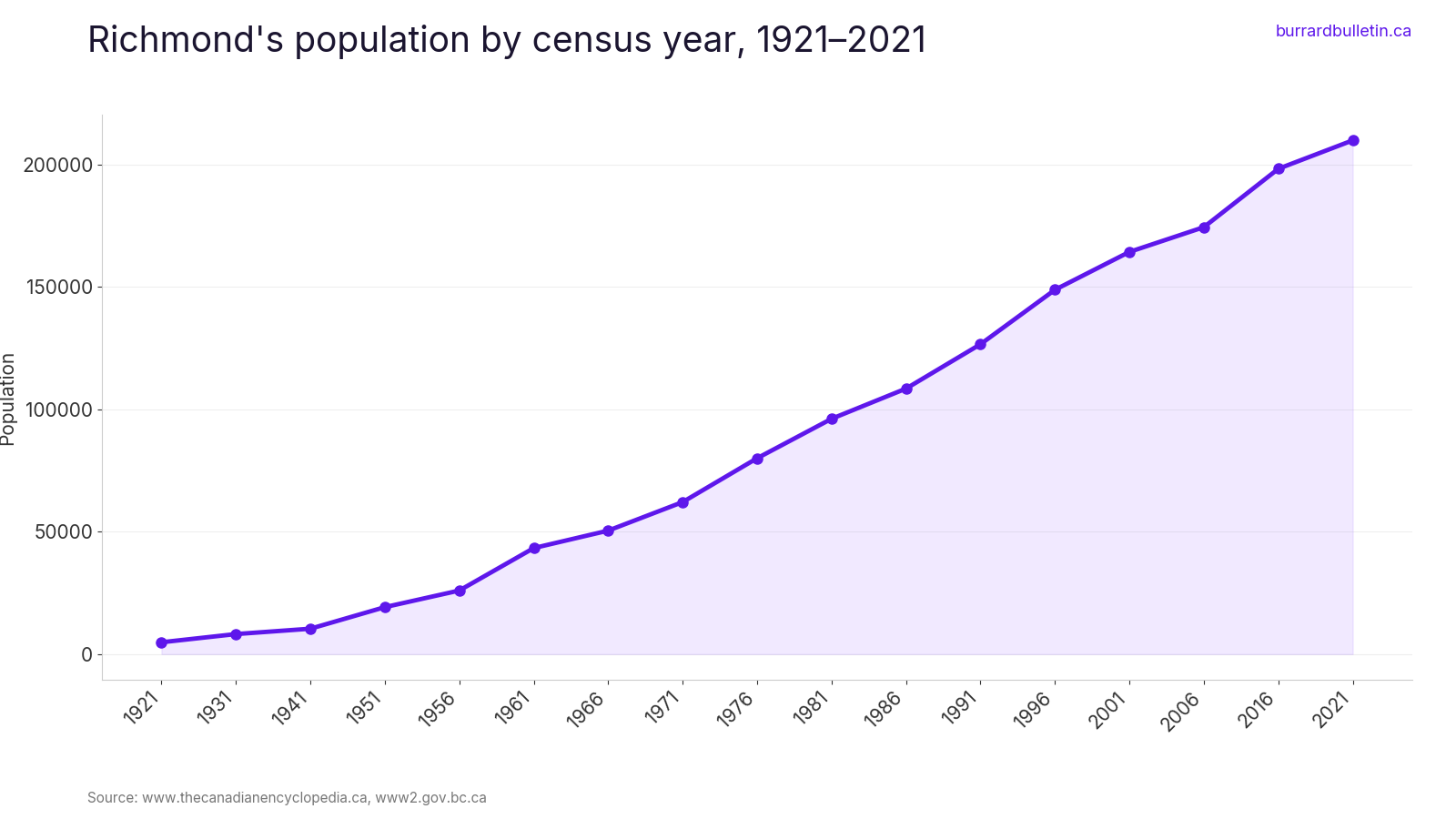
Richmond only became a city in 1990. In 1921 it had 4,825 people. By 1961 it had 43,323, and the 2021 census counted 209,937. A lot of the places people remember from growing up here were built, paved over or torn down during that climb.
This is a walk back through them. It covers the racetracks that became malls and parks, the bridge and tunnel tolls, the tram to Steveston, the village that was once called the salmon canning capital of Canada, and the night market that closed this September. Each entry gives you the history and tells you what’s on the site now. Where you can still visit, you’ll find the hours, cost and how to get there.
Most of it is documented in the City of Richmond Archives, which holds about 170,000 photographs. If a memory here doesn’t match yours, that’s the place to check.
20. The old Minoru pool (Minoru Park)
Where: Minoru Park
When: Opened 1977. Replaced 2020.
Cost: n/a (demolished)
Getting there: Minoru Park, by Richmond-Brighouse station
The Minoru Aquatic Centre officially opened in 1977. For decades it was where a lot of Richmond kids swam.
It closed after the new aquatic centre at the Minoru Centre for Active Living opened in September 2020. Vancouver Is Awesome reported the new one has the largest hot tub in Canada.
City council voted 5 to 3 to spend $2.7 million tearing down the old building. There’s nothing left to visit. Archival photos are the way to see it now.
19. Paying the toll on the new Oak Street Bridge (Highway 99)
Where: Highway 99 between Marpole and Richmond
When: Opened 1957. Tolled until 1959.
Cost: Free today
Getting there: Highway 99
The Oak Street Bridge opened in 1957 and gave Richmond fast access to Vancouver and the airport. The old Marpole swing bridge was taken down after it opened.
Crossing wasn’t free at first. The toll was 25 cents and stayed in place until 1959. A Richmond News columnist who rode over it as a child remembered that was the same as a movie ticket.
The Friends of the Richmond Archives credit the new bridges with turning Richmond from a farming community into a suburb. You can see it in the census figures, which jump sharply in the late 1950s and early 1960s.
The bridge is free today. The City of Richmond Archives holds some 170,000 historical photographs, including images of the bridge.
18. From Lansdowne Field to the Sea Island airport (Lulu Island and Sea Island)
Where: Alexandra Road area of Lulu Island, then Sea Island
When: Lansdowne Field opened 1929. Sea Island airport opened 1931.
Cost: Free to see from public roads
Getting there: South Terminal is off Russ Baker Way. The Canada Line serves the main terminal.
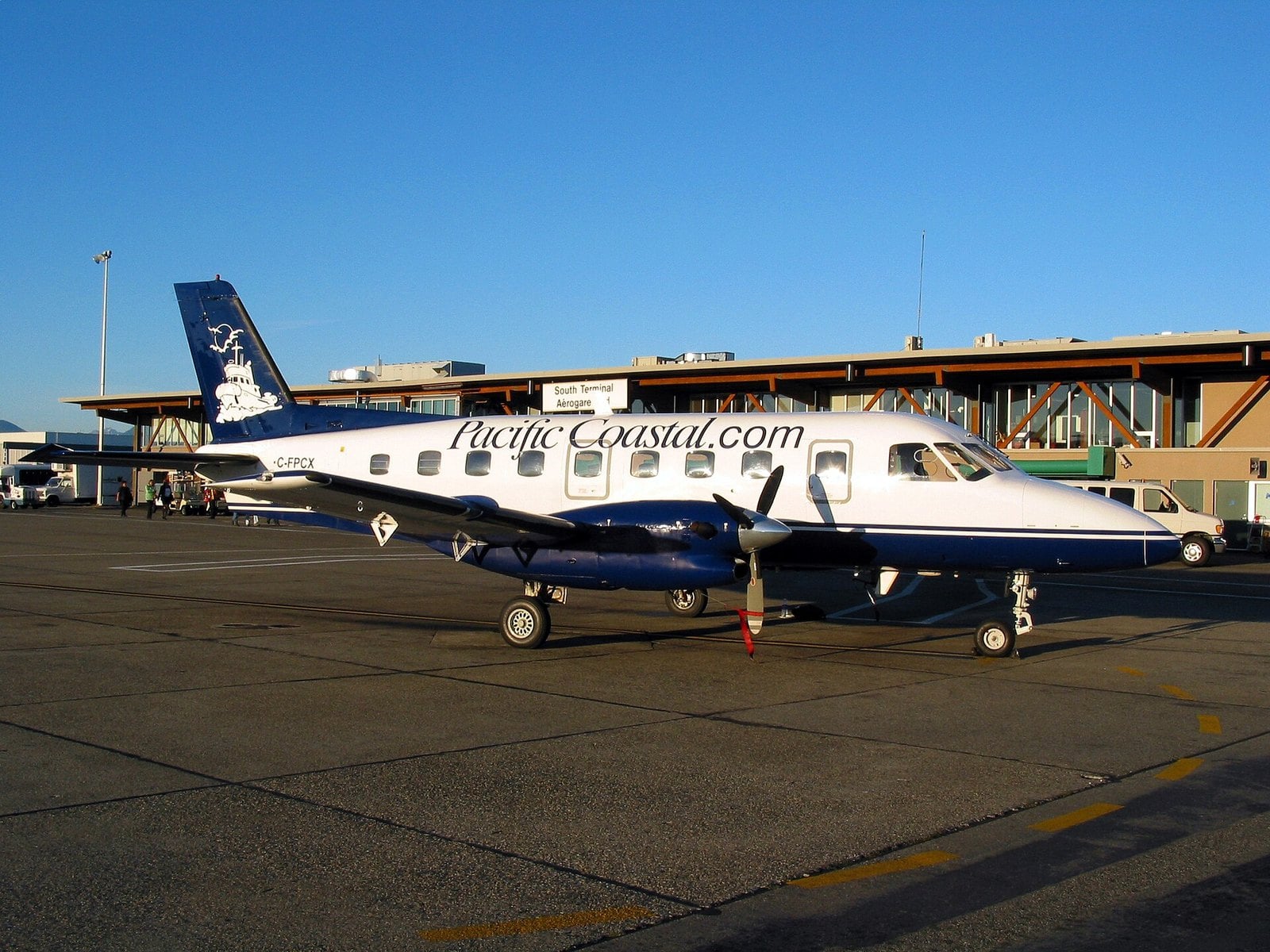
Richmond’s airport didn’t start on Sea Island. In 1929, BC’s second licensed airfield opened in a farmer’s field just north of the Lansdowne racetrack. It was called Vancouver Air Port and used a 40-acre strip, about 16 hectares, south of Alexandra Road.
Two years later, in 1931, the airport moved to Sea Island. It began with a small wood-frame administration building that handled 1,072 passengers that first year. During the Second World War the airport and its original terminal were leased to the federal government. That original airport site is now YVR’s South Terminal area (the heritage society notes the first terminal building burned in 1949 and was replaced in 1950).
The South Terminal area is off Russ Baker Way on Sea Island. It’s free to see from public roads. The Canada Line serves the main terminal.
Local tip: the South Terminal and the floatplane docks nearby are the closest you can get to the 1930s airport.
17. Burkeville, the wartime village (Sea Island)
Where: Sea Island
When: Built during the Second World War. Still a residential neighbourhood.
Cost: Free (public streets)
Getting there: Off Russ Baker Way, near the YVR South Terminal
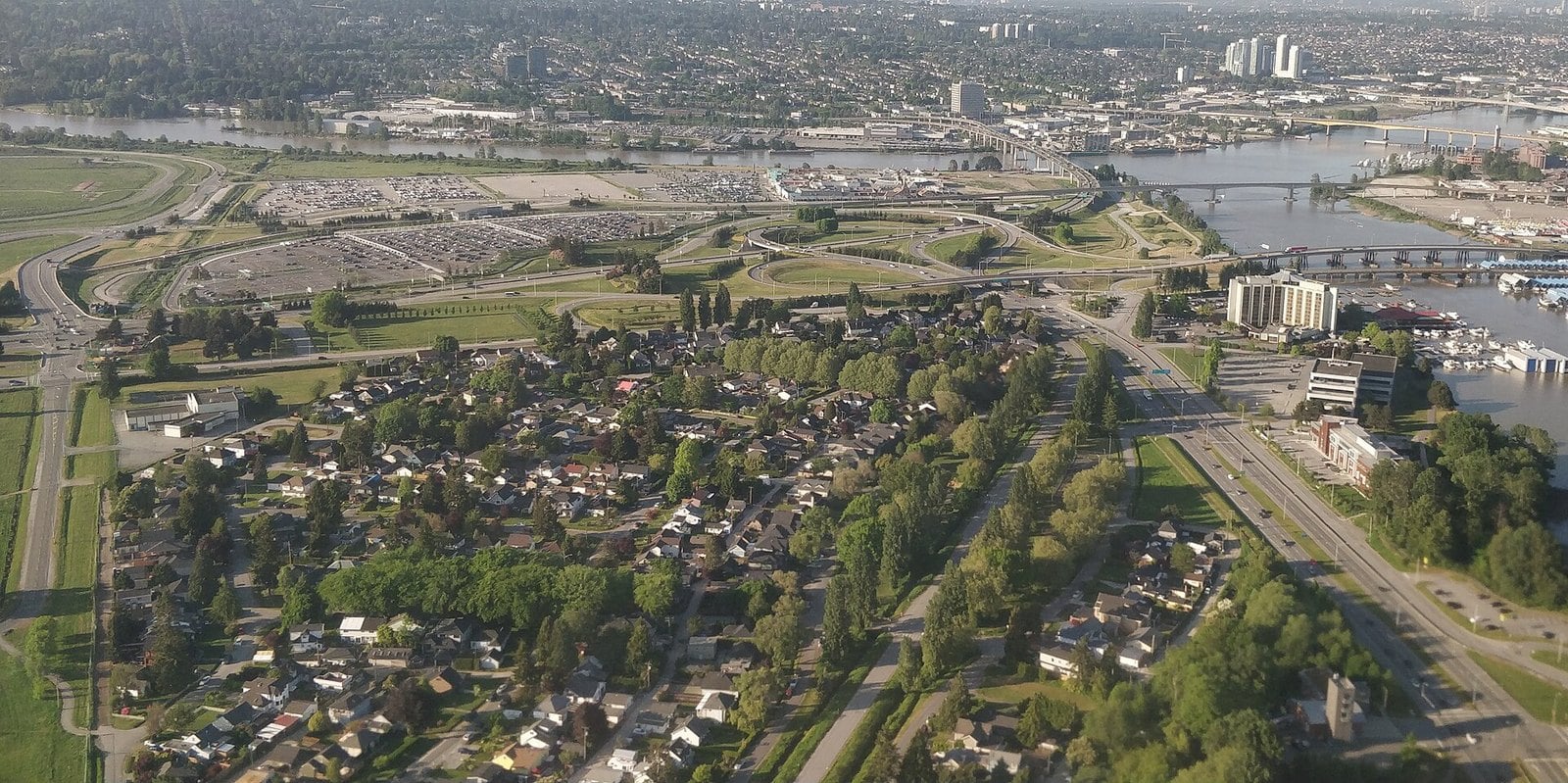
Burkeville was built during the Second World War to house workers at Boeing’s Sea Island plant. It was named after Stanley Burke, president of Boeing Aircraft in Canada.
The street names give it away. They’re named after wartime aircraft, including Anson, Boeing, Douglas and Catalina. Burkeville is the only remaining residential area on Sea Island.
It’s off Russ Baker Way, near the YVR South Terminal, which makes it an easy add-on to the airport history above.
Remember that people live here. Stay on public streets and sidewalks, and don’t photograph private homes.
16. Richmond Square, before it was Richmond Centre (No. 3 Road)
Where: No. 3 Road at Granville Avenue
When: Opened 1964. Merged into Richmond Centre 1989.
Cost: Free
Getting there: Richmond-Brighouse Canada Line station
Richmond Square opened in 1964 on part of the old Brighouse and Minoru racetrack. Simpsons-Sears and Zellers were the anchors.
By 1971 the stores included Field’s, McCallum Hardware, Drugcraft Pharmacy and Eve’s Style Shop. In 1989 it merged with the neighbouring mall and the two became Richmond Centre.
It’s free to walk through and sits at Richmond-Brighouse Canada Line station.
Local tip: a local resident colourized 1971 photos of the store signs with help from the City of Richmond Archives, and the Richmond News featured them. Worth a look before you go.
15. Lansdowne Park racetrack, later Lansdowne Centre (No. 3 Road)
Where: No. 3 Road at Alderbridge Way
When: Racing 1924 to 1960, training track until 1973. Mall built 1977.
Cost: Free to walk through the mall
Getting there: Lansdowne Canada Line station, on No. 3 Road beside the mall
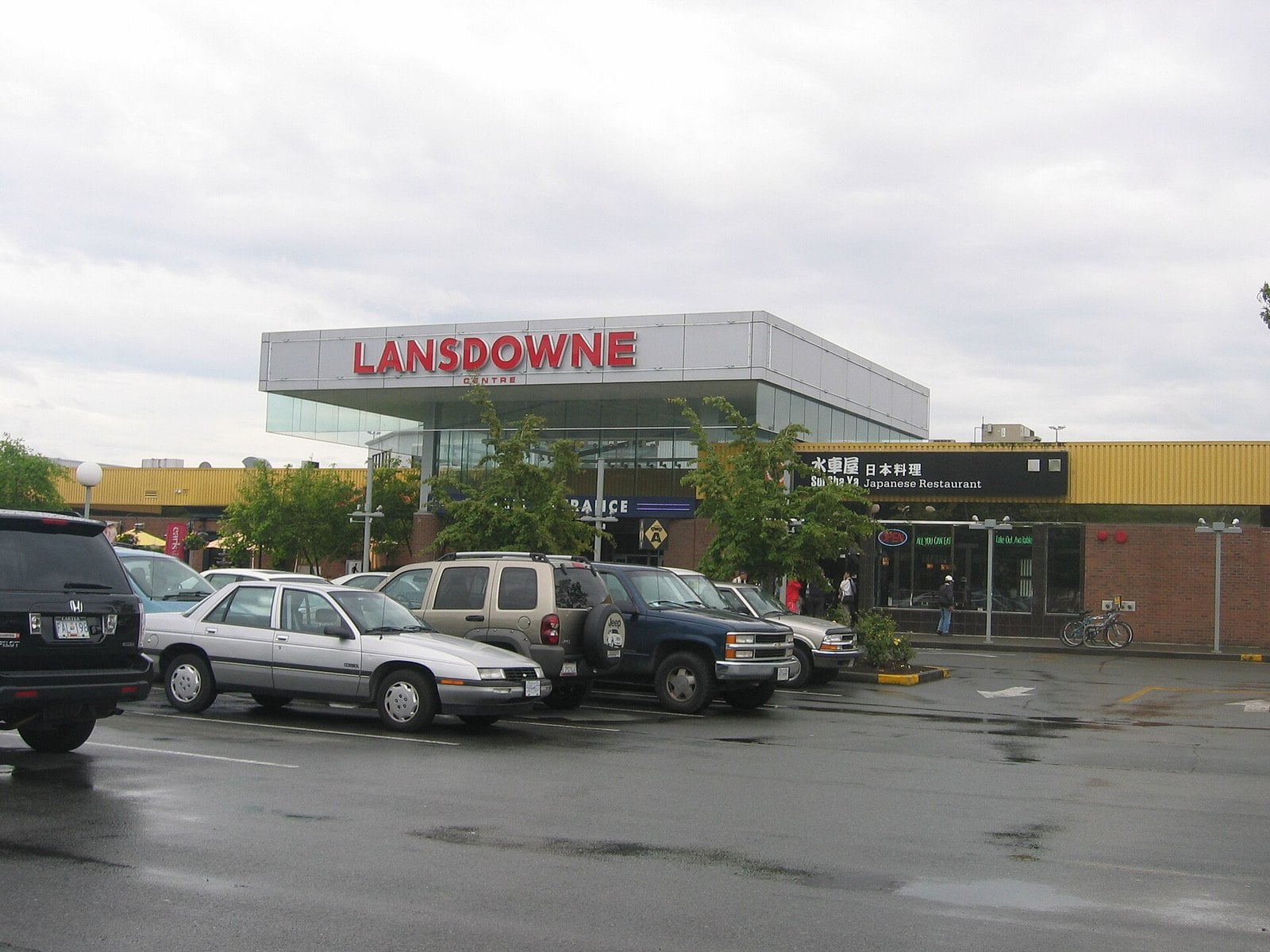
Lansdowne Park opened in 1924 as a second track, so Richmond could hold more racing days under provincial rules. With it, the town could run four seven-day race sessions a year.
The mall’s own marketing says the grandstands held up to 4,500 people and the clubhouse 1,000. Racing ended in 1960, and the track was used for training until 1973. Lansdowne Centre was built on the site in 1977.
The site is about to change again. A large redevelopment is planned, and the city’s approved plan keeps the mall open during the first phase of construction. Lansdowne Canada Line station is on No. 3 Road beside the mall.
Local tip: look up the City of Richmond Archives photo of horses working out at Lansdowne around 1960. Then stand in the parking lot and work out where they ran.
14. Minoru Racetrack, later Brighouse Park, now Minoru Park (City Centre)
Where: Minoru Park, City Centre
When: Racing 1909 to 1914 and 1920 to 1941. Park open year-round.
Cost: Free
Getting there: Next to Richmond-Brighouse Canada Line station and CF Richmond Centre
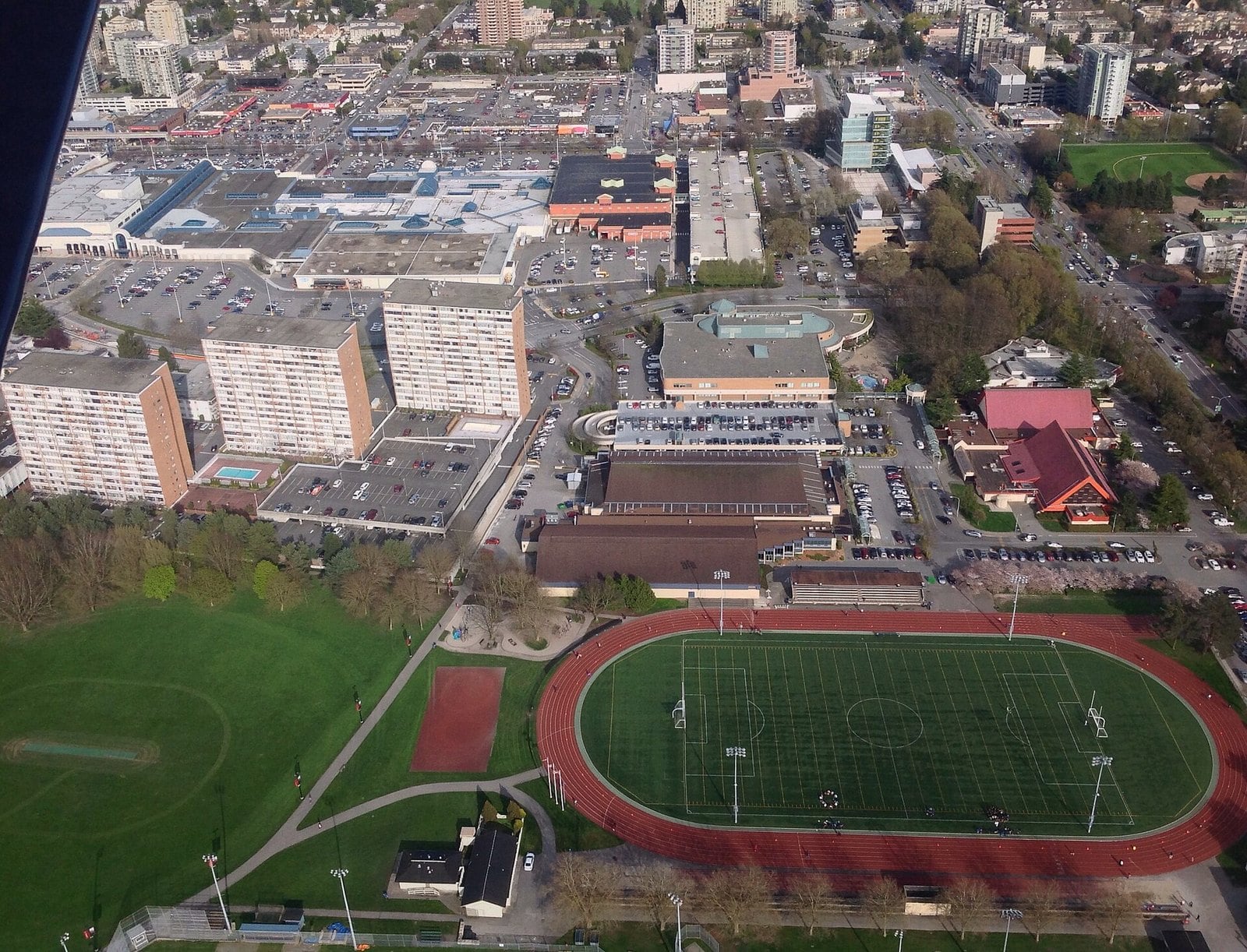
Before there was a City Hall, a library or a Richmond Centre, there was a horse track. Minoru opened in 1909 as Richmond’s first racetrack. It was a one-mile oval, about 1.6 kilometres around, named after the horse that won the Epsom Derby that year.
Racing stopped during the First World War. The track came back in 1920 as Brighouse Racetrack and ran until 1941. The municipality bought the land in 1958. The old oval covered the ground now under City Hall, part of what is now Richmond Centre, and Minoru Park.
So if you cut across the park to the mall, you were on the old track. The park is free and open year-round, right beside Richmond-Brighouse Canada Line station.
A local real estate guide says the park’s running track follows the line of the old oval. No official source confirms that, so treat it as a story to test on foot.
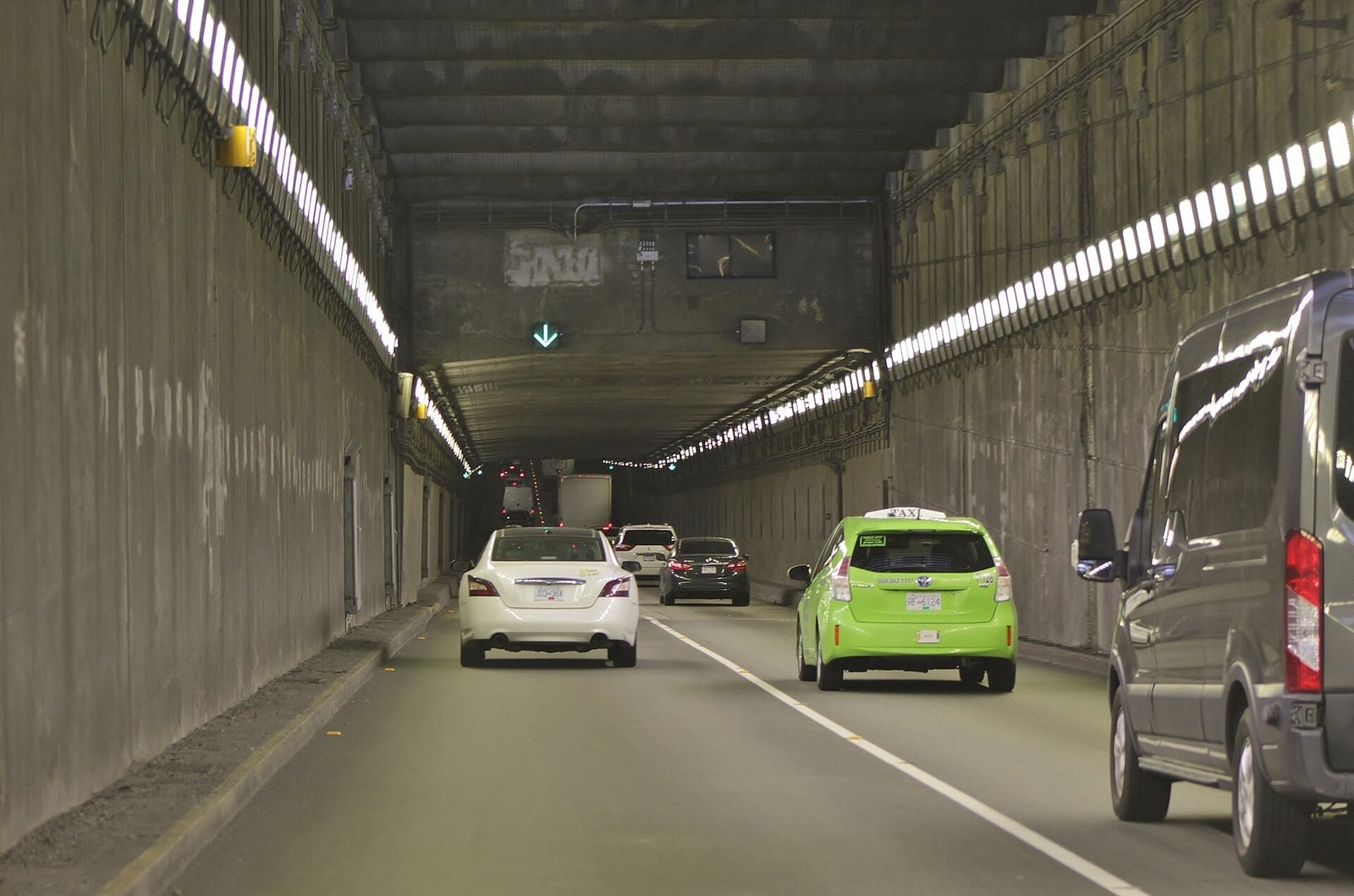
13. The Deas Island Tunnel, now the George Massey Tunnel (Richmond to Delta)
Where: Highway 99 under the South Arm of the Fraser, Richmond to Delta
When: Opened 1959. Renamed 1967.
Cost: Free today
Getting there: Highway 99 south of Steveston Highway
The tunnel under the Fraser River’s South Arm took its first cars on Saturday, May 23, 1959. It was officially opened on July 15 that year.
Like the Oak Street Bridge, it began as a toll crossing. The official project history puts the toll at 50 cents a trip. It was renamed the George Massey Tunnel in 1967.
It’s free today and sits on Highway 99 south of Steveston Highway. Plenty of older locals still call it the Deas Island Tunnel, so you’ll hear both names.
| Crossing | Opened | Original toll | Since then |
|---|---|---|---|
| Oak Street Bridge | 1957 | 25 cents | Toll ended 1959. Free today. |
| Deas Island Tunnel | 1959 | 50 cents per trip | Toll removed 1964. Renamed George Massey Tunnel 1967. Free today. |
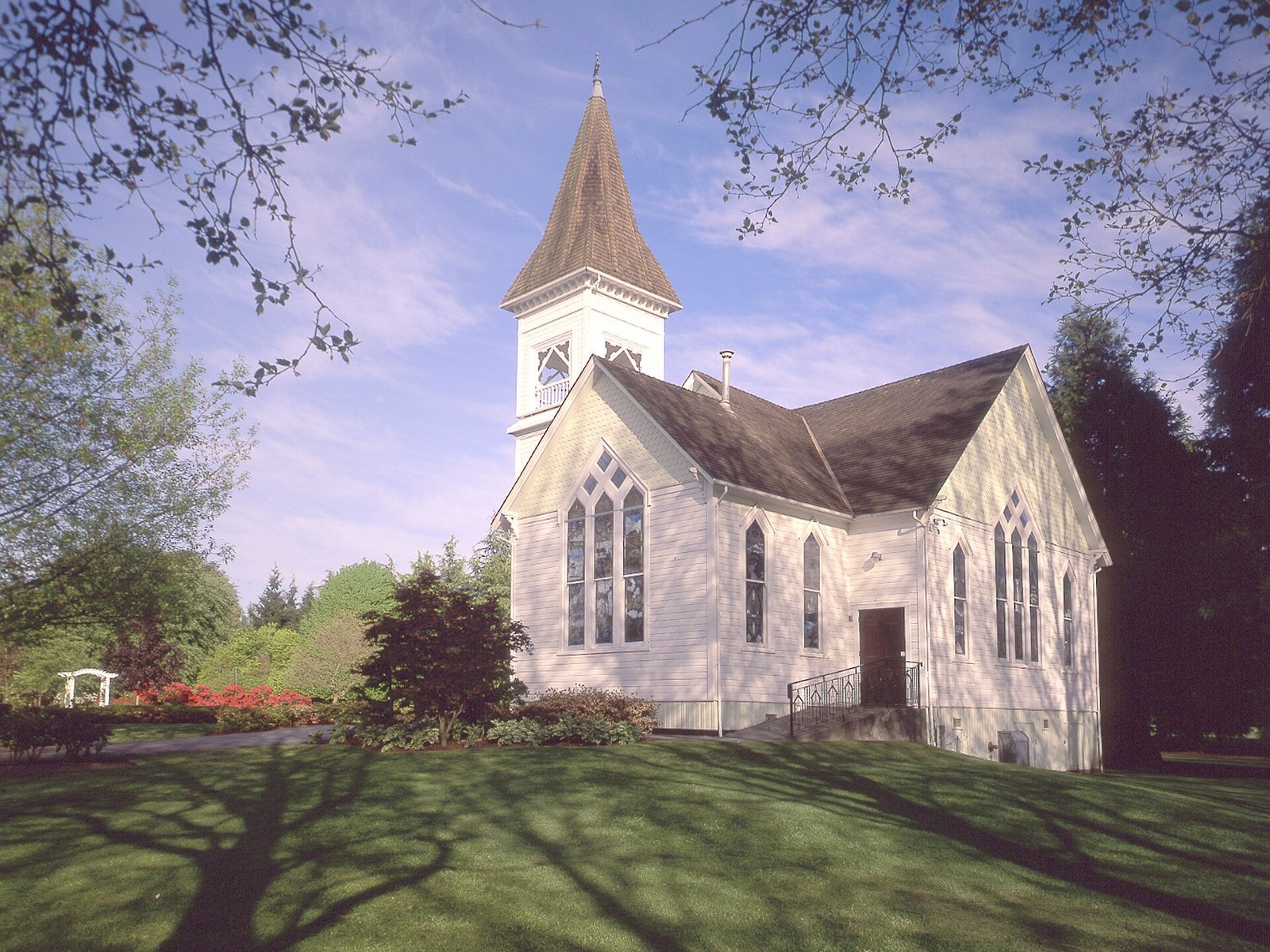
12. Minoru Chapel (Minoru Park)
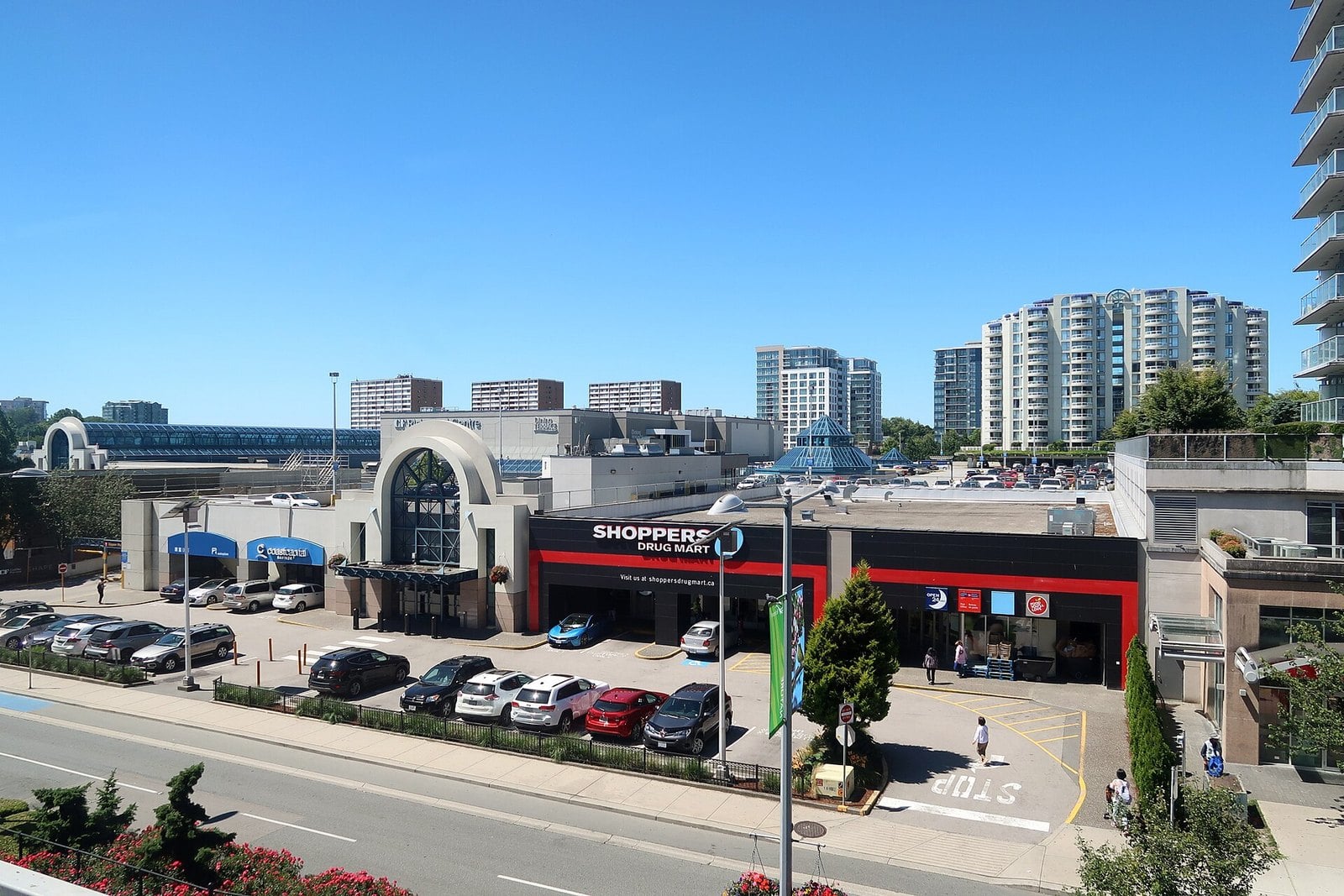
Where: 7191 Granville Avenue, Minoru Park
When: Exterior any time. Inside access depends on bookings.
Cost: Free to view from outside
Getting there: West side of Minoru Park, near Richmond-Brighouse station
Richmond’s first church was built in 1891 at River Road and Cambie Road. It was put close to the Fraser so people could reach it by boat.
In 1967 it was moved to Minoru Park as a Canadian centennial project. It’s still a working chapel. In 2010 alone it hosted 127 weddings, memorials and baptisms.
You can see the outside any time, and that costs nothing. Getting inside depends on bookings. It’s on the west side of Minoru Park, near Richmond-Brighouse station.
Weekends are often booked for weddings. Keep your voice down and keep a respectful distance if you’re taking photos.
11. London Farm (Dyke Road)
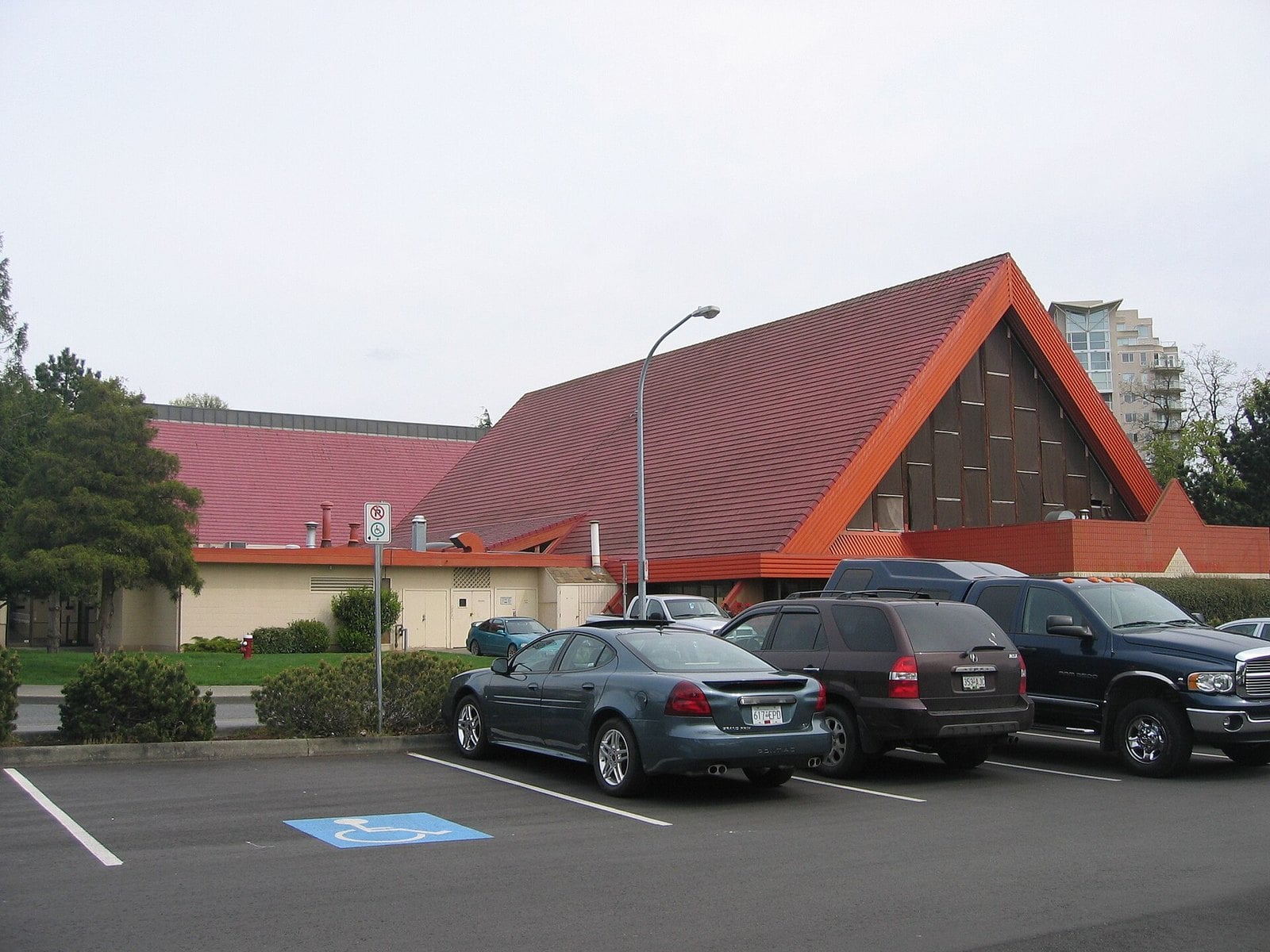
Where: 6511 Dyke Road
When: Farmhouse closed Oct 1 to Dec 31, 2026. Grounds open. 2027 schedule not posted yet.
Cost: Free. Afternoon teas and Family Farm Day are separate events; check the site for details.
Getting there: Dyke Road east of Steveston, on the Fraser River dike
The London brothers bought 200 acres here, about 81 hectares, in 1880 for $2,000. The municipality bought the farmhouse and 4½ acres, about 1.8 hectares, in 1978 and made it a heritage site.
Inside, the farmhouse is furnished as a rural Richmond home from about 1880 to 1930. Admission is free. Afternoon teas and Family Farm Day are separate events; check the site for details.
Timing matters here. The farmhouse is closed October 1 to December 31, 2026, and the 2027 schedule hasn’t been posted yet. The grounds stay open. Watch the London Farm visit page for updates.
It’s on Dyke Road east of Steveston, along the Fraser River dike. Family Farm Day in 2026 was Sunday, August 9. The 2027 date isn’t posted yet, so check in spring.
| Place | Address | Hours | Cost |
|---|---|---|---|
| Steveston Museum and Post Office | 3811 Moncton Street | Mon to Sat 9:30am to 5pm, Sun noon to 4pm | Free (donations welcome) |
| Steveston Tram | 4011 Moncton Street | Tue to Sun 10am to 4pm to Nov 26; 10am to 5pm Nov 27 to Dec 31 | Free |
| Gulf of Georgia Cannery | 12138 Fourth Avenue | Daily 10am to 5pm (check closed dates) | Adults $14.75, seniors $12.50, youth 17 and under free |
| Britannia Shipyards | 5180 Westwater Drive | Fri to Sun 10am to 4pm to Nov 22; Fri to Sun 10am to 5pm Nov 27 to Dec 20; daily 10am to 5pm Dec 27 to 31 | Free |
| London Farm | 6511 Dyke Road | Farmhouse closed Oct 1 to Dec 31. Grounds open. | Free |
| Garry Point Park | 12011 Seventh Avenue | Open year-round | Free |
10. The International Buddhist Temple (Steveston Highway)
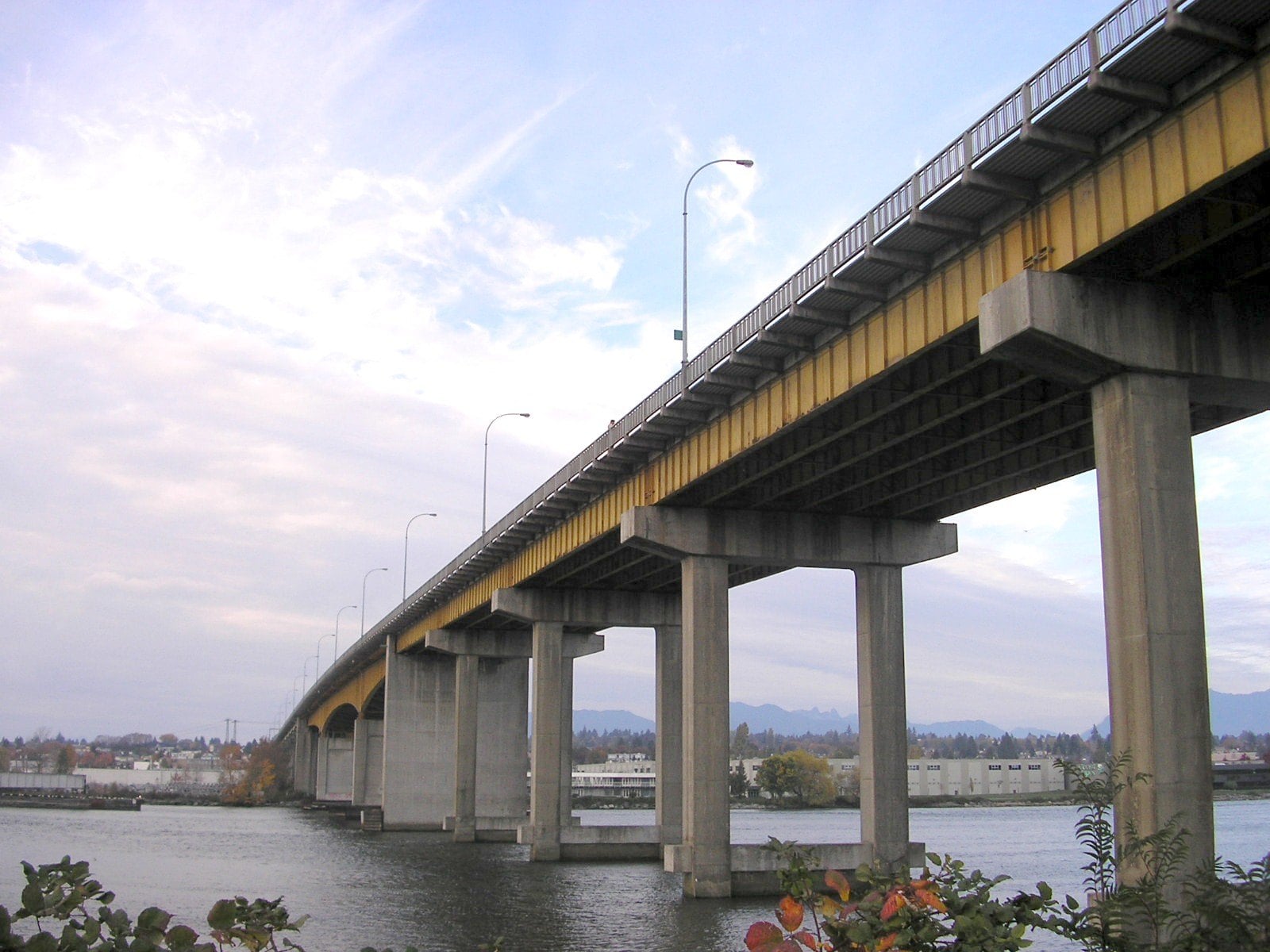
Where: 9160 Steveston Highway
When: Open daily 9am to 5pm. Open to the public since 1983.
Cost: Free (donations accepted)
Getting there: Steveston Highway between No. 3 and No. 4 Roads
The International Buddhist Society says its Main Gracious Hall was finished in September 1983, when the temple opened to the public. It was built in Chinese imperial style.
Visitors of any faith are welcome. Entry is free, and donations are accepted. It’s open daily from 9am to 5pm. Guided tours are currently suspended, so check the temple’s website first.
It’s on Steveston Highway between No. 3 and No. 4 Roads.
Check the temple’s rules on photography before taking pictures inside the halls.
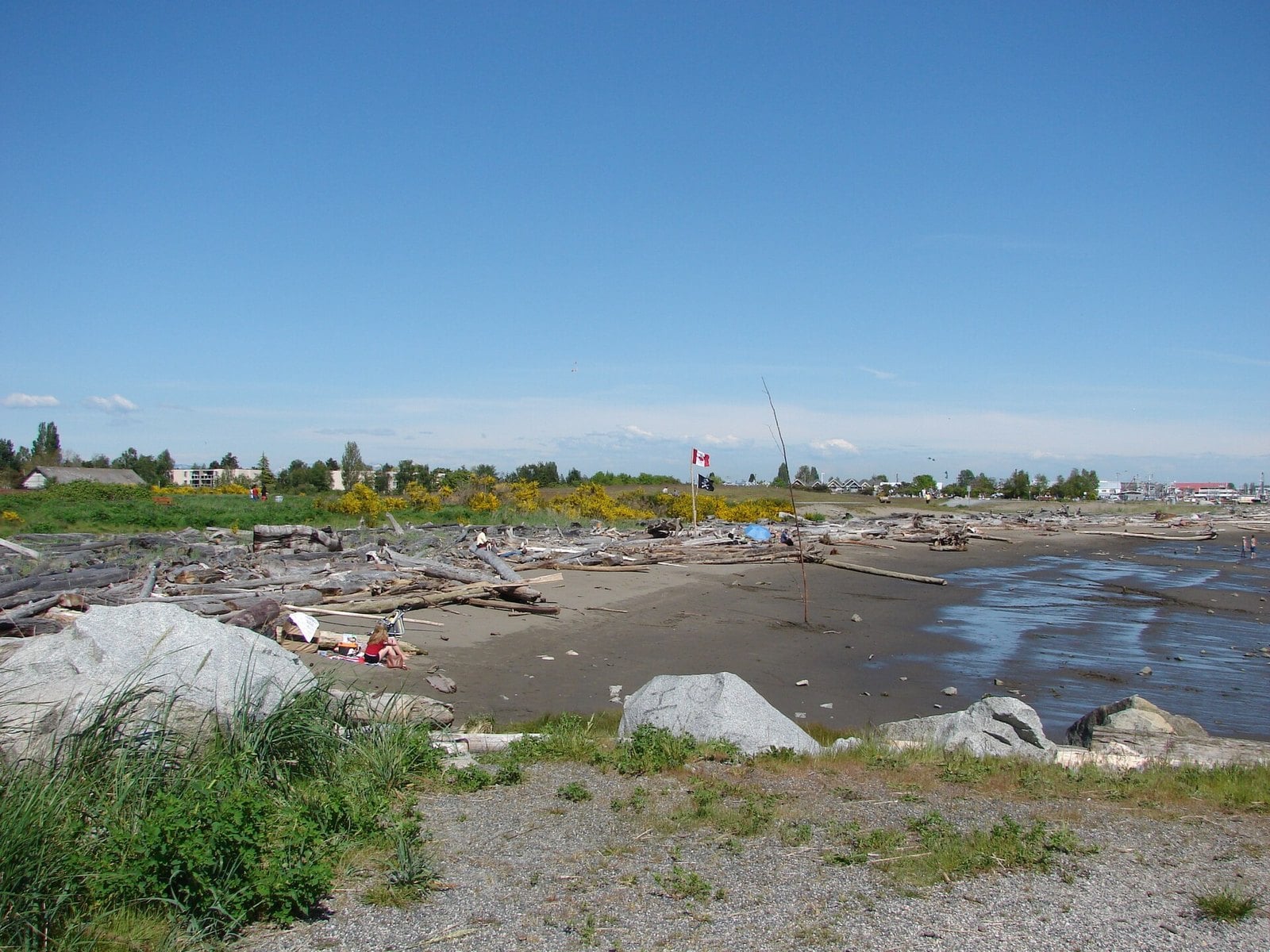
9. Walking out on the Iona jetty (Iona Beach Regional Park)
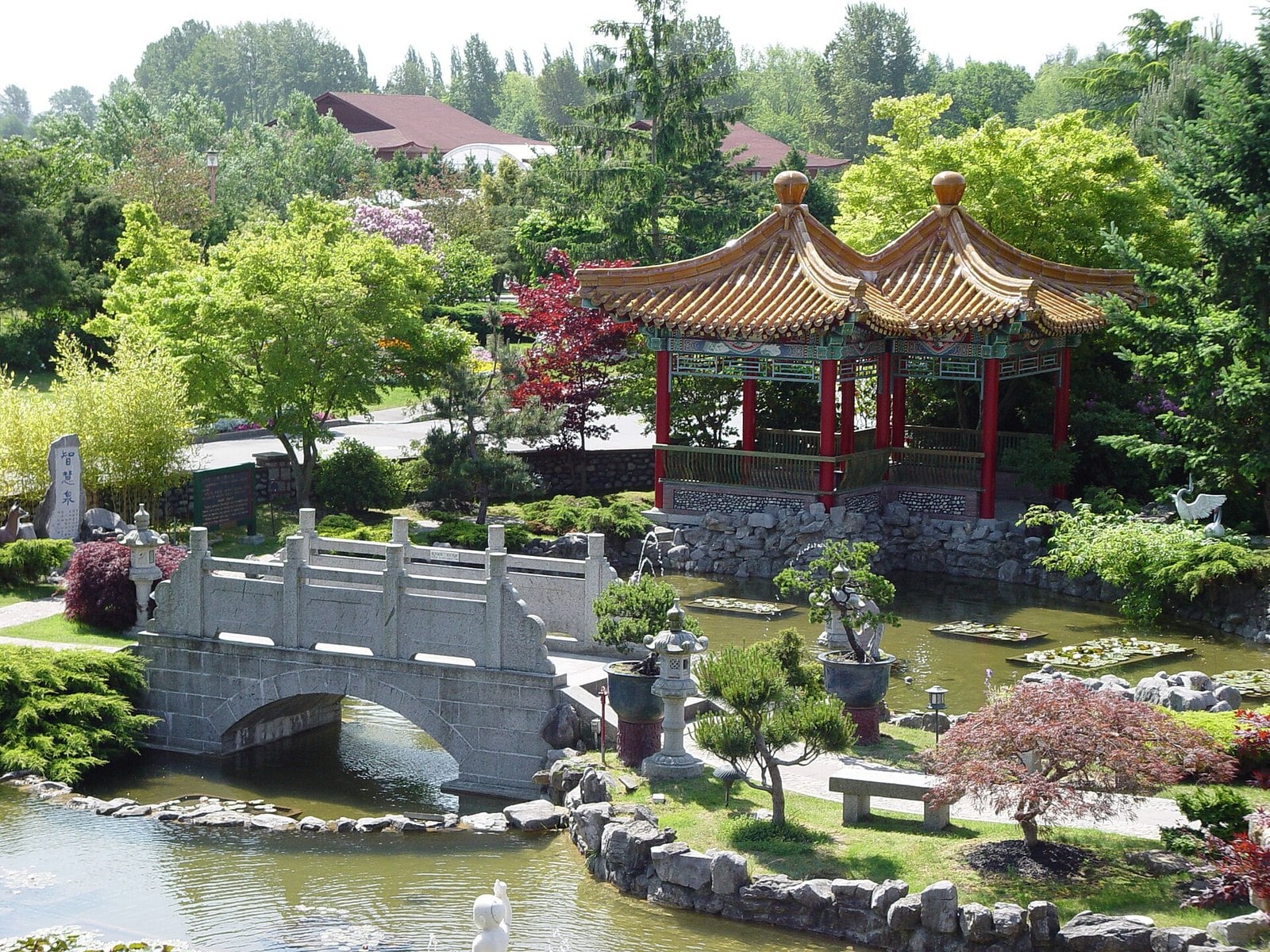
Where: Iona Beach Regional Park, north of YVR
When: Construction may close trails. Check Metro Vancouver alerts first.
Cost: Free
Getting there: Ferguson Road across Sea Island
The long walk on the Iona jetty is a Richmond rite of passage, and most people never think about what’s underneath. The trail runs over outfall pipes from the Iona Island Wastewater Treatment Plant, which were built in 1987.
The plant itself was commissioned in 1963. It’s one of the last primary-only treatment plants in North America. Metro Vancouver is upgrading it to meet regulatory requirements by 2030, according to the City of Richmond.
The park is free and reached by Ferguson Road across Sea Island.
Go prepared: the pipes have shown signs of cracking, and the jetty trails have closed during past inspection and repair work. Check Metro Vancouver’s alerts before you drive out. The park closes at night and the gates are locked, so check the closing time posted at the entrance; it’s earlier in winter.
8. Steveston Museum and Post Office, the old Northern Bank (Steveston)
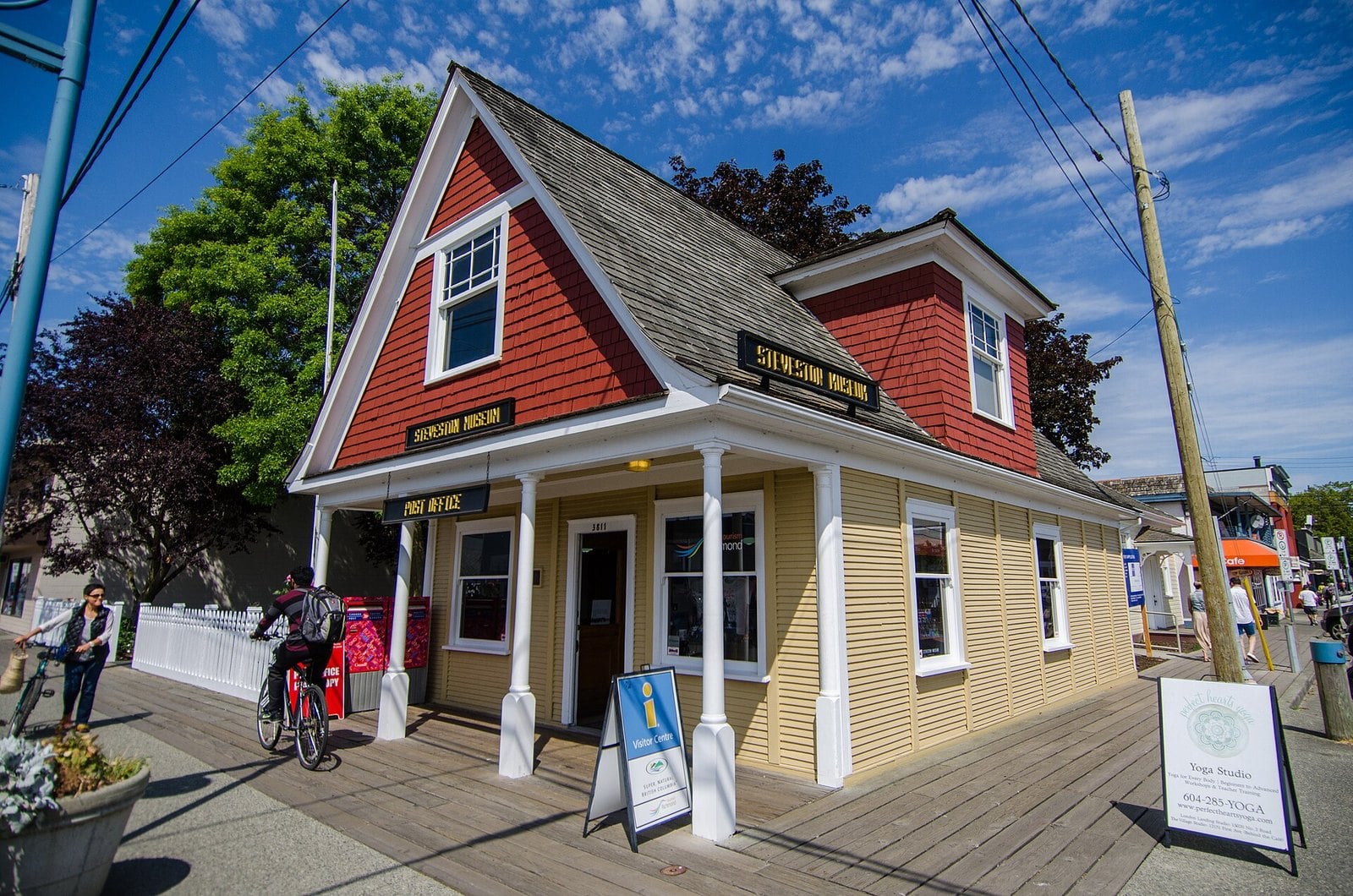
Where: 3811 Moncton Street, Steveston
When: Mon to Sat 9:30am to 5pm, Sun noon to 4pm. Closed statutory holidays.
Cost: Free (donations welcome)
Getting there: Centre of Steveston Village on Moncton Street
This 1905 building was Steveston’s first bank. It’s a prefabricated building, an early example of the method. It opened as a Northern Bank and later ran as a Royal Bank branch for almost 50 years.
In 1979 it became the Steveston Museum and the village post office. The attached Japanese Fishermen’s Benevolent Society building has an exhibit on Steveston’s Japanese Canadian community.
Hours are Monday to Saturday 9:30am to 5pm and Sunday noon to 4pm, closed on statutory holidays. Entry is free, and donations are welcome. Details are on the museum’s visit page.
Local tip: it’s still a working post office. You can mail a postcard from inside a 1905 bank.
7. Britannia Shipyards and the Murakami House (Steveston)
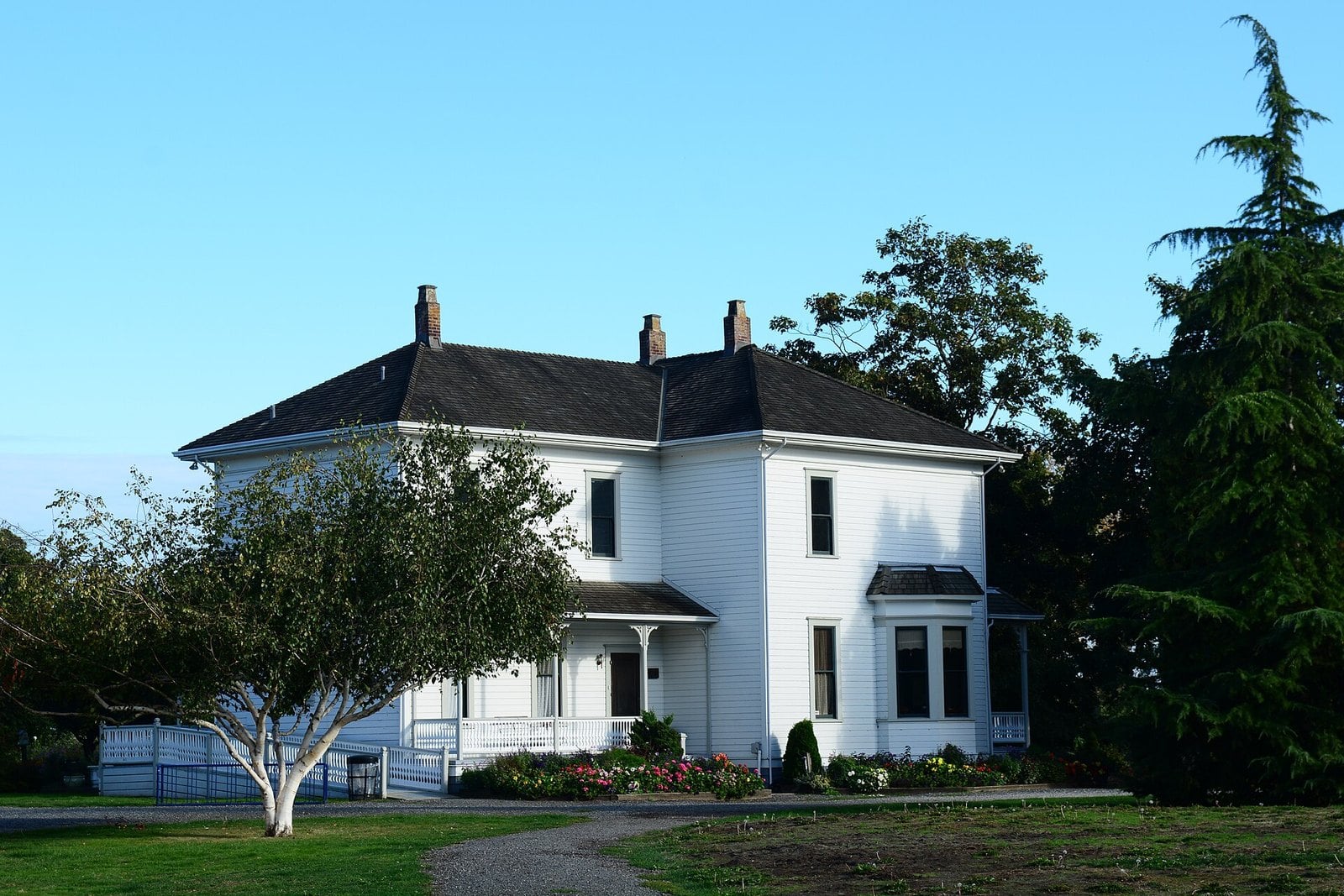
Where: 5180 Westwater Drive, Steveston
When: Oct 6 to Nov 22, 2026: Fridays to Sundays, 10am to 4pm. Nov 27 to Dec 20: Fridays to Sundays, 10am to 5pm. Dec 27 to 31: daily, 10am to 5pm. Closed statutory holidays.
Cost: Free entry to the heritage buildings
Getting there: Short walk east of Steveston Village on the riverfront boardwalk
The main shipyard building started life in 1889 as the Britannia Cannery. Today the site is an eight-acre waterfront village of wooden, shingle-sided buildings, about 3.2 hectares, and it’s a national historic site.
The Murakami House is the one to slow down for. It shows the home of a Japanese Canadian family who lived there from 1929 until they were forcibly uprooted in 1942. Pair it with the exhibit at the Steveston Museum for the fuller story of the community.
Winter hours for 2026 are Fridays to Sundays, 10am to 4pm, from October 6 to November 22, then Fridays to Sundays, 10am to 5pm, from November 27 to December 20. From December 27 to 31 it’s open daily, 10am to 5pm. It’s closed on statutory holidays. The heritage buildings are free. It’s a short walk east of the village along the riverfront boardwalk.
The Seine Net Loft is currently closed for repairs, and other buildings can close for high tides or maintenance. The site’s planning page says to call 604-238-8050 on the day you visit.
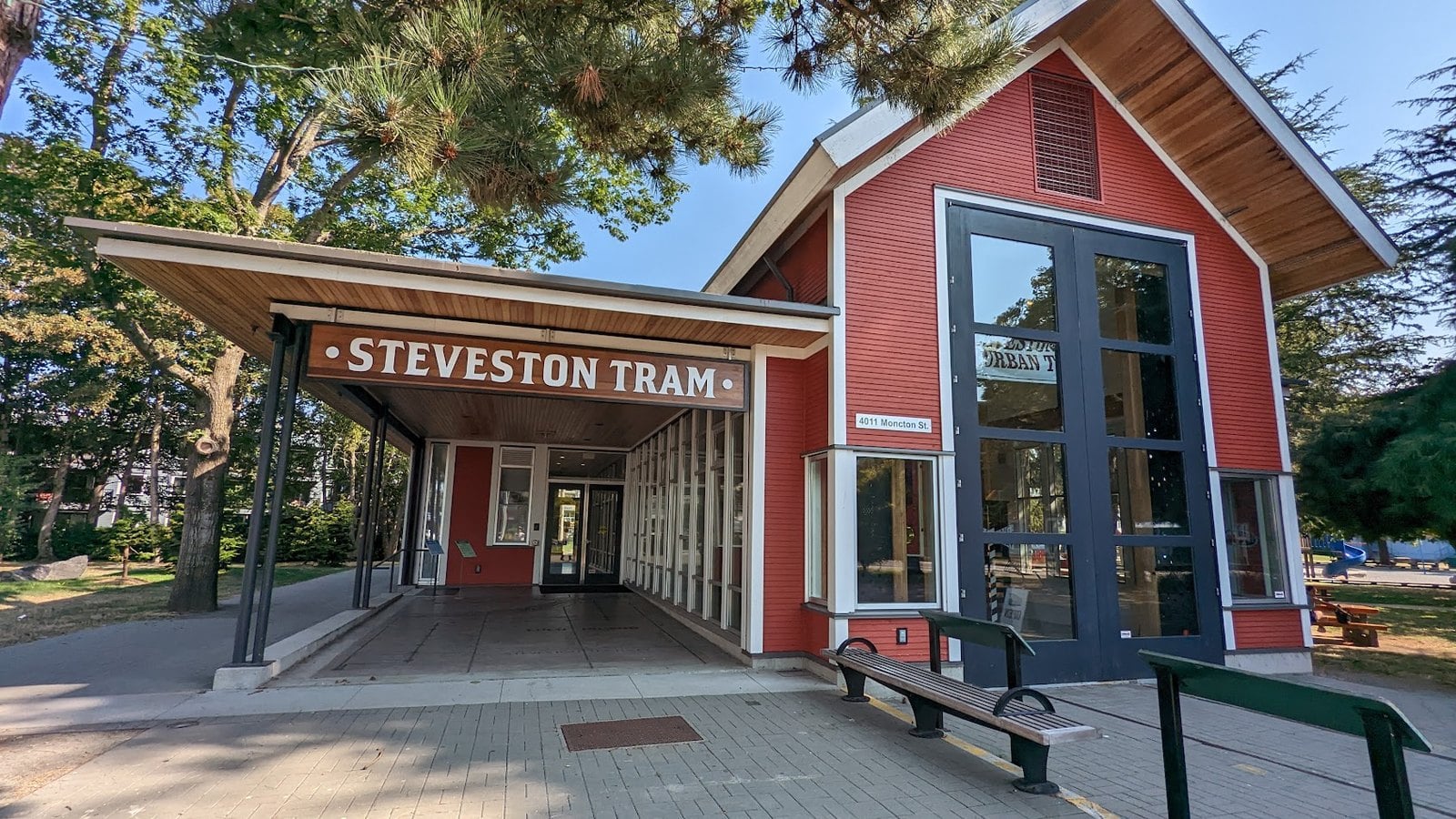
6. The interurban tram and Tram Car 1220 (Steveston)
Where: 4011 Moncton Street, Steveston
When: Oct 6 to Nov 26, 2026: Tuesday to Sunday, 10am to 4pm; Nov 27 to Dec 31: Tuesday to Sunday, 10am to 5pm. Closed statutory holidays.
Cost: Free
Getting there: Corner of No. 1 Road and Moncton Street
BC Electric Railway interurban trams used to run between Vancouver and Steveston. The trip from downtown took about 45 minutes, and the line helped build up Richmond’s city centre. The last run between Marpole and Steveston was on February 28, 1958.
There were 28 cars in the 1200 class. Five survive, and Car 1220 is one of them. It made that final trip, and today it’s restored and displayed across from the site of the old Steveston Station in a free museum in the village.
Winter hours for 2026 run October 6 to November 26, Tuesday to Sunday, 10am to 4pm, then November 27 to December 31, Tuesday to Sunday, 10am to 5pm, closed on statutory holidays. The Winter Tram holiday program runs December 1 to 31 during those regular hours. Check the Steveston Tram visit page before you go.
It’s at the corner of No. 1 Road and Moncton Street, a short walk from the museum and the cannery.
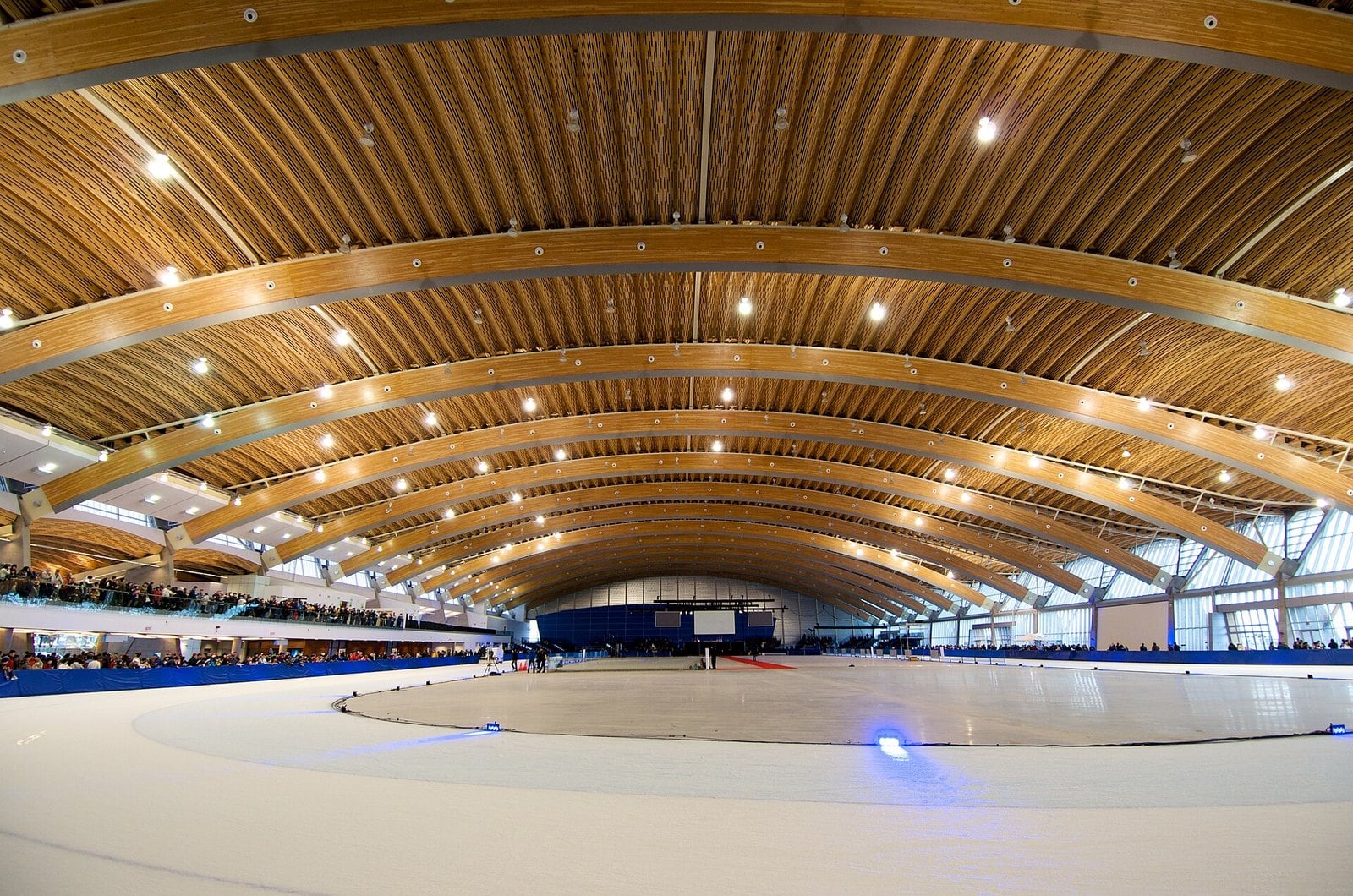
5. The Olympic Oval (River Road)
Where: 6111 River Road
When: Opened December 2008. Olympic speed skating February 2010.
Cost: Drop-in fees vary by activity
Getting there: Lansdowne Canada Line station, then west on Lansdowne Road to the river
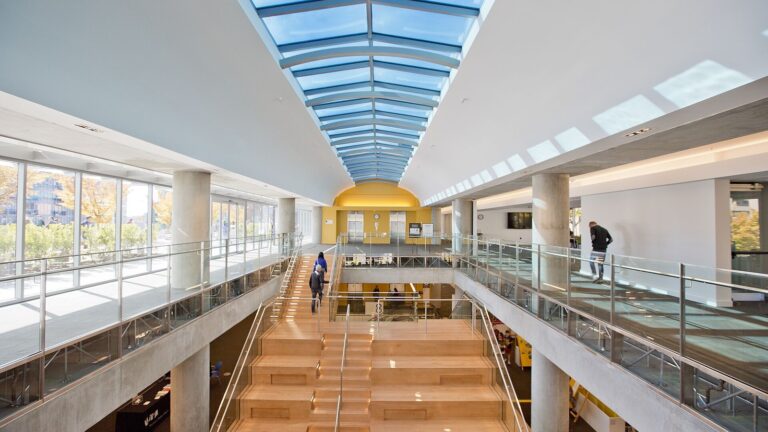
The Oval was built as the speed skating venue for the 2010 Winter Olympics. It opened in December 2008 at a reported cost of about $178 million, and hosted Olympic speed skating in February 2010.
After the Games it was converted into a community sports centre. For anyone who grew up after 2010, that’s the only version they know.
Drop-in fees vary by activity, so check the Oval’s website before you go. The closest transit is Lansdowne Canada Line station. Walk west on Lansdowne Road to the river.
Local tip: add a walk on the riverside dike path outside.
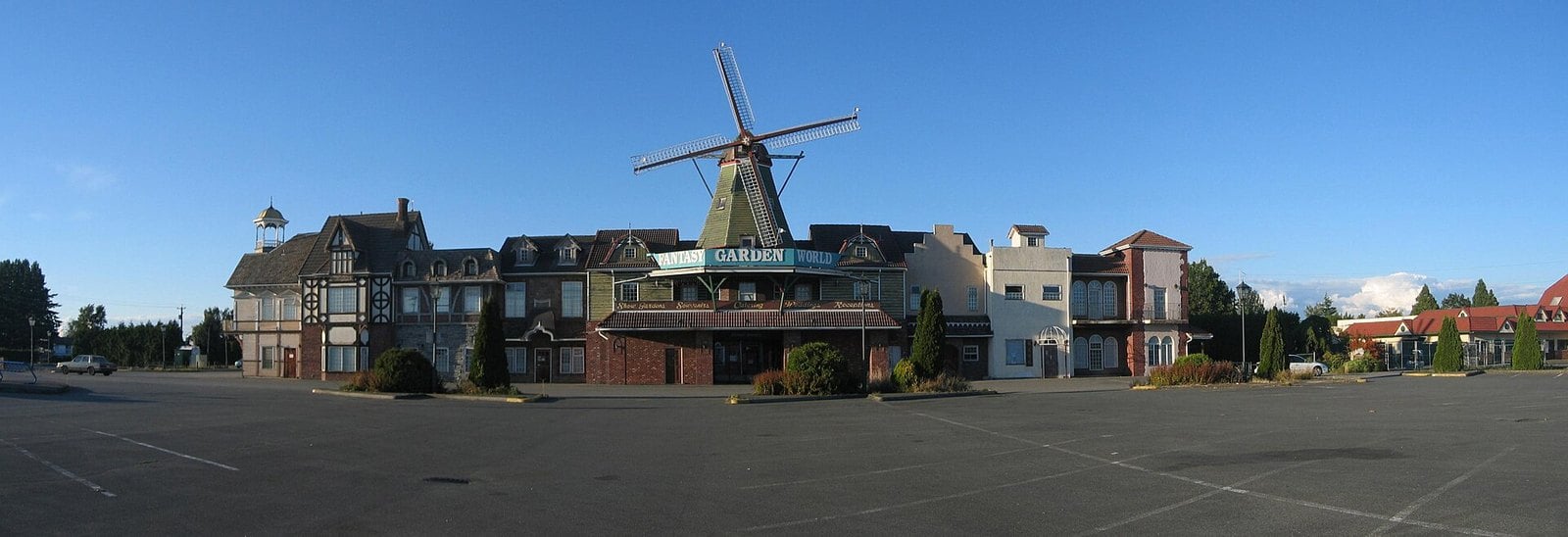
4. Fantasy Garden World (No. 5 Road)
Where: No. 5 Road at Steveston Highway
When: Bought 1984. Demolished around 2010.
Cost: n/a
Getting there: The Gardens Agricultural Park, 10640 No. 5 Road
Fantasy Garden World was a nursery and theme park at No. 5 Road and Steveston Highway. Bill Vander Zalm bought it in 1984 for $1.7 million.
Its best-known piece came from Expo 86. A replica Dutch castle from the fair was moved to the site by barge. The gardens were neglected in their final years and demolished in September 2010 for redevelopment. The Richmond Art Gallery documented them just before demolition.
The castle still stands. It’s now the Gardens Children’s Centre, a child care facility, in the City’s Gardens Agricultural Park at 10640 No. 5 Road. You can see it from the park paths, but don’t go into the daycare.
3. Kites at Garry Point Park and the Kuno Garden (Steveston)
Where: West end of Moncton Street and Chatham Street, Steveston
When: Open year-round
Cost: Free
Getting there: Walk west from Steveston Village
Garry Point Park officially opened in 1989 with two sand beaches, trails and a pond. The open lawns at the west end of Steveston have been the place to fly a kite ever since.
The Japanese garden at the entrance marks Steveston’s long connection with Wakayama, Japan. Between 1888 and 1988, more than 5,000 people moved from Wakayama to Steveston. Scotch Pond, inside the park, was once home to the Scottish Canadian Cannery.
It’s free to visit. You’ll find it at the west end of Moncton Street and Chatham Street (12011 Seventh Avenue).
Local tip: bring a kite on a windy day.
2. The Gulf of Georgia Cannery, the Monster Cannery (Steveston)
Where: 12138 Fourth Avenue, Steveston
When: Daily 10am to 5pm (check for closed dates)
Cost: Youth 17 and under free. Adults $14.75, seniors (65+) $12.50.
Getting there: Steveston waterfront, foot of Fourth Avenue
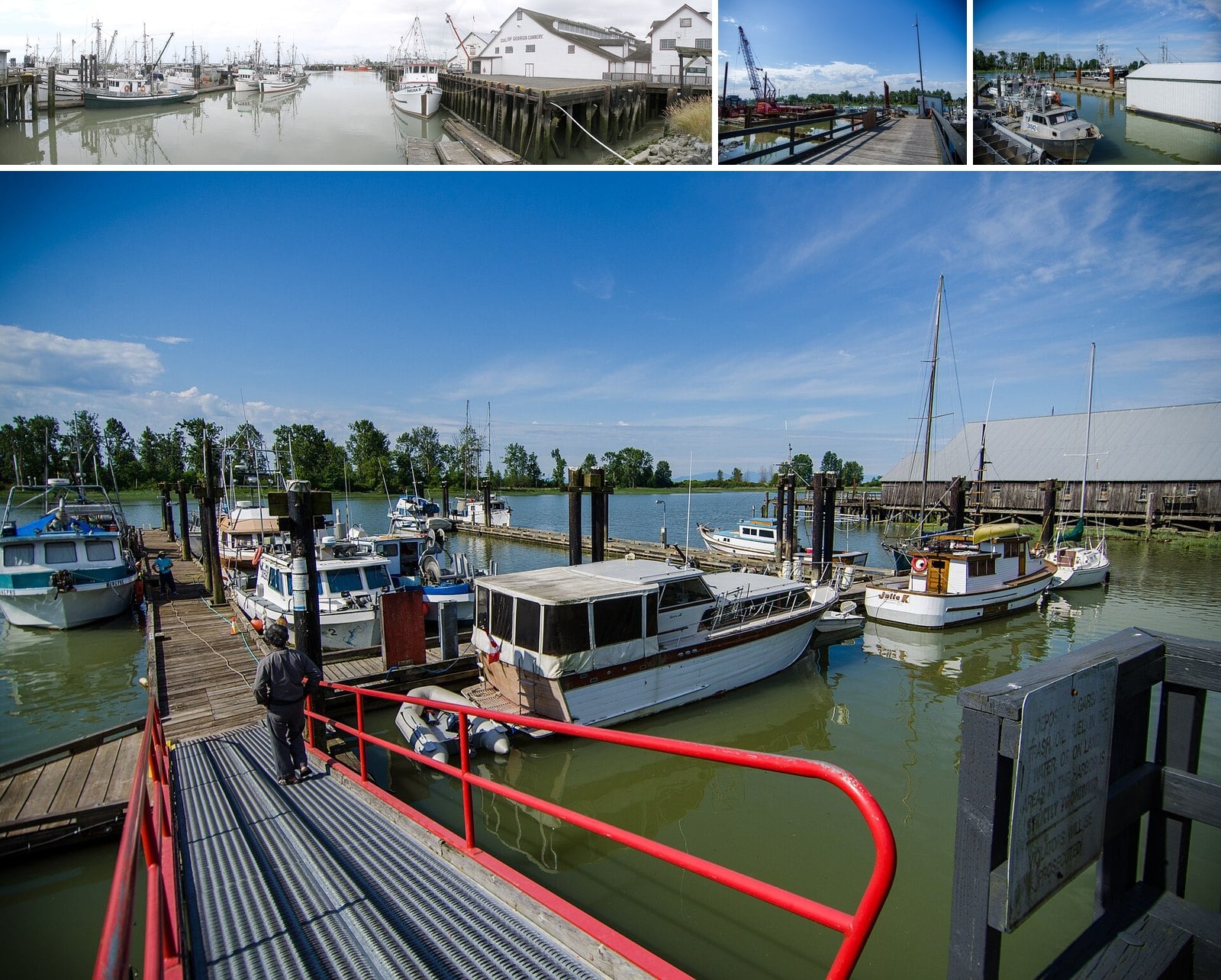
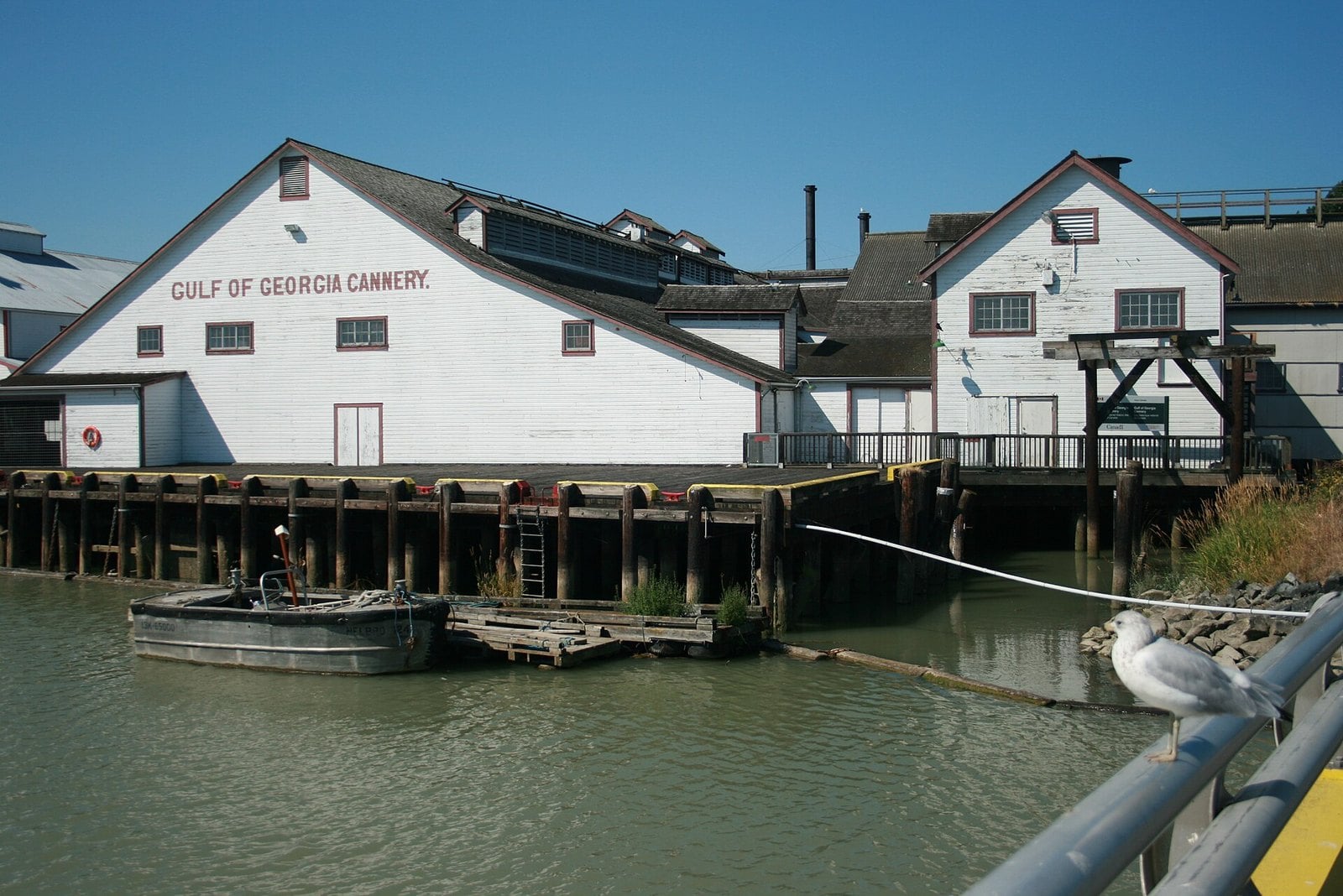
Steveston was once known as the salmon canning capital of Canada, and this building is the reason most people know that. The cannery went up in 1894 and was big enough to earn the nickname the Monster Cannery.
It became a national historic site in 1976. The reduction plant closed in 1979, and the site reopened as a Parks Canada museum in 1994. Inside you can see the canning line and the herring reduction plant.
It’s open daily from 10am to 5pm, but the official page says to check for closed dates. Youth 17 and under get in free. Adults pay $14.75 and seniors (65+) $12.50; confirm current prices on the hours and admissions page before you go.
It’s at the foot of Fourth Avenue on the waterfront. When you’re done, walk east on the boardwalk to Britannia Shipyards or west to Garry Point.
1. The Richmond Night Market (Cambie Road to Bridgeport)
Where: Started at Continental Centre on Cambie Road. Ended on River Road near Bridgeport.
When: 2000 to 2026. Closed permanently.
Cost: n/a (closed)
Getting there: n/a
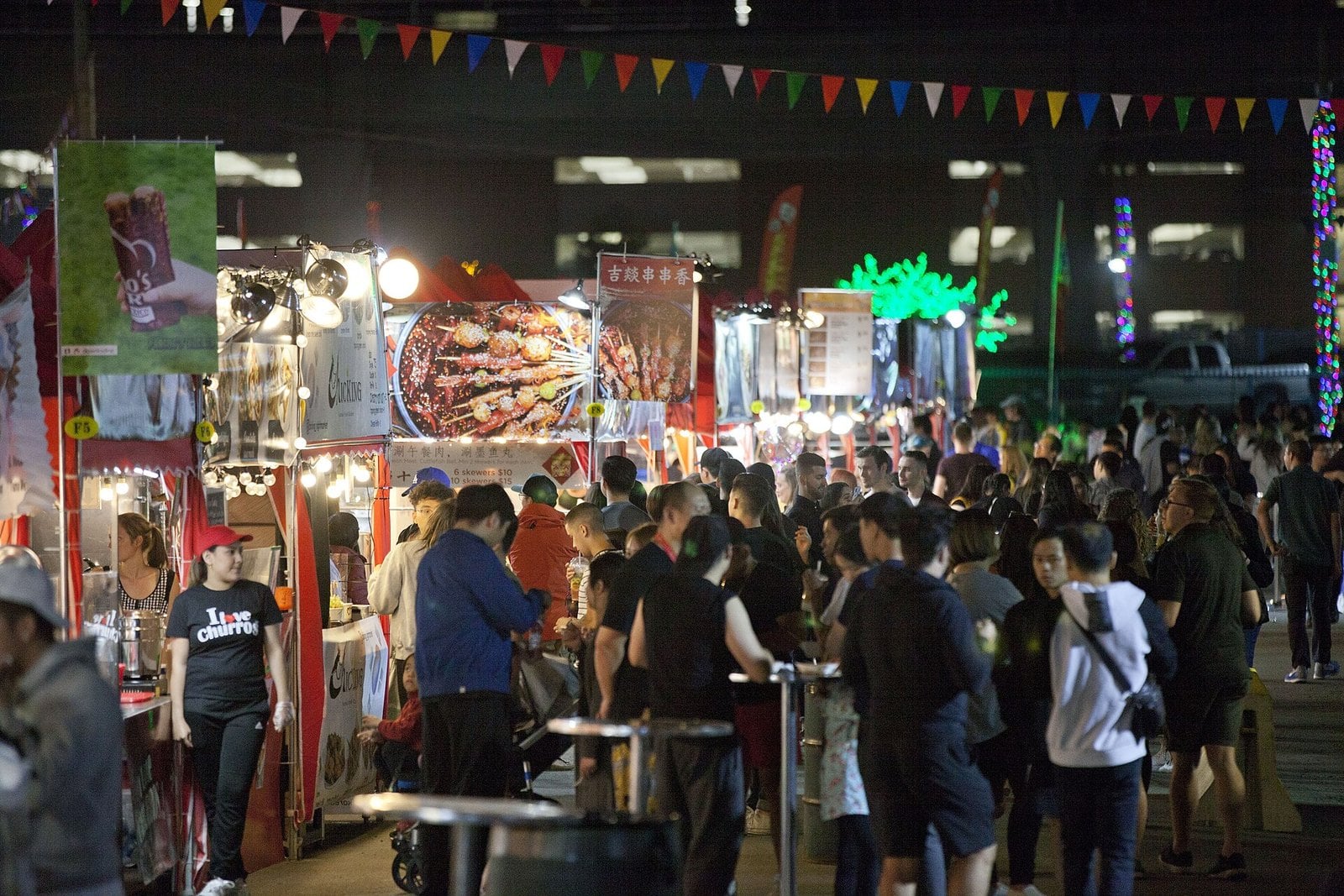
The first Richmond Night Market ran from June 30 to September 4, 2000, in the Continental Centre parking lot on Cambie Road. It later moved to a site near Bridgeport station.
It grew to about 250 vendors and more than a million visitors a year. For a lot of people it was what summer nights in Richmond meant.
Its last night was Sunday, September 20, 2026, after 26 years. Organizers haven’t announced a new location. If you see a 2027 listing, treat it as unconfirmed until the market’s own site says otherwise.
When to go
- The Steveston heritage sites are on winter hours until December 31, 2026. The tram is open Tuesday to Sunday, 10am to 4pm until November 26 and 10am to 5pm from November 27 to December 31. Britannia Shipyards is open Friday to Sunday, 10am to 4pm until November 22 and 10am to 5pm from November 27 to December 20, then daily from 10am to 5pm December 27 to 31. Both are closed on statutory holidays.
- The Winter Tram program runs December 1 to 31, 2026.
- The London Farm farmhouse is closed until the end of 2026. The grounds stay open. The 2027 schedule and Family Farm Day date aren’t posted yet.
- The Steveston Museum keeps its regular hours: Monday to Saturday 9:30am to 5pm, Sunday noon to 4pm.
A Steveston history loop on foot
The Steveston Museum, Tram Car 1220, the Gulf of Georgia Cannery, Garry Point and Britannia Shipyards are all within walking distance of each other in or near the village. Start at the museum and the tram on Moncton Street, head to the cannery on the waterfront, then go west to Garry Point or east along the boardwalk to Britannia.
The museum, tram and Britannia are free. The cannery charges admission for adults; youth 17 and under get in free; check its Hours & Admissions page for current prices. Through December 31, 2026, the museum, tram, cannery and Britannia are all open on Saturdays and Sundays, except statutory holidays; 2027 winter hours hadn’t been posted as of November 1.
What to bring
- A kite for the lawns at Garry Point on a windy day.
- A postcard and a stamp. The Steveston Museum is a working post office.
- Your phone, so you can call Britannia Shipyards (number on the site’s plan-your-visit page at stevestonheritage.ca) on the day you visit.
- A little cash if you’d like to leave a donation at the museum or the temple.
Etiquette and safety
- Minoru Chapel is a working wedding chapel. Don’t interrupt ceremonies.
- Burkeville is a residential neighbourhood. Stay on public streets and don’t photograph homes.
- Tourism Richmond says photography isn’t allowed inside the halls of the International Buddhist Temple.
- Britannia’s buildings can close unexpectedly, so call ahead to confirm they’re open.
- The Iona jetty trails have closed during past repair work. Check Metro Vancouver’s alerts before heading out.
Getting there
- Minoru Park, Minoru Chapel and Richmond Centre are by Richmond-Brighouse Canada Line station.
- Lansdowne Centre is by Lansdowne station. The Olympic Oval is a walk west from there along Lansdowne Road.
- Steveston is reached by bus from Richmond-Brighouse. Check TransLink for current routes.
- The YVR South Terminal and Burkeville are off Russ Baker Way on Sea Island. Iona Beach Regional Park is reached by Ferguson Road.
Richmond grew fast, and it built over a lot of what came before. Two racetracks are now malls and a park. The tolls are gone, the tram line is gone, and as of this September the night market is too. But Steveston kept more than most places do, and much of it is free to walk into. If something here sent you down memory lane, the City of Richmond Archives is the place to find the photo.
Get the weekend plan in your inbox. Burrard Bulletin is a free email on what’s actually on from Vancouver to Whistler. Sign up here.
Photo credits
- Steveston Harbour, British Columbia.jpg by Thomas Quine, CC BY 2.0 (combined into a montage, cropped). Via Wikimedia Commons.
- Steveston Harbour (29943425196).jpg by Jeff Hitchcock from Seattle, WA, USA, CC BY 2.0 (combined into a montage, cropped). Via Wikimedia Commons.
- Steveston Harbour (29943429466).jpg by Jeff Hitchcock from Seattle, WA, USA, CC BY 2.0 (combined into a montage, cropped). Via Wikimedia Commons.
- Steveston Harbour (29977476145).jpg by Jeff Hitchcock from Seattle, WA, USA, CC BY 2.0 (combined into a montage, cropped). Via Wikimedia Commons.
- Richmond Olympic Oval intern View.jpg by Thelastminute (Duncan Rawlinson), CC BY 2.0 (resized; cropped for the featured image). Via Wikimedia Commons.
- Minoru Park aerial.jpg by Canuckle, CC BY-SA 3.0 (resized). Via Wikimedia Commons.
- Lansdowne-ctr.jpg by Arnold C, Attribution (resized). Via Wikimedia Commons.
- The Bandit at the South Terminal YVR (105078757).jpg by Shawn from Airdrie, Canada, CC BY-SA 2.0 (resized). Via Wikimedia Commons.
- Burkeville 2018-05.jpg by Underbar dk, CC BY-SA 4.0 (resized). Via Wikimedia Commons.
- Steveston Tram Richmond.jpg by EHuang55, CC BY-SA 4.0 (resized). Via Wikimedia Commons.
- Gulf of Georgia Cannery.jpg by Alexey Golubev, CC BY-SA 4.0 (resized). Via Wikimedia Commons.
- Old Britannia Shipyard (15392166549).jpg by Jerry Meaden from Surrey, BC, Canada, CC BY 2.0 (resized). Via Wikimedia Commons.
- Steveston Museum 2016.jpg by Jeff Hitchcock from Seattle, WA, USA, CC BY 2.0 (resized). Via Wikimedia Commons.
- Beach at Garry Point Park – panoramio.jpg by SpiderRider3, CC BY-SA 3.0 (resized). Via Wikimedia Commons.
- London Farm House in Richmond BC.jpg by CathyDaniel, CC BY-SA 4.0 (resized). Via Wikimedia Commons.
- Minoru Chapel Richmond BC Canada.jpg by Eero Sorila, CC BY-SA 3.0 (resized). Via Wikimedia Commons.
- Minoru-aquaticctr.jpg by Arnold C, Attribution (resized). Via Wikimedia Commons.
- CF Richmond Centre Outside view 2018.jpg by Wpcpey, CC BY-SA 4.0 (resized). Via Wikimedia Commons.
- Fantasygardens-pano.jpg by Arnold C (User:Buchanan-Hermit), Attribution (resized). Via Wikimedia Commons.
- Richmond Night Market 2019 (33946173068).jpg by GoToVan from Vancouver, Canada, CC BY 2.0 (resized). Via Wikimedia Commons.
- Oak Street Bridge.jpg by Mike from Vancouver, Canada, CC BY 2.0 (resized). Via Wikimedia Commons.
- George Massey Tunnel southbound.jpg by SounderBruce, CC BY-SA 4.0 (resized). Via Wikimedia Commons.
- International Buddhist Temple garden.jpg by unknown, CC BY-SA 3.0 (resized). Via Wikimedia Commons.
- Iona Beach Regional Park.jpg by User:Usgnus, CC BY-SA 3.0 (resized). Via Wikimedia Commons.